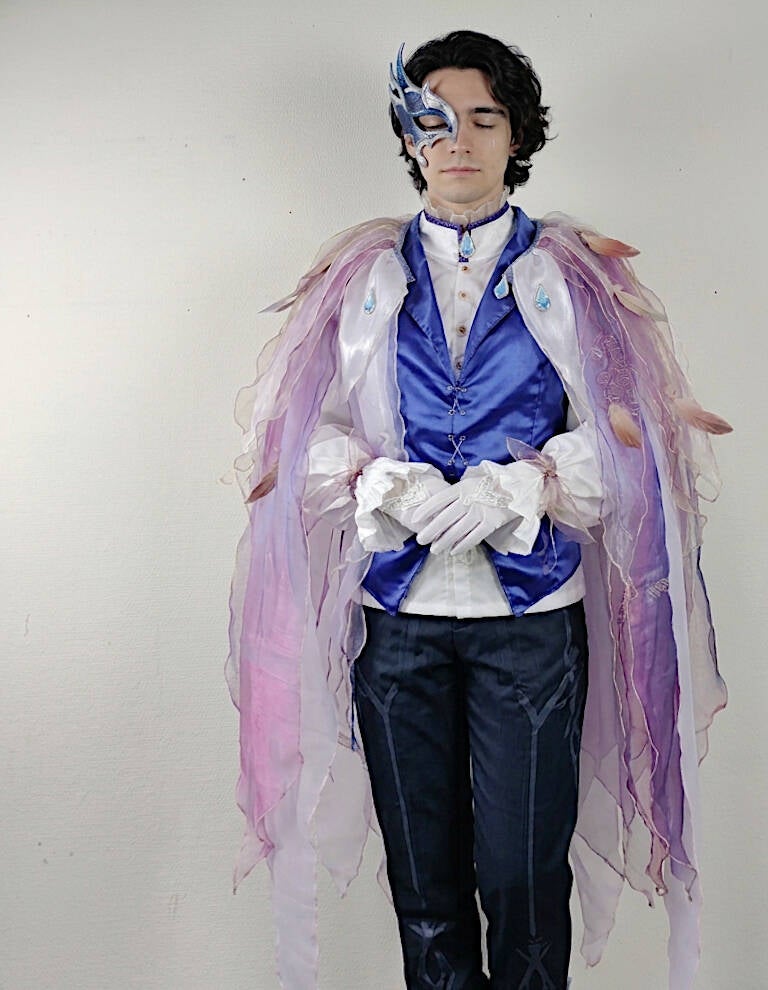
When AI Dreams Meet a Sewing Machine
A beautiful AI image, an impossible costume, and one costume maker who decided to give it a try. What could possibly go wrong?
Sometimes, a costume commission starts with a drawing. Sometimes, it starts with a film character. And sometimes, it starts with an AI image that makes you think:
Oh, that is beautiful!
Followed by:
Wait a minute. How on earth am I supposed to make that?
Welcome to the world of costume making!

A Beautiful Image… But Can It Be Made?
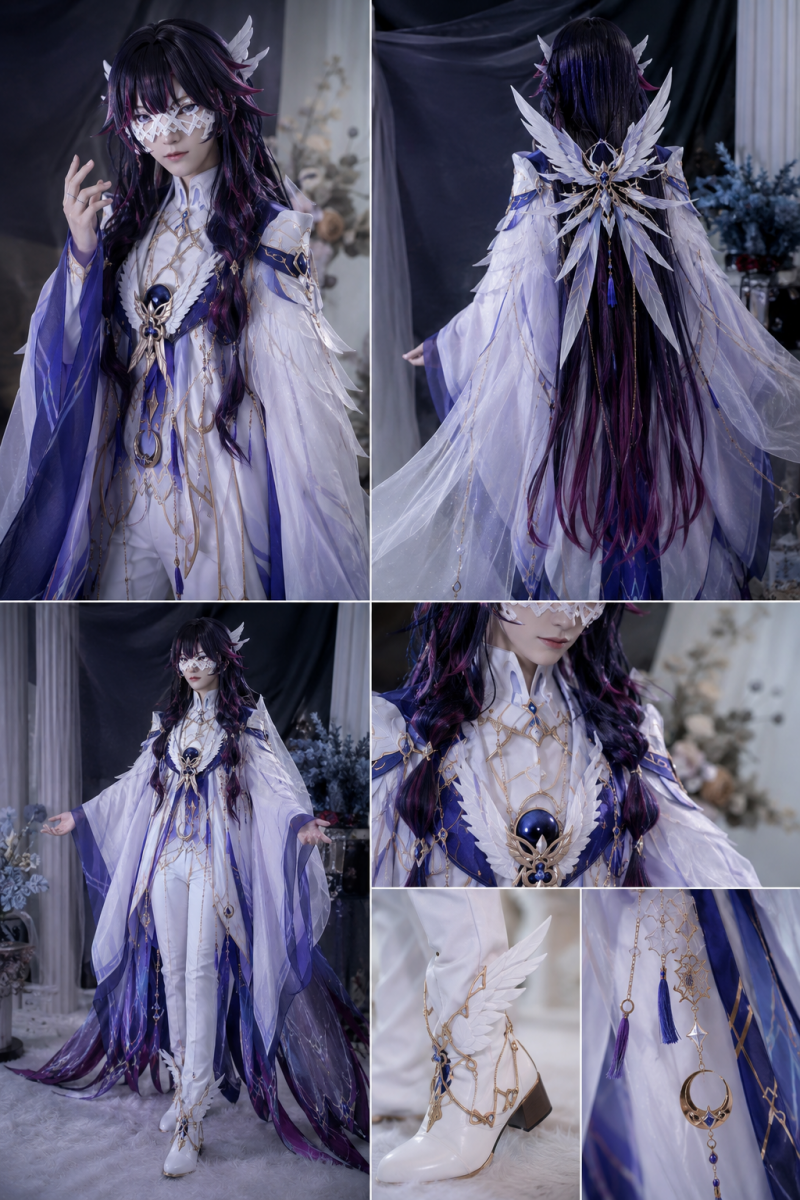
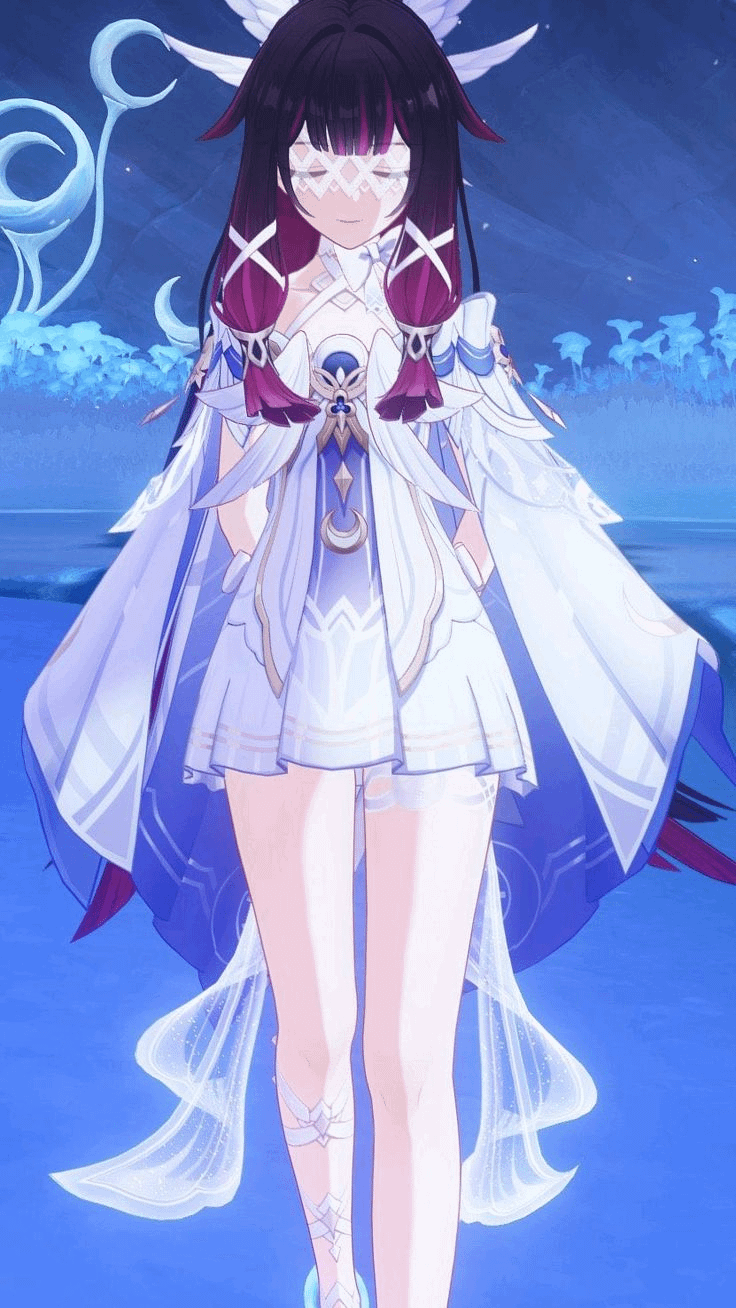
The story of Columbina started with an AI-generated image. My client asked me if I could turn this beautiful design into a real costume.
I looked at the image and admired it. The colours were wonderful, the cape looked magical, and the whole design had a lovely, flowing appearance.
Then I looked a little closer.
Where were the connections between the different pieces? How was the fabric supposed to behave like that? And, most importantly, what kind of material could possibly do all those things?
The answer was simple.
There was no answer.
The image was beautiful, but the costume simply could not be made exactly as shown. AI can create wonderful pictures, but it does not always understand fabric, gravity, seams, or the small detail that a garment needs to stay on the human body.
Unfortunately, my sewing machine has not yet learned how to turn pixels into silk.
So, it was time to do what costume makers have been doing for centuries: solve the problems, use our imagination, and make the design work in the real world.
In other words, it was time to downgrade!
Making the Impossible Possible
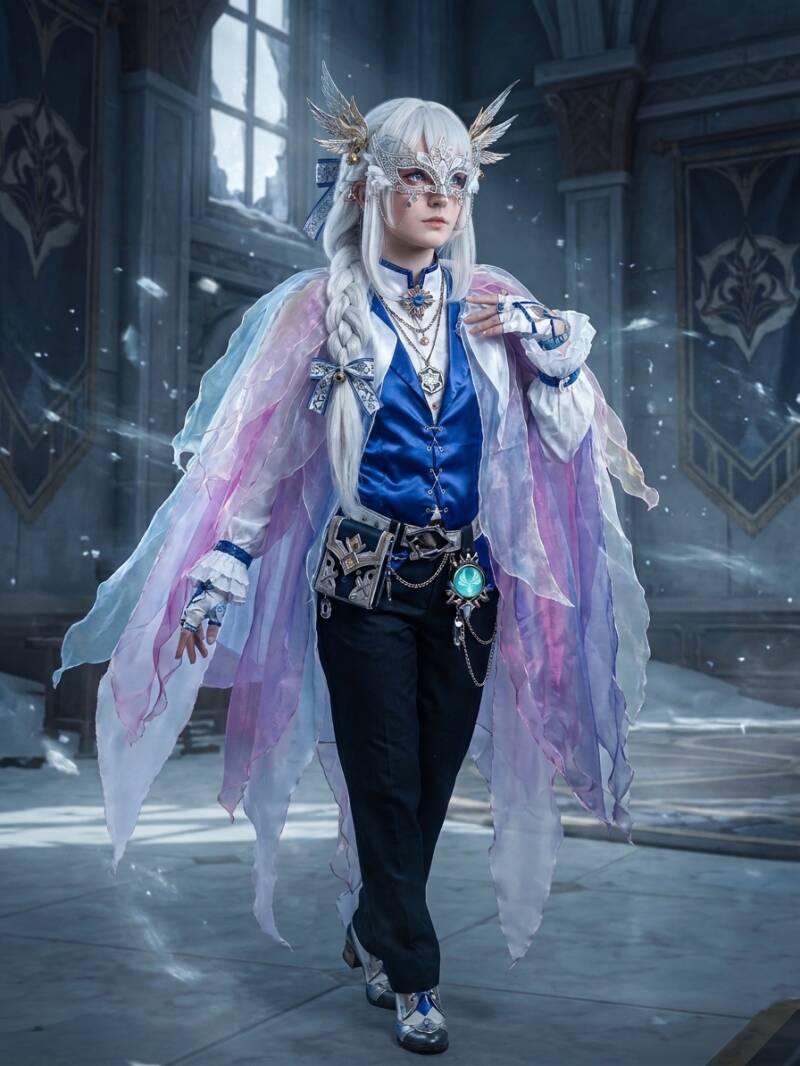
After studying the image, I proposed a more realistic version.
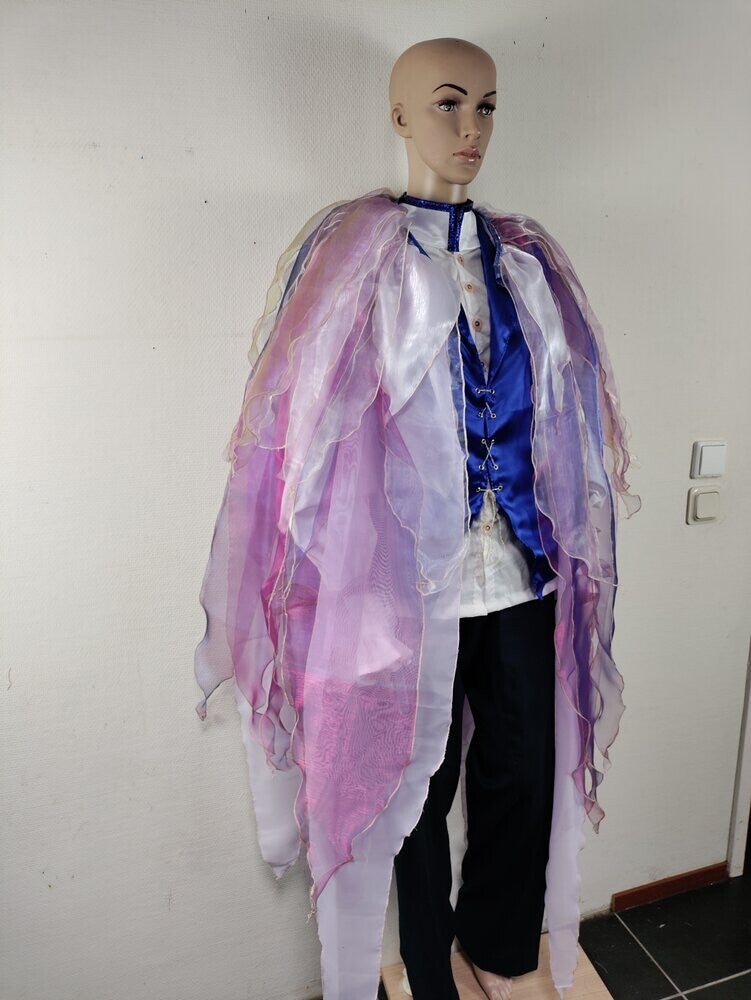
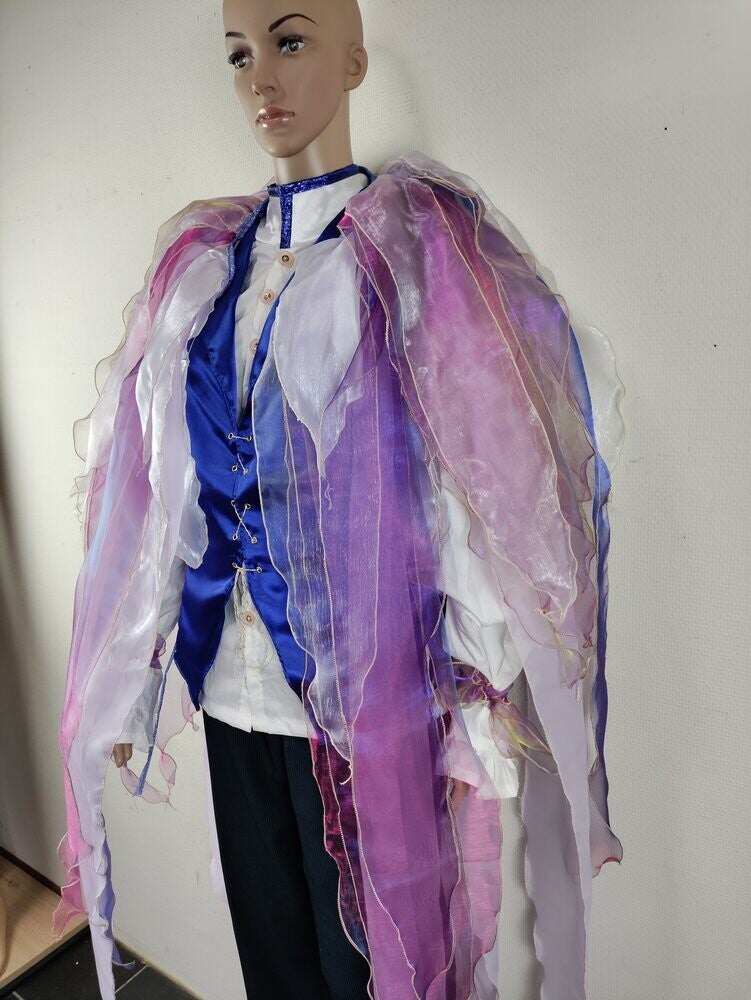
I would make the blouse, the fitted blue vest, and the flowing cape. The client could provide the black trousers, while the accessories would be ordered separately as another commission.
This would be the basic costume, ready for further development.
It sounded simple enough.
Well, almost.
Because one question kept coming back to me:
How do you make a cape look as light and flowing as it does in the original image?
The Magic Is in the Fabric
When you want a cape to move beautifully, your choice of fabric is essential.
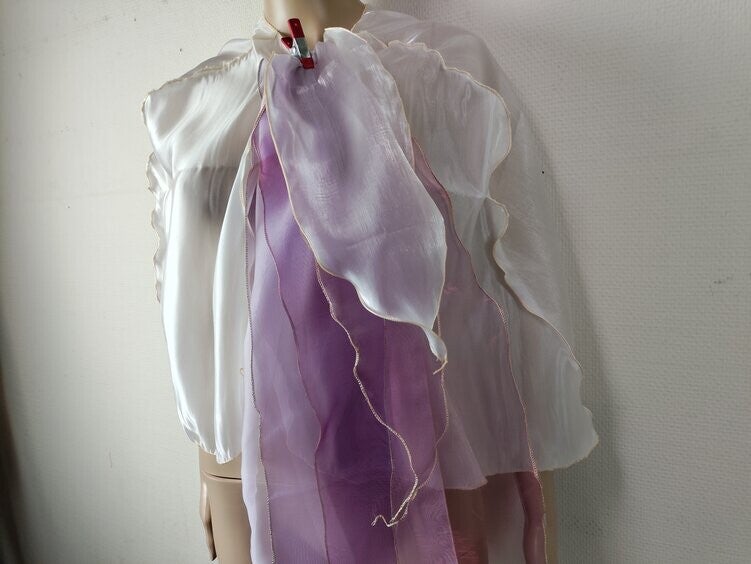
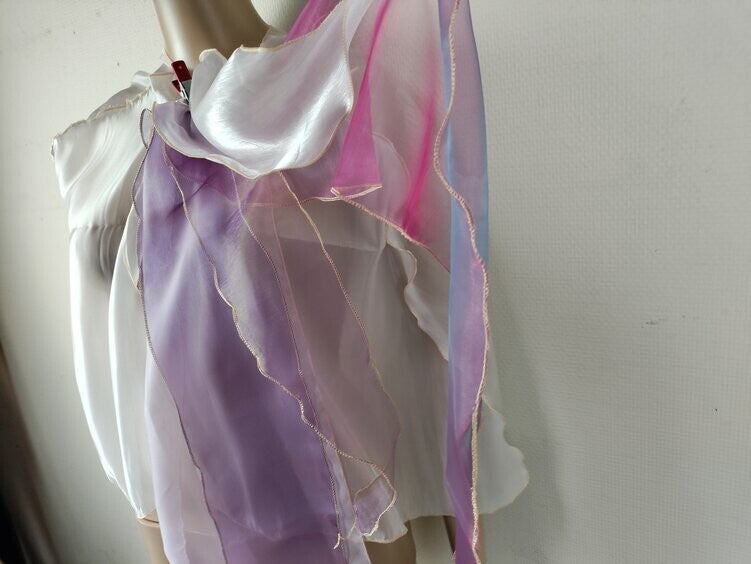
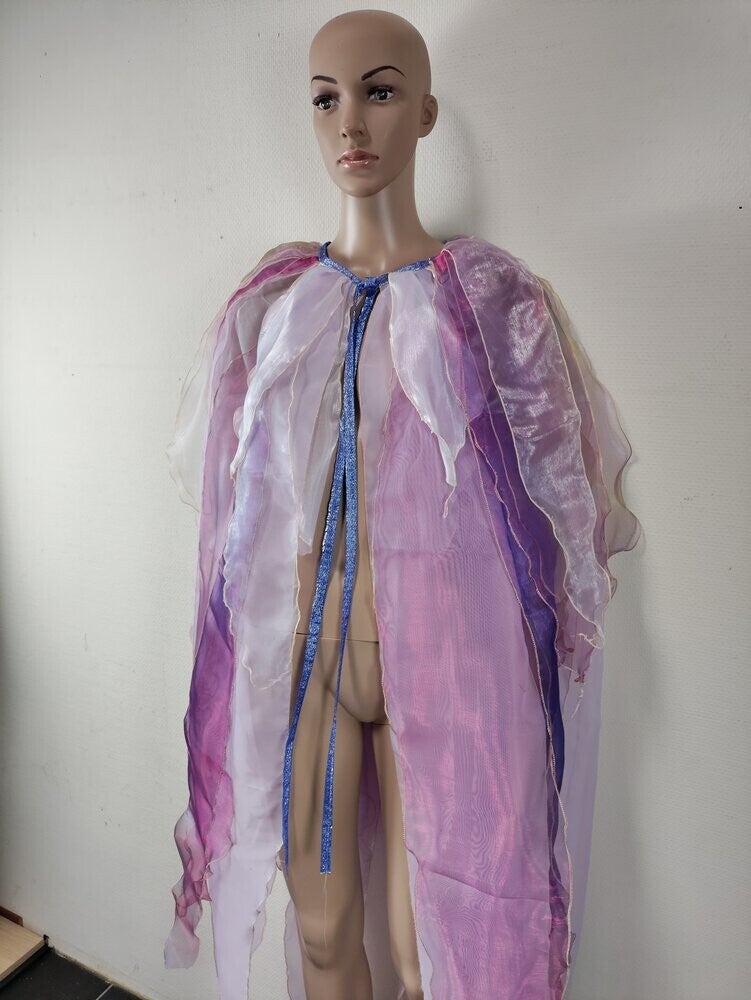
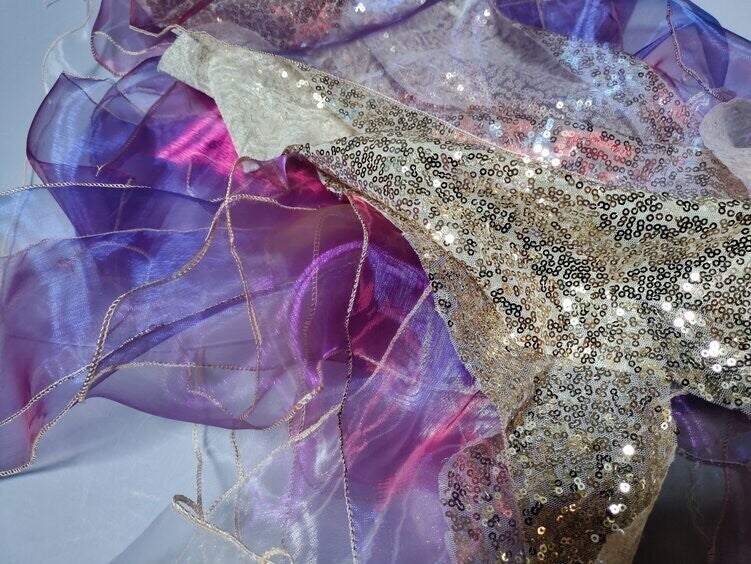
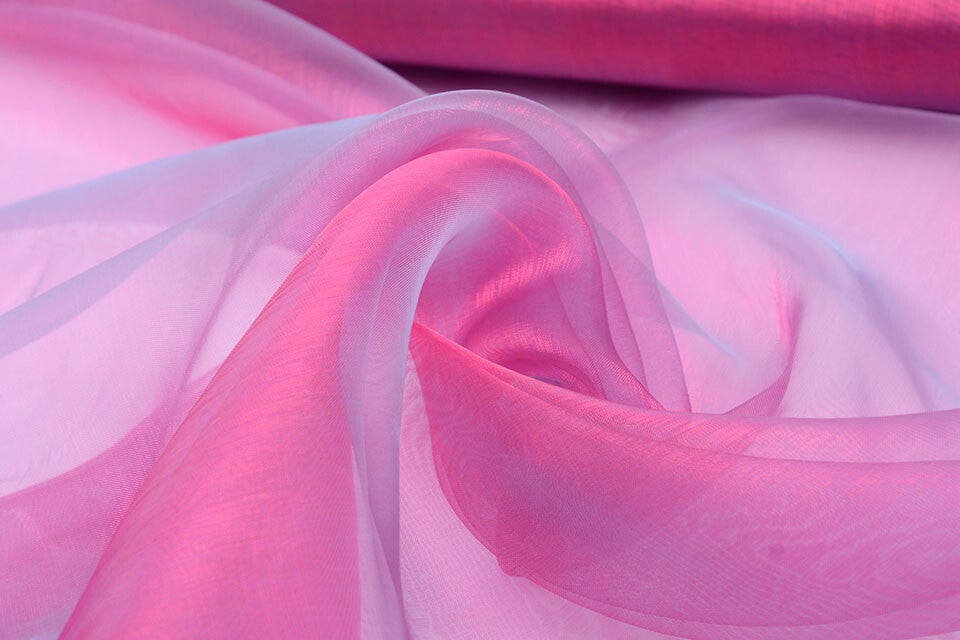
For this project, two-tone organza was a wonderful option. It has a delicate appearance, and its colours change with the light and the angle from which you look at it.
Imagine a cape that changes its appearance with every movement. One moment, you see one shade; the next, another colour catches the light.
Beautiful!
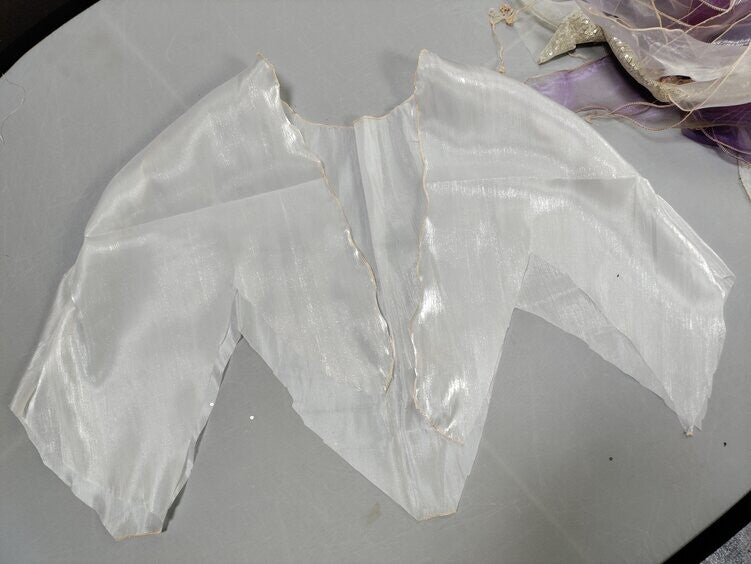
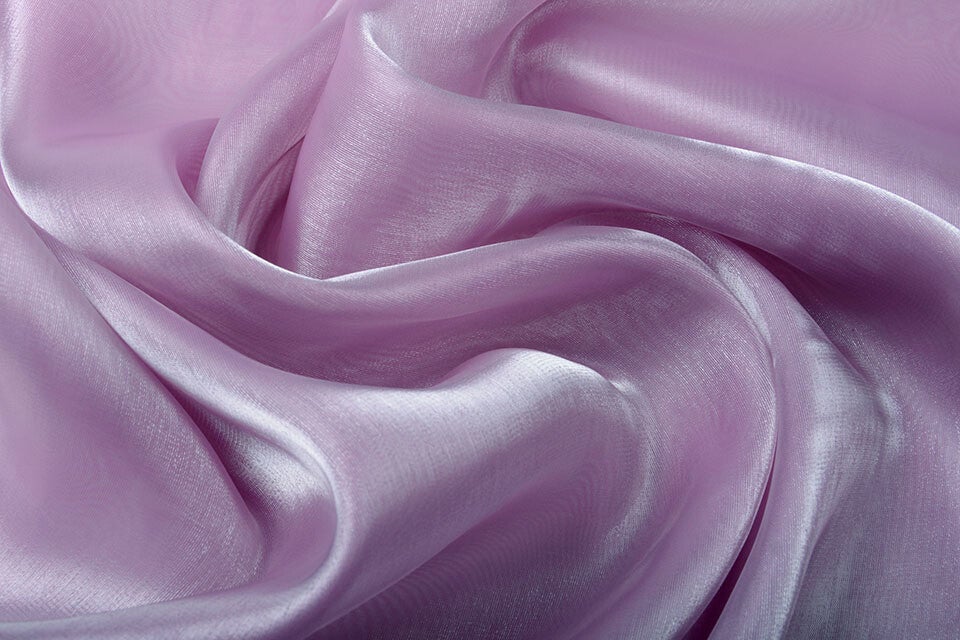
And then there was the Korean silk.
It has a lovely shine and was just right for the look I wanted. There was only one small problem.
It is a nightmare to sew!
Well, perhaps not a nightmare, but definitely the kind of fabric that keeps a costume maker alert. Slippery, delicate, and not always willing to do what you want.
Still, the result was worth the effort. The combination of the shiny Korean silk and the two-tone organza gave Columbina the colour, movement, and elegance I was looking for.
Now, all I had to do was make it.
The Golden Edge: Hours of Work and a Very Important Lesson
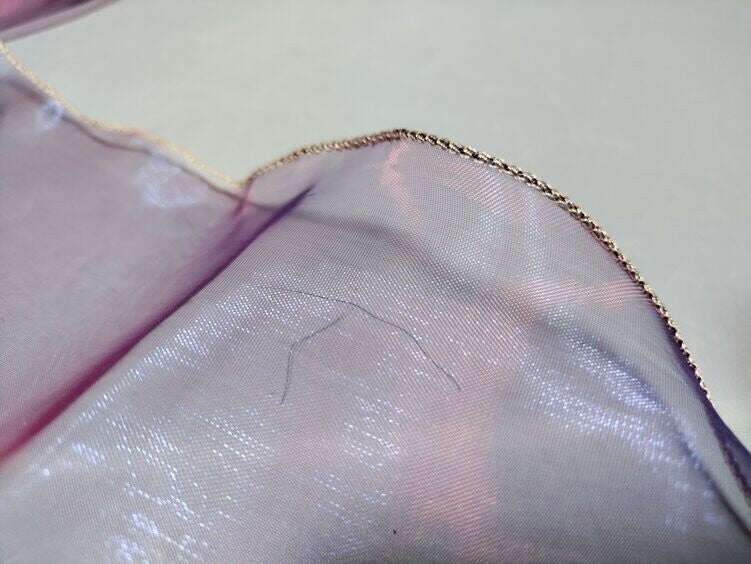
The cape needed a beautiful golden edge.
And that meant many hours of work.
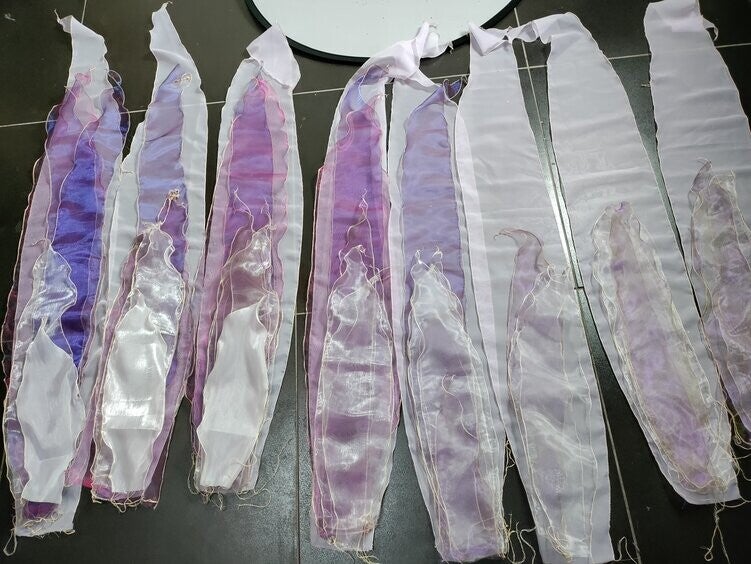
Every strip of organza had to be rolled and finished with gold-coloured thread. It sounds like a small detail, doesn't it?
It wasn't.
I quickly discovered that the correct settings on my overlocker were absolutely essential. The fabric had to be held properly, and every movement required attention.
This was definitely not a case of thinking, I'll just make a cup of coffee and let the machine do the work.
Oh no!
With this fabric, you do not walk away from your overlocker. You stay right there, keep your eyes open, and pay attention to every centimetre.
The golden edges took hours and hours of work.
A few days later, I began to look a little like Columbina myself. All those flowing organza strips made me feel as if I had grown wings!
Perhaps this is one of the lesser-known occupational hazards of being a costume maker. You start by making a costume, and before you know it, you become part of the design.
One Month Later: Meet the Real Columbina
After a month of work, the basic Columbina costume was finally ready.
The cape was finished, the blouse was made, and the bright blue vest fitted snugly and could be laced tightly.
The main pieces were there. The fabrics worked together, the colours came alive, and the cape had the movement I had hoped to achieve.
Was it exactly like the original AI image?
No.
But that was the whole point.
The original image was a starting point, not a sewing pattern. My job was to take the idea, understand what made it beautiful, and translate that into something that could actually be worn.
And I am very happy with the result.
Now the next chapter belongs to my client.
The accessories will come from another commission, and the black trousers are still to be supplied. It will be interesting to see how the complete costume develops.
What will Columbina look like when everything comes together?
I am very curious!
One Last Question at the Shipping Hub…
There is one more little detail I have to share.
When I took the parcel to the shipping hub, the employee looked at the box and asked me:
"Is there actually anything inside?"
I assured him that there was.
"Yes," I said, "something very lightweight!"
And honestly, I can understand his question. With all that flowing organza, the cape weighs surprisingly little.
I have a feeling that the box is now flying its way to the client.
Perhaps Columbina has already put on her cape!
And who knows? Maybe the original AI image was right about one thing after all.
Columbina was always meant to fly.
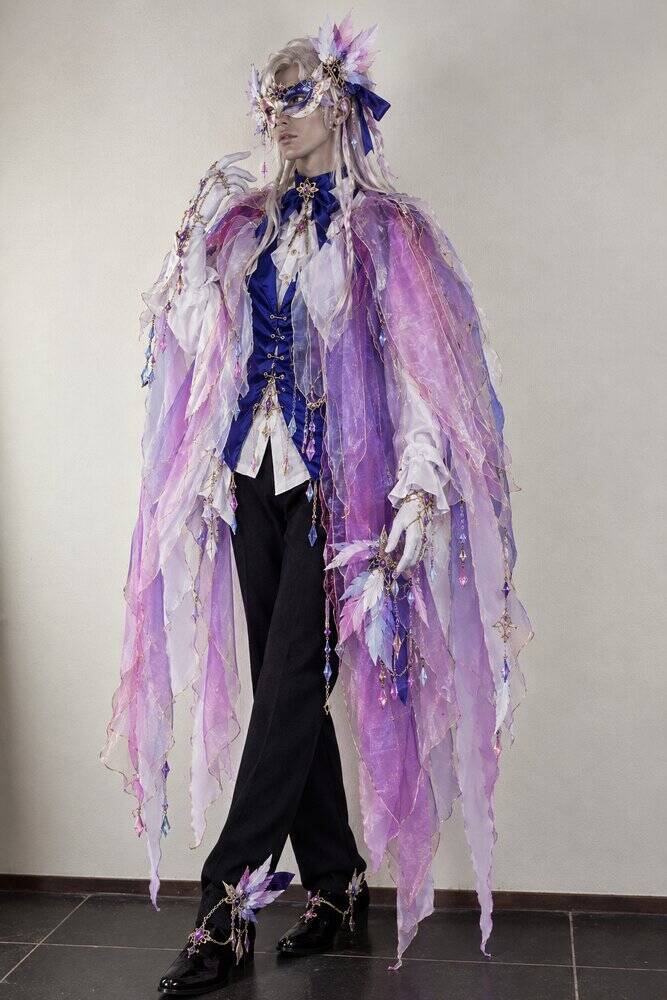
Behind every beautiful costume is a story. Sometimes, it involves silk, golden thread, hours of careful sewing, and a costume maker who ends up looking like a bird with very expensive wings.
And sometimes, it all starts with an AI image that forgets one tiny detail: someone actually has to make the thing!

Add comment
Comments