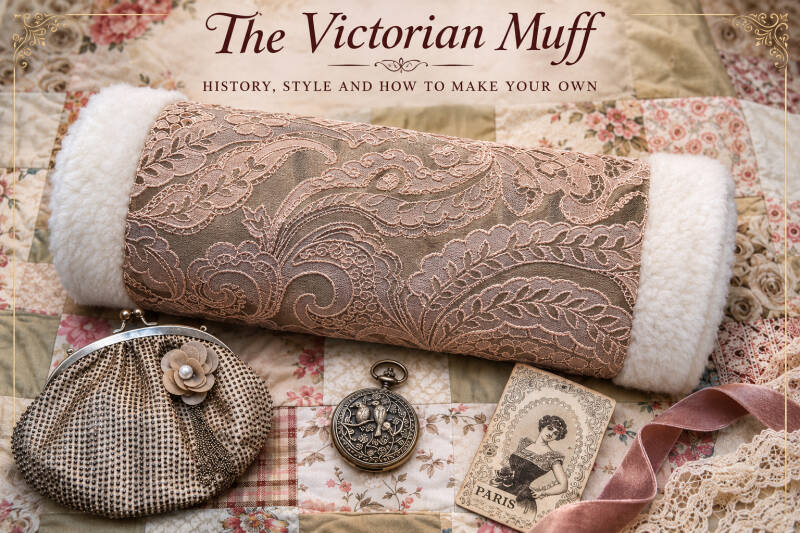
The Victorian Muff: A Touch of Warmth and Elegance
During the Victorian era (1837–1901), fashion was about more than clothing. Accessories played an important role in creating an elegant appearance and expressing personal style.
One particularly charming accessory was the Victorian muff. This soft, cylindrical hand warmer was both practical and decorative. It kept the hands warm on cold days while adding a touch of elegance to a lady's outfit.
Today, the muff remains a beautiful example of historical fashion and traditional craftsmanship.
The History of the Muff
The muff has a long history, dating back several centuries. It became especially fashionable in European dress during the 17th and 18th centuries and remained a popular winter accessory throughout much of the Victorian period.
During the 19th century, fashion placed great importance on details and accessories. A well-dressed lady would carefully choose her gloves, bonnet, handbag and other accessories to complement her dress.
The muff was often seen as a luxurious fashion item, particularly when made from expensive fabrics and fine fur. Wealthier women could own several different muffs to match their winter outfits.
It was not simply a practical item. It was also a small statement of elegance and refinement.
Materials and Craftsmanship
Victorian muffs were made from many different materials.
Fur was particularly popular because of its warmth and soft texture. Fox, sable and ermine were among the luxurious choices used for fashionable examples.
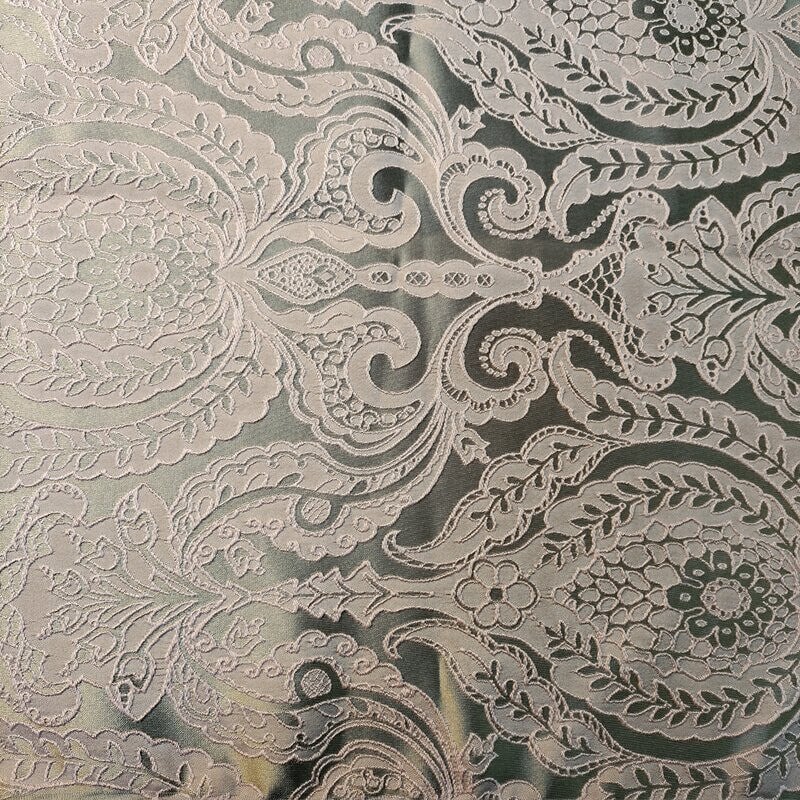
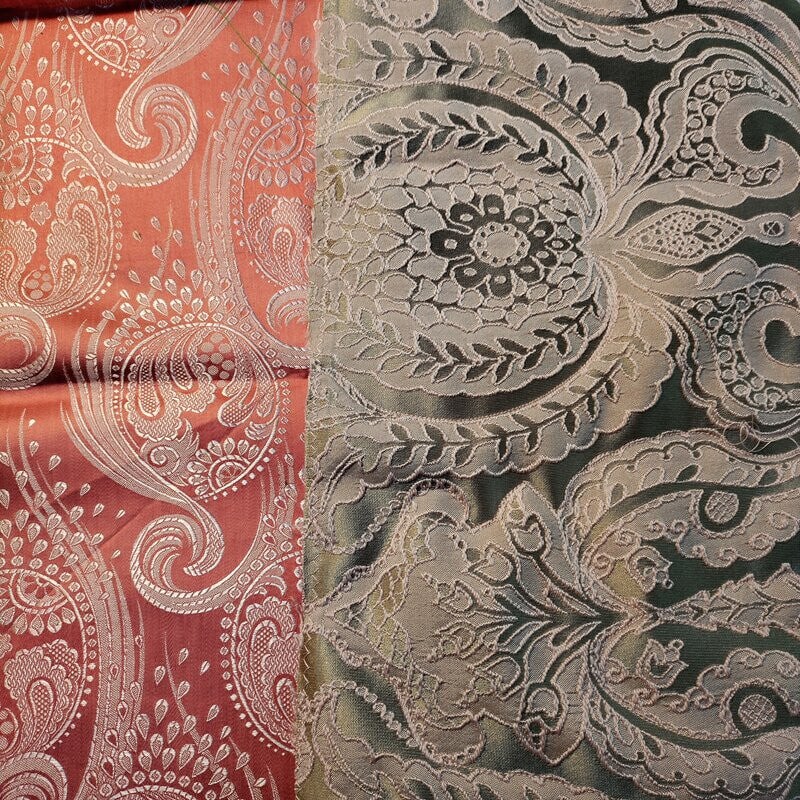
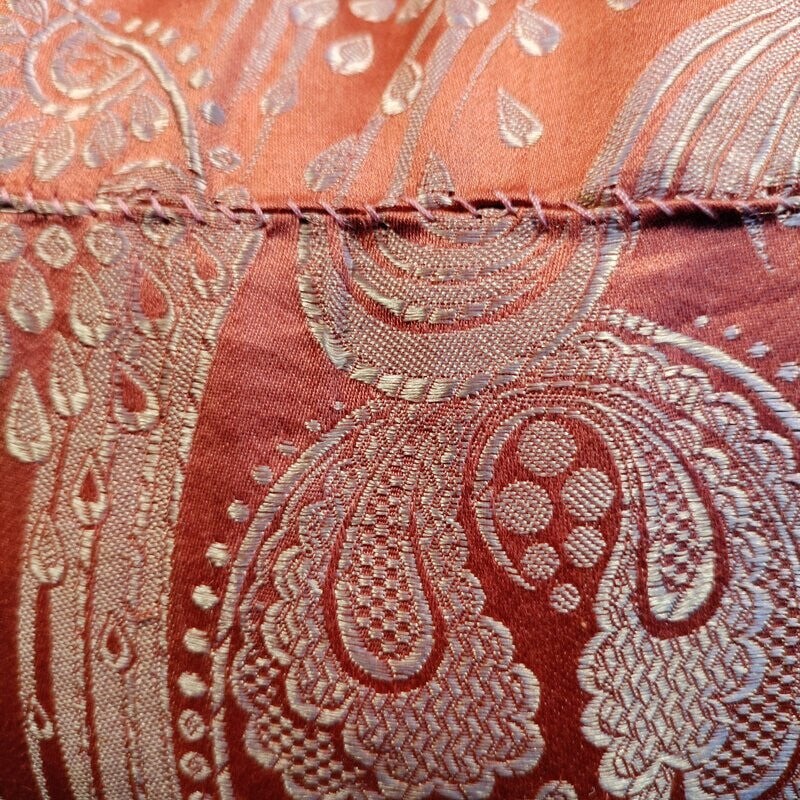
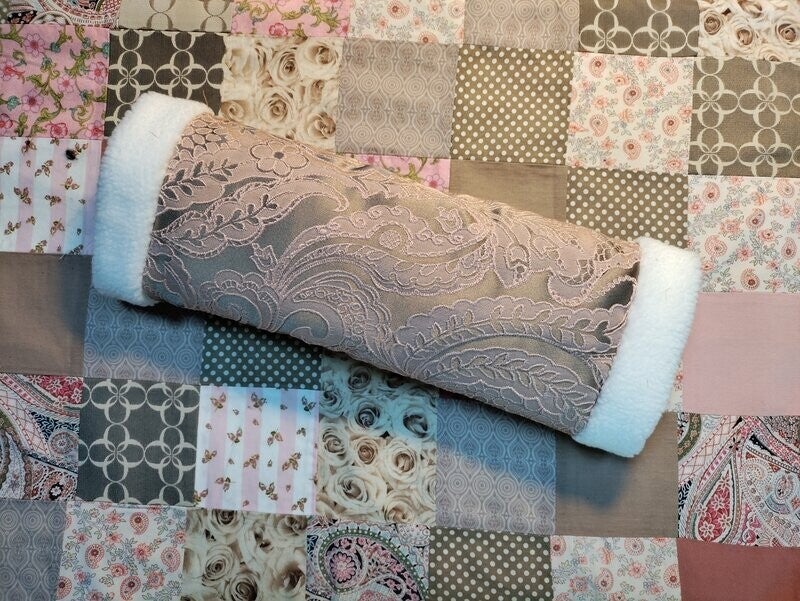
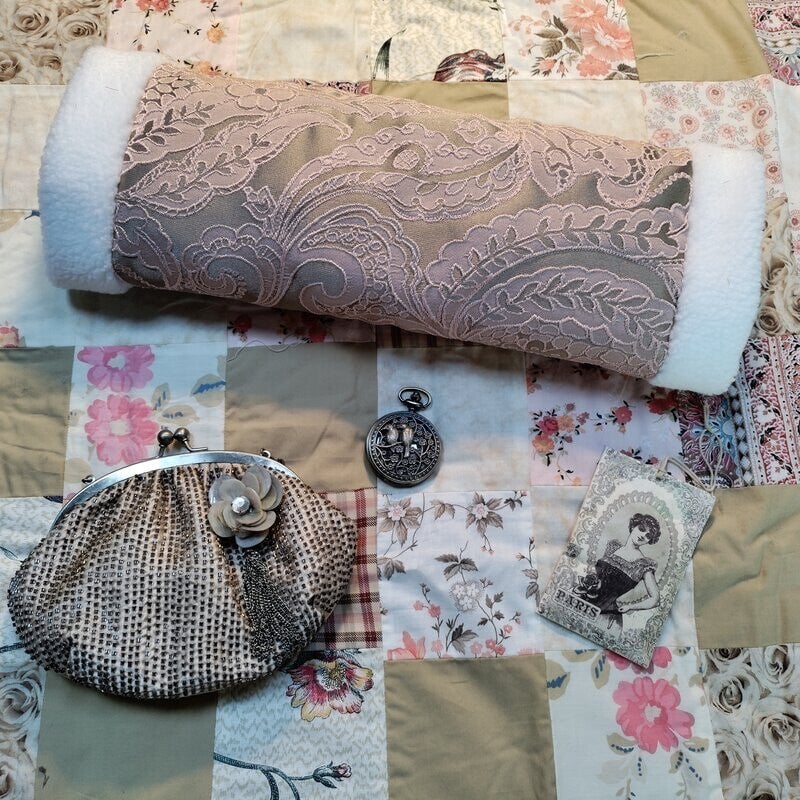
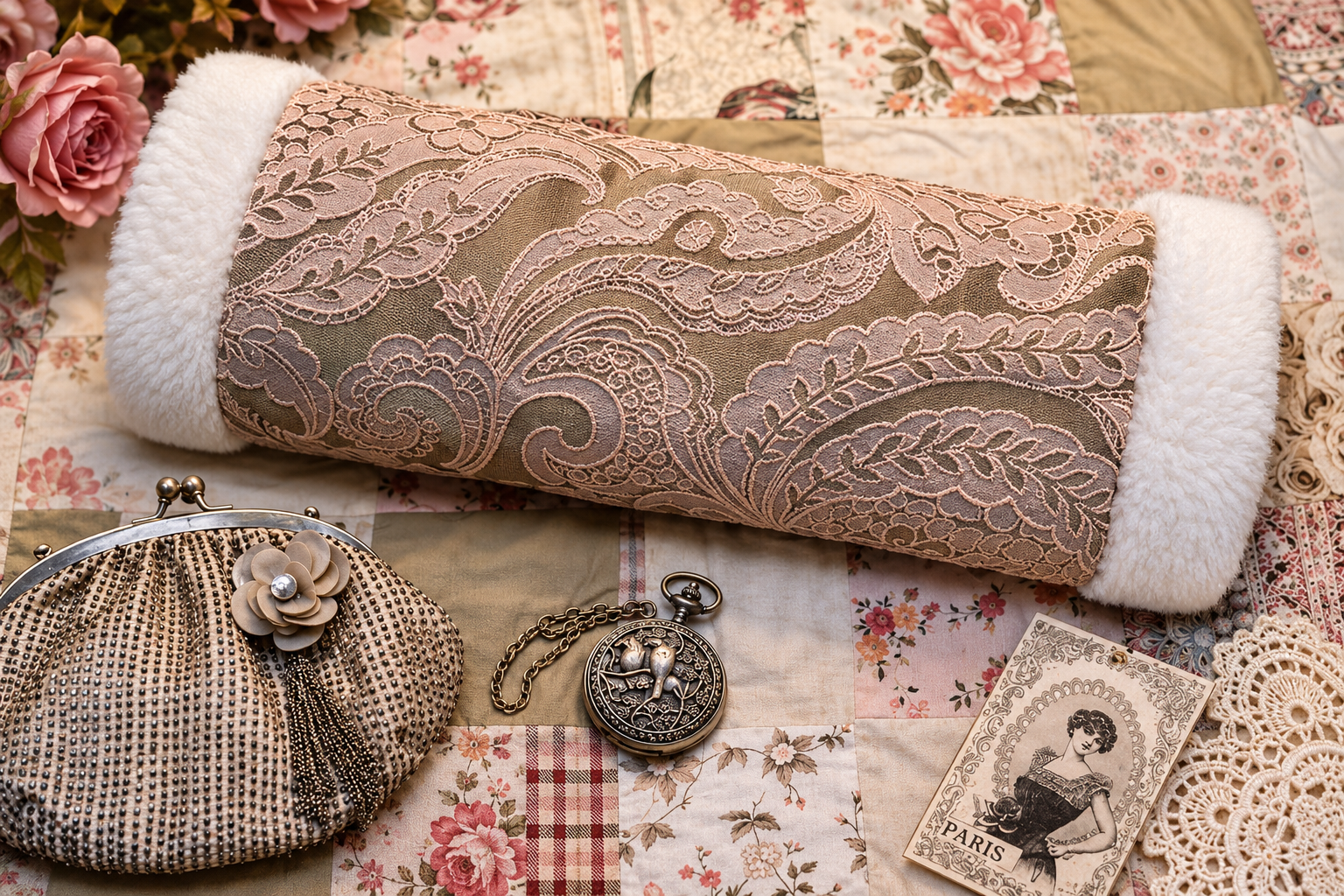
However, fabric muffs were also beautiful in their own right. Silk, velvet, brocade, satin and embroidered fabrics were often used to create decorative designs.
Some muffs featured:
-
Richly embroidered fabrics.
-
Lace and decorative ribbons.
-
Beads, pearls and small ornaments.
-
Soft fur linings and trims.
-
Beautiful silk and brocade coverings.
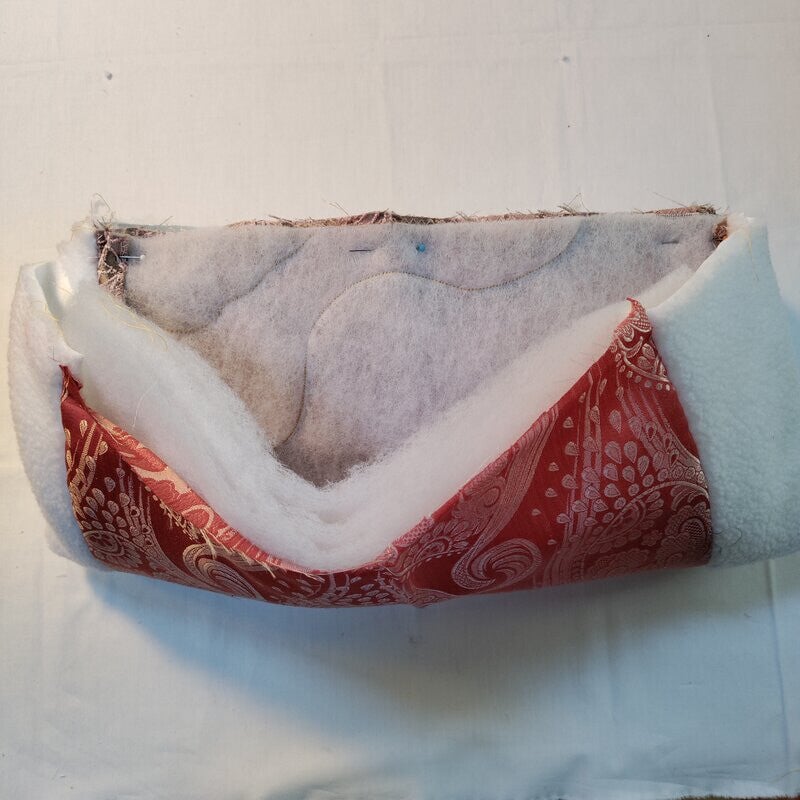
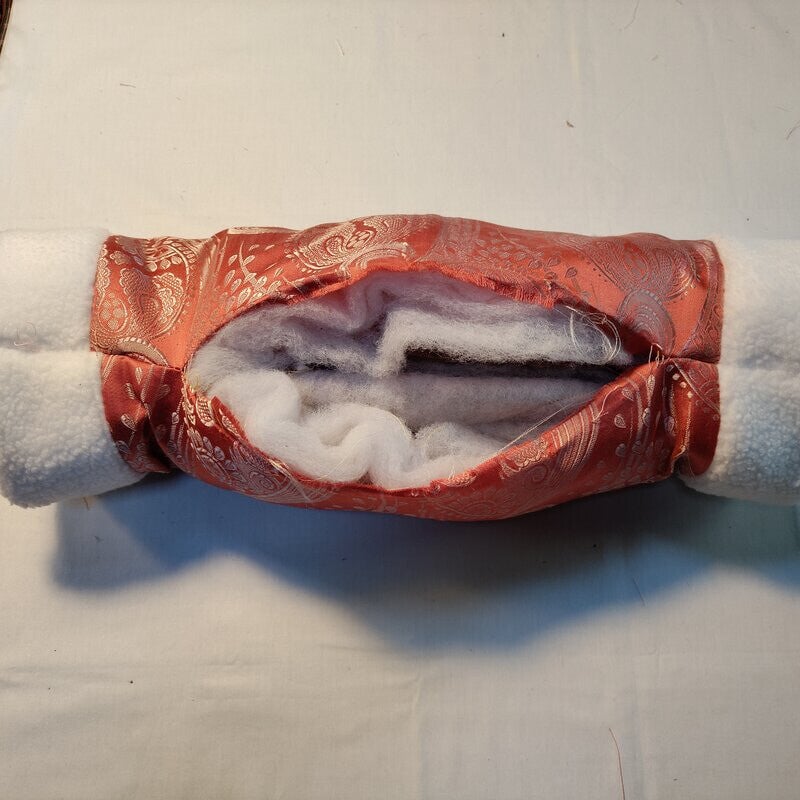
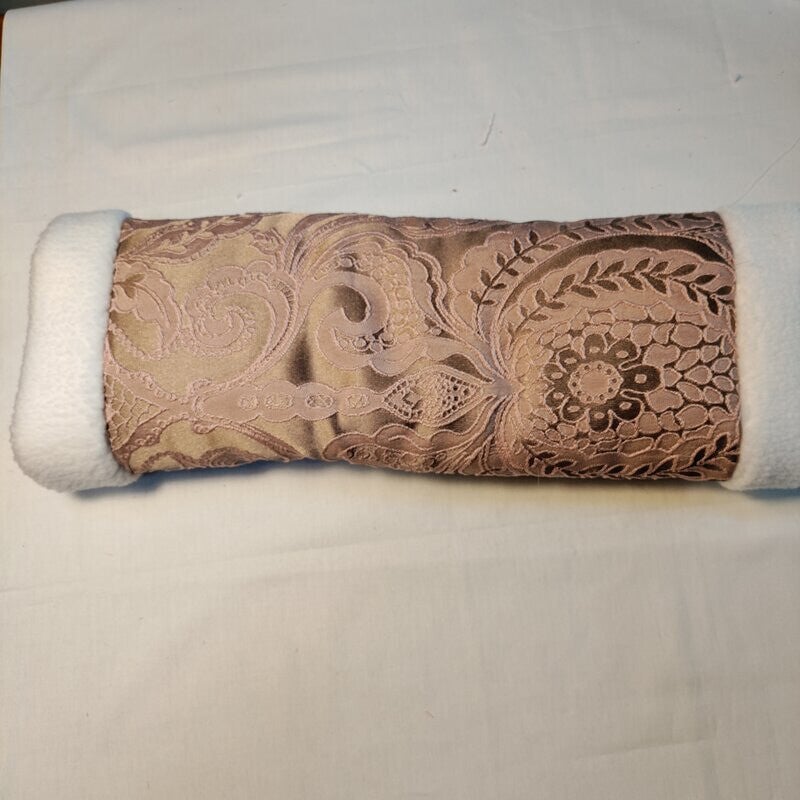
The shape was usually a padded cylinder, with an opening at each end. The hands could easily slide inside, keeping them warm and protected from the cold.
The quality of the materials and the careful finishing made each muff a special accessory.
How Was a Victorian Muff Worn?
A muff was generally worn during the colder months, especially when going outdoors.
Ladies would slip both hands into the soft opening while walking, travelling by carriage or attending winter gatherings.
Muffs were often combined with long coats, cloaks, capes and elegant winter dresses.
They could also be decorated with ribbons or small accessories. Some designs included a cord or ribbon that allowed the muff to hang around the neck when it was not being used.
Just like a handbag or a pair of gloves, a muff could be chosen to complement the rest of an outfit.
The Victorian Muff Today
Although the Victorian era is long gone, the muff has never completely disappeared from fashion.
Today, it is still a wonderful accessory for historical costumes, theatre productions, reenactment, photography and creative sewing projects.
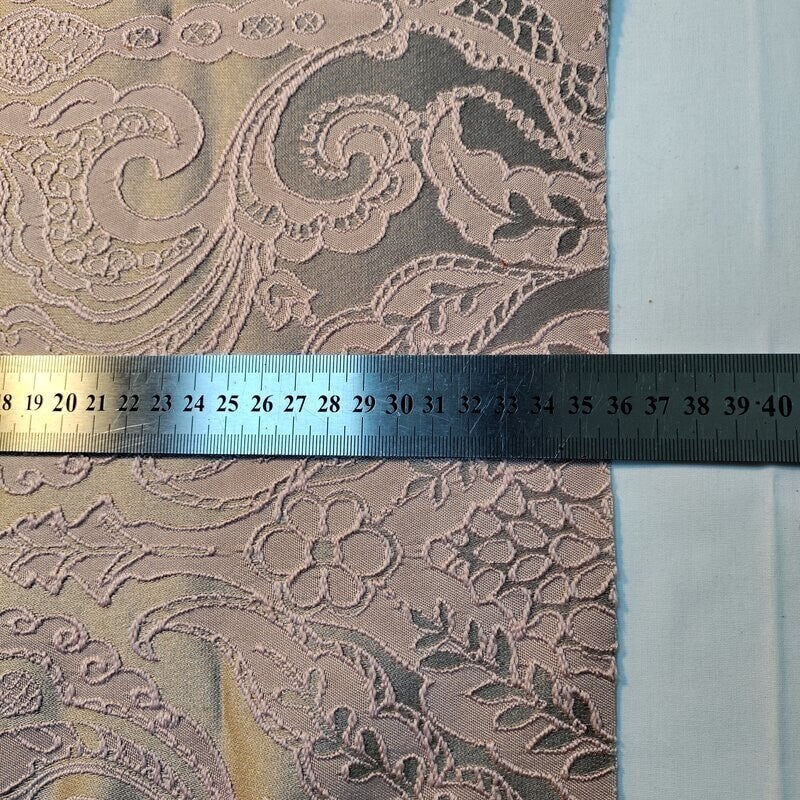
Modern versions can be made using many different materials, including velvet, brocade, faux fur, wool and decorative jacquard fabrics.
For those who enjoy historical costume making, a muff is also a lovely opportunity to experiment with textures, embroidery and traditional sewing techniques.
There is no need to use genuine fur to create a luxurious appearance. Beautiful faux fur and carefully selected fabrics can produce an equally elegant result.
A Little Piece of Fashion History
What makes the Victorian muff so special is its combination of beauty and practicality.
It reminds us of a time when even the smallest accessories received careful attention. Fabrics, colours, embroidery and finishing details all contributed to the elegance of an outfit.
At Historique Couture, I particularly appreciate these smaller details of historical fashion. They are a wonderful source of inspiration for anyone interested in sewing, textile art and historical costume making.
Sometimes, it is the smallest accessory that completes the entire look.
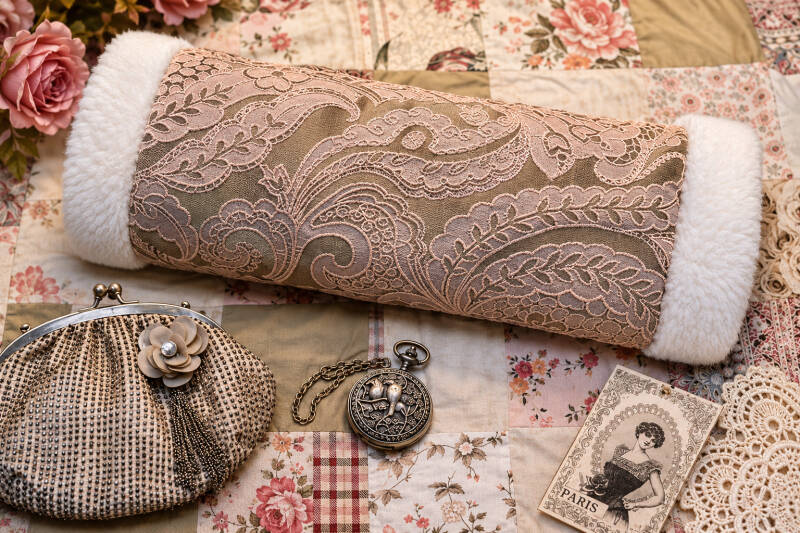
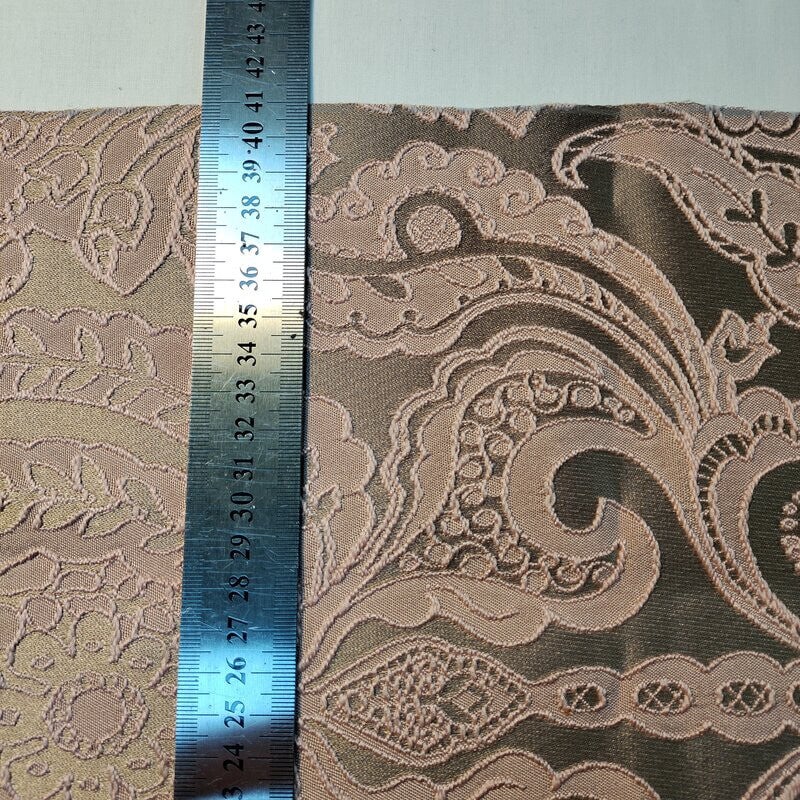
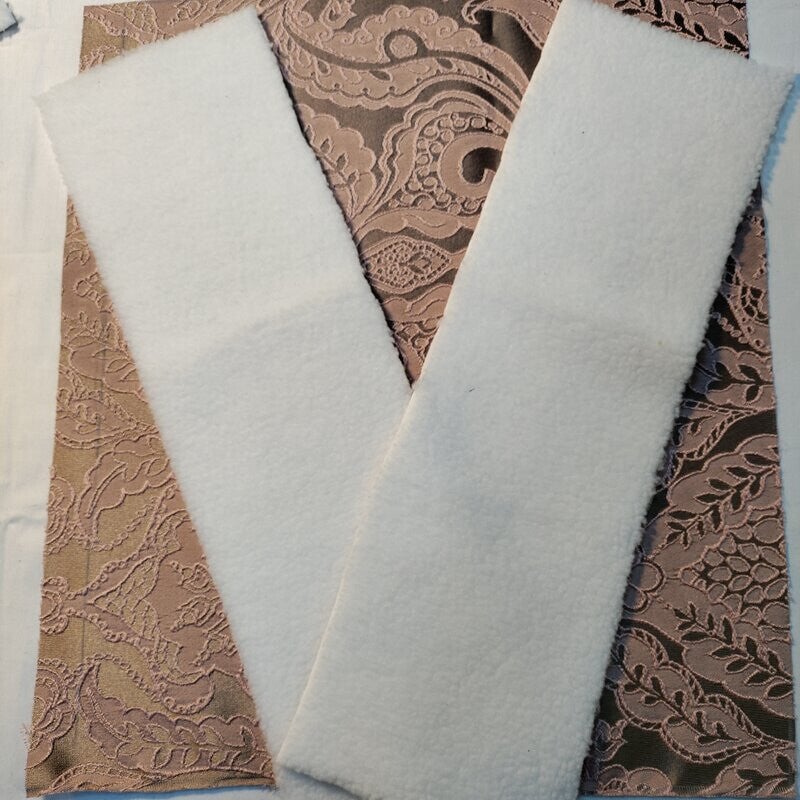
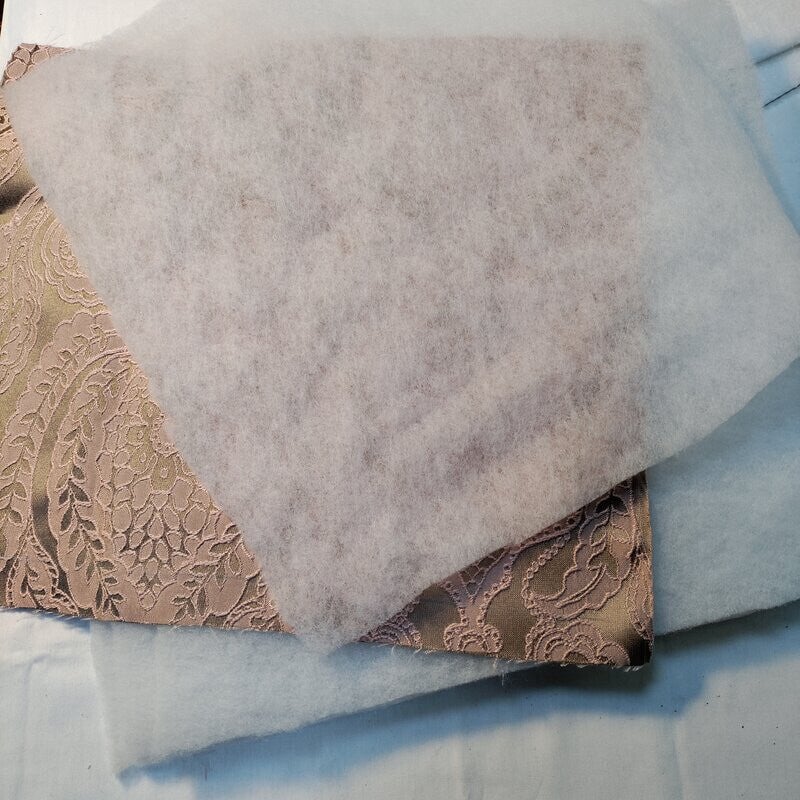
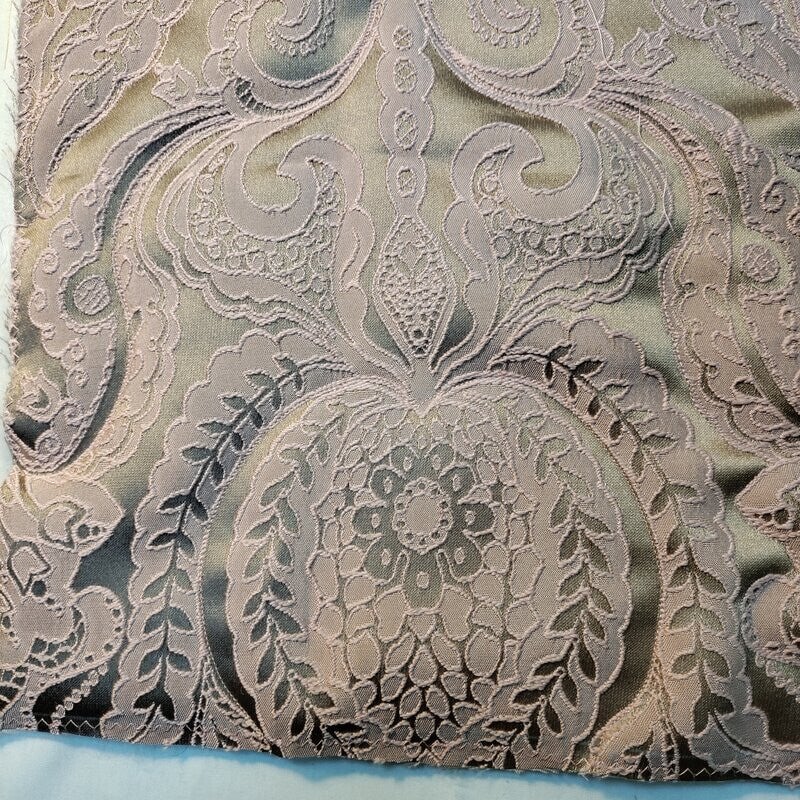
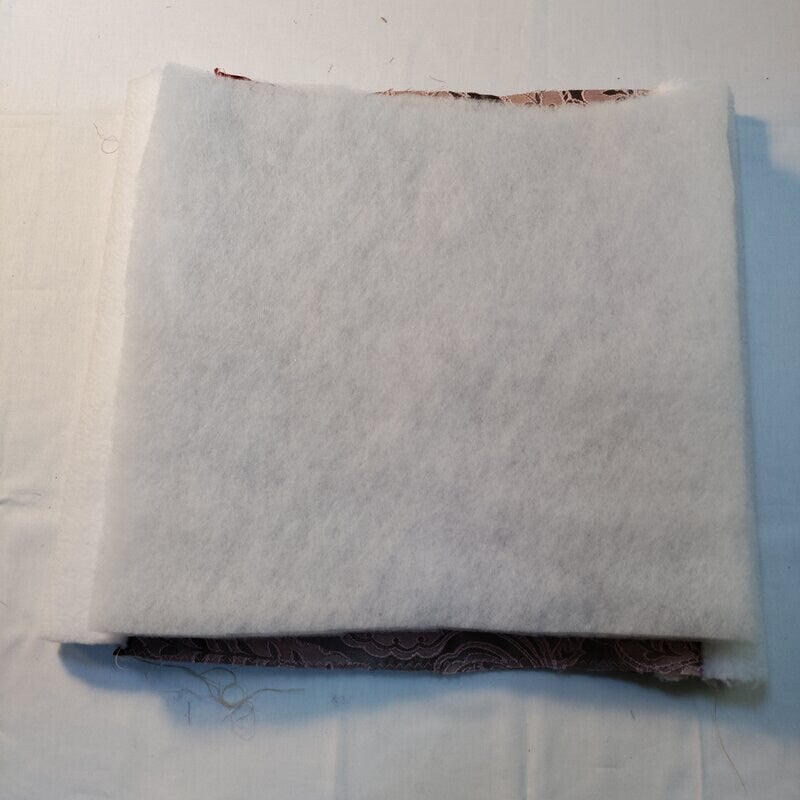
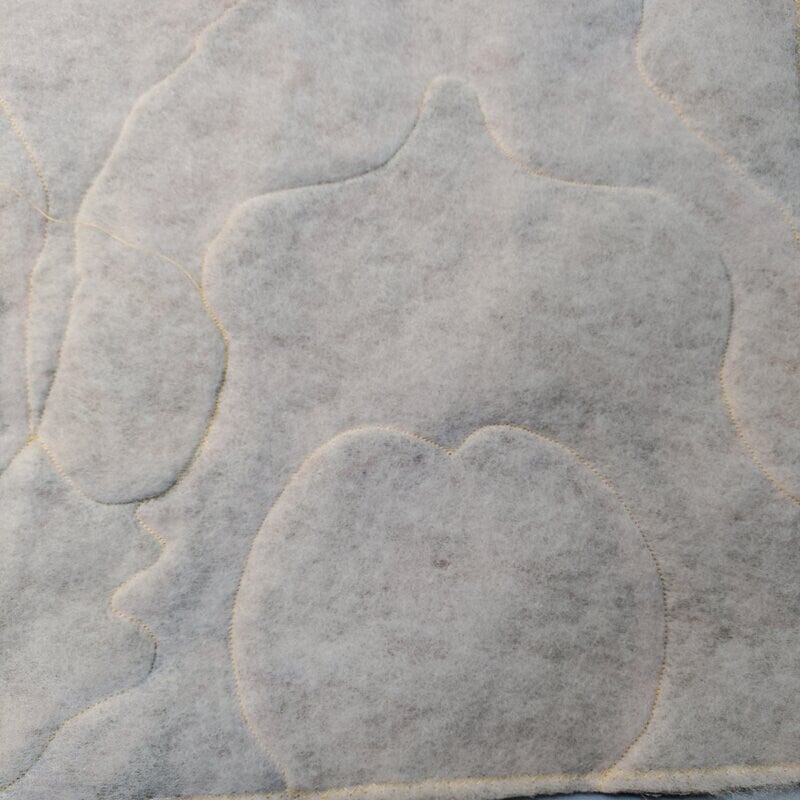
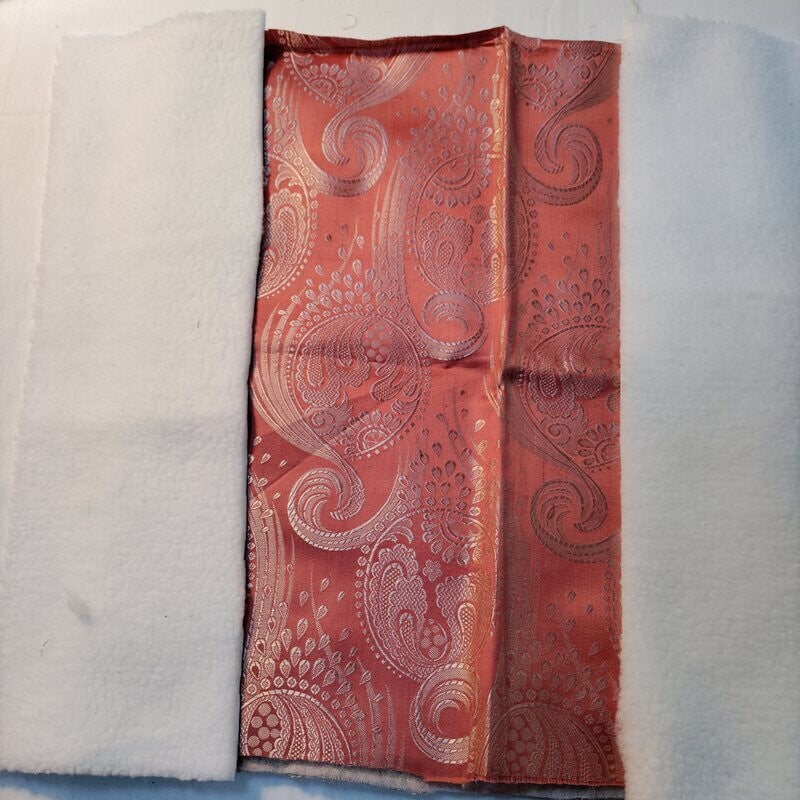
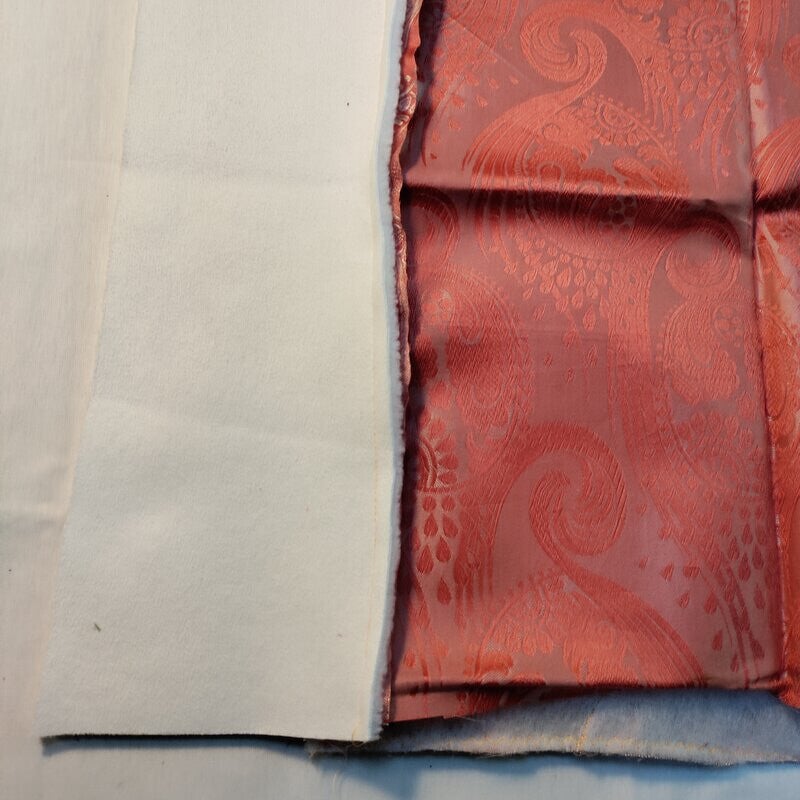
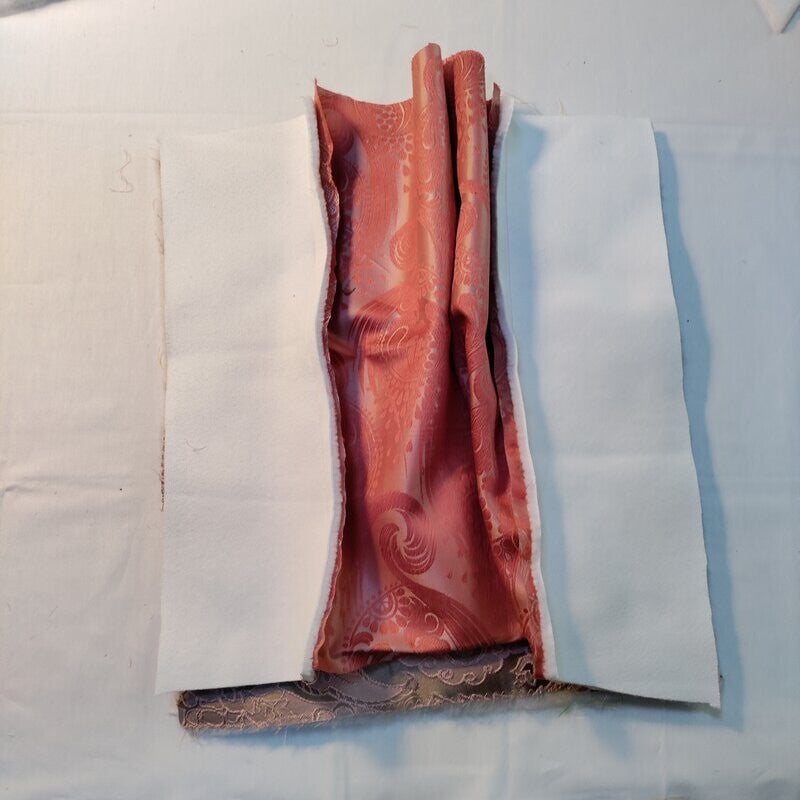
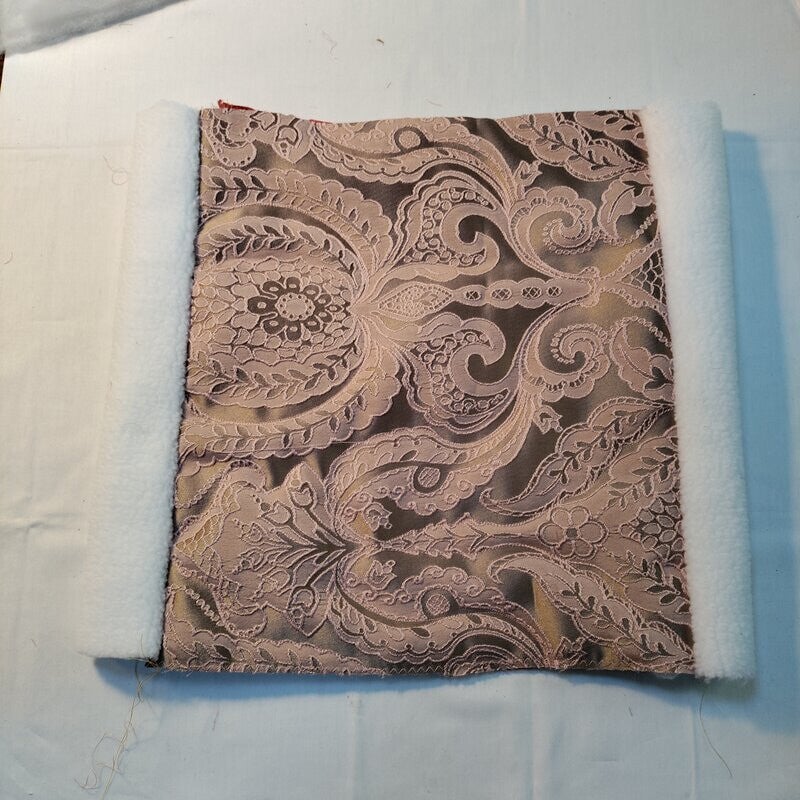
Photo-tutorial:
Add comment
Comments