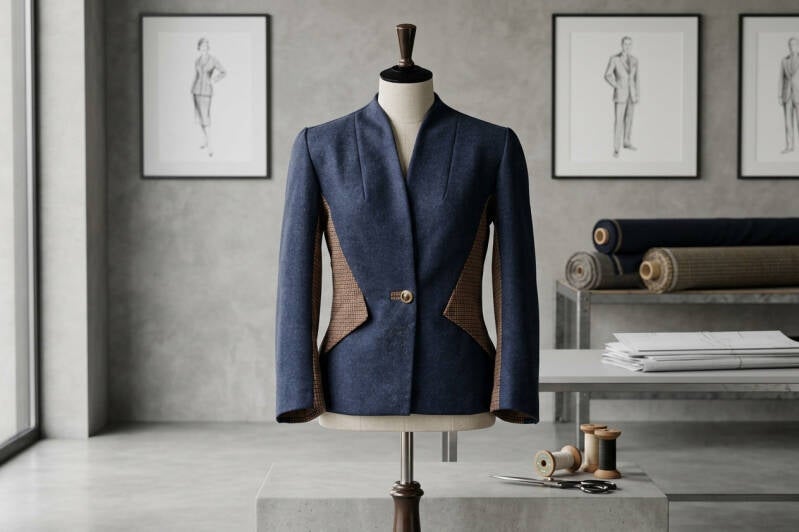
Vogue V1751 – The Sewing Pattern That Taught Me Couture
Some sewing patterns make you a garment.
Others make you a better seamstress.
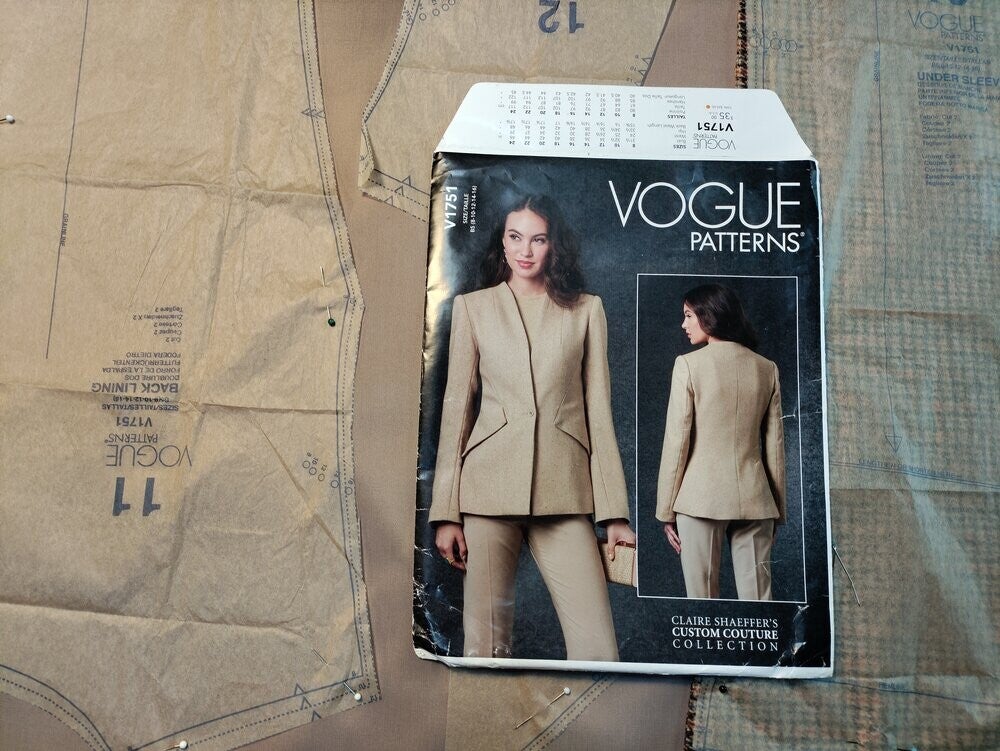
For me, Vogue V1751, designed by couture expert Claire Shaeffer, belongs firmly in the second category. This isn't simply a jacket pattern—it's an intensive couture workshop disguised as a sewing project.
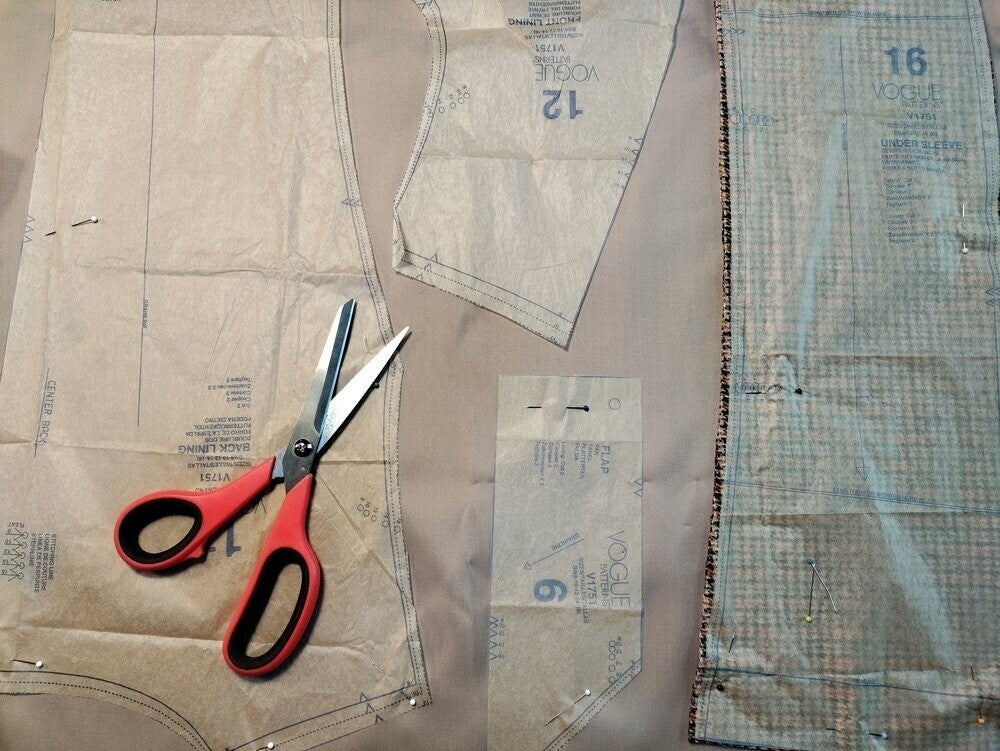
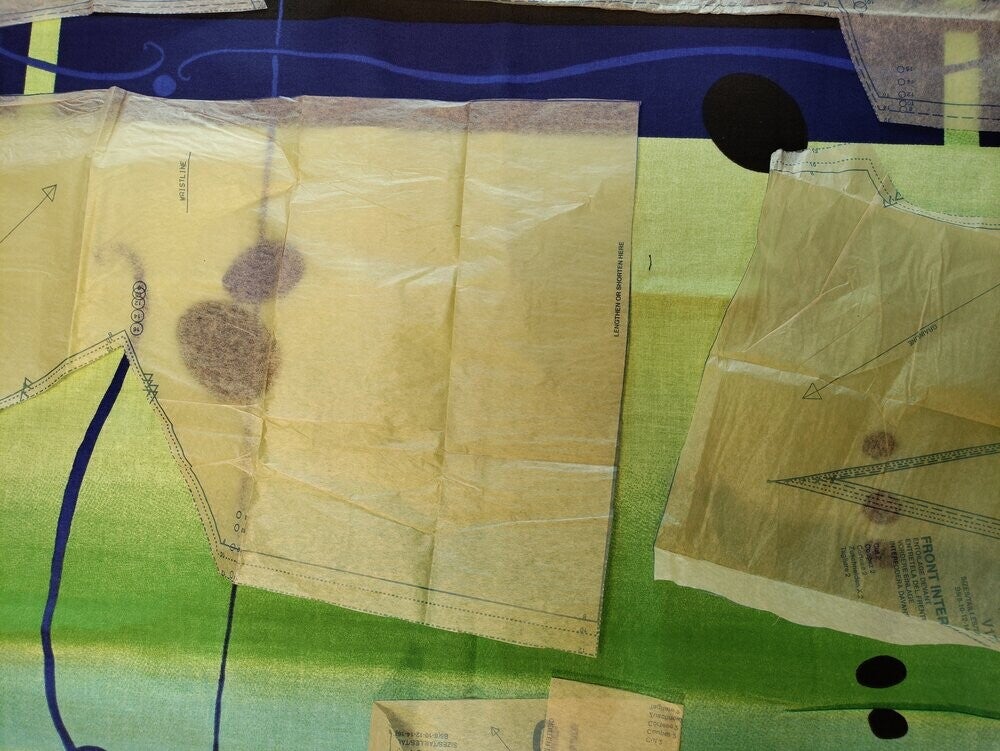
With more than ninety detailed construction steps, every stage of the process teaches you something new. Instead of rushing towards a finished jacket, I found myself slowing down, learning traditional tailoring techniques, and appreciating the craftsmanship hidden inside high-end couture garments.
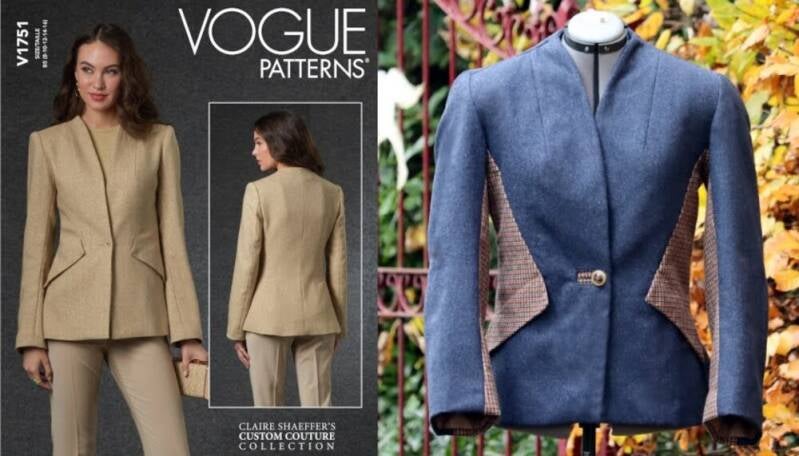
A Real Couture Workshop
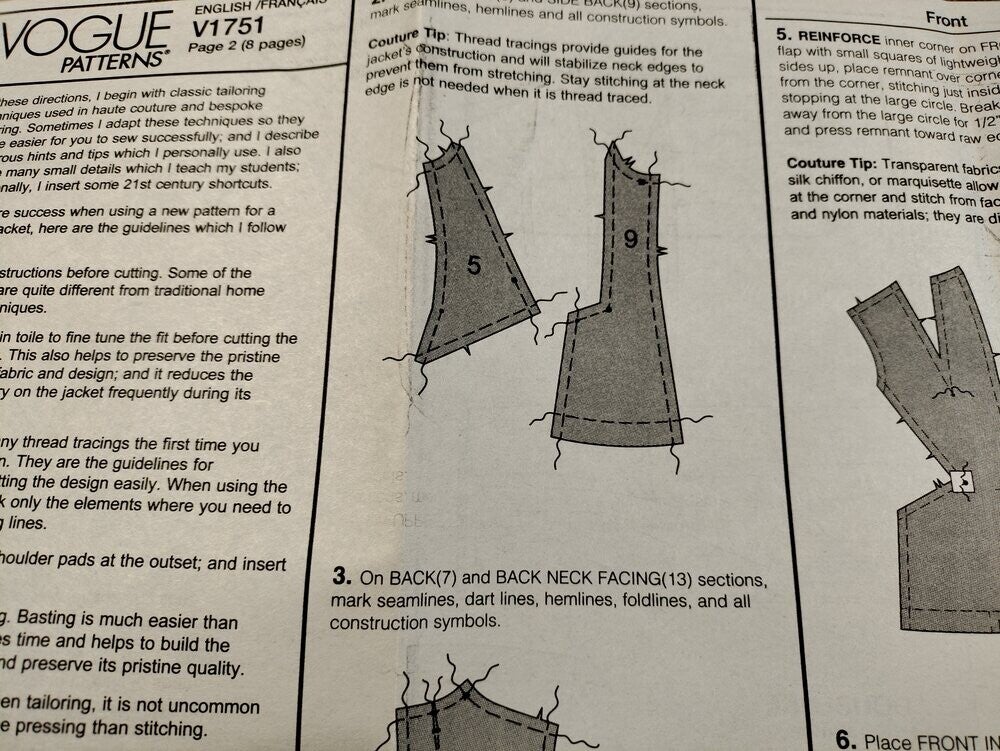
One of the things I admire most about Claire Shaeffer's patterns is how carefully everything is explained. Every step has a purpose. Every piece of interfacing, every hand stitch and every pressing step contributes to the final result.
This isn't fast fashion sewing.
It is slow sewing in the very best sense of the word.
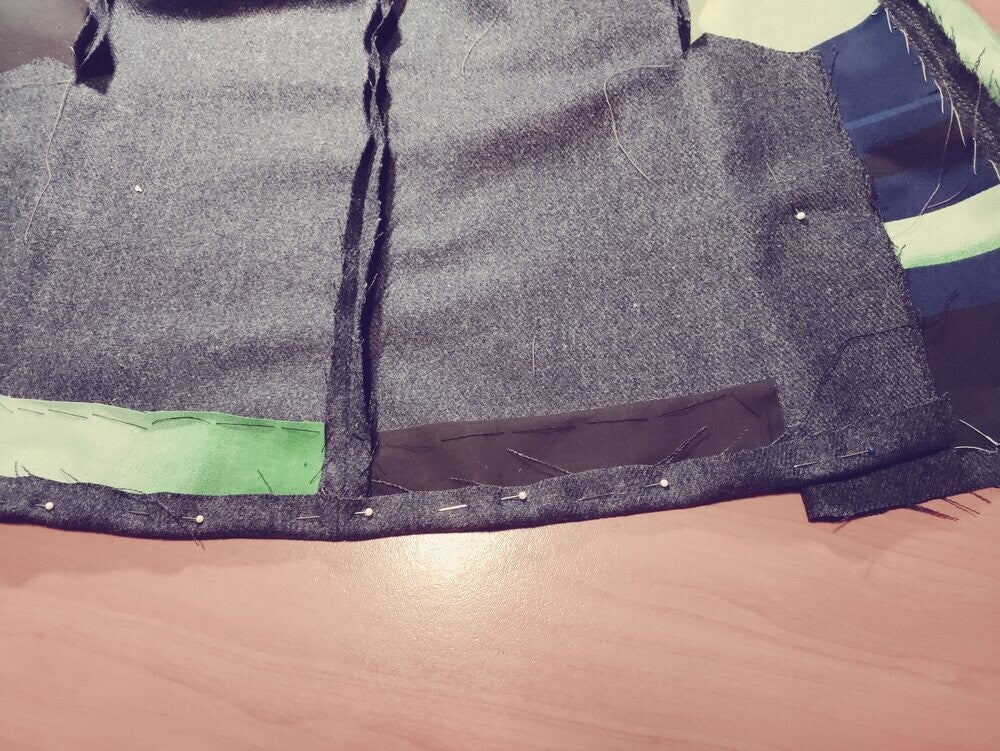
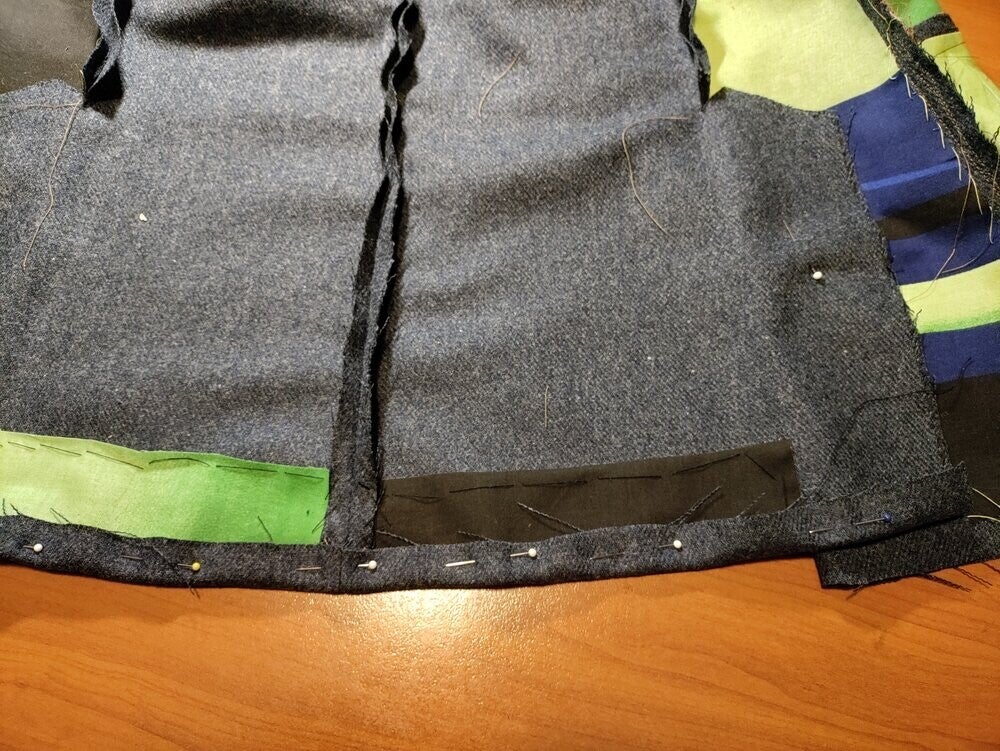
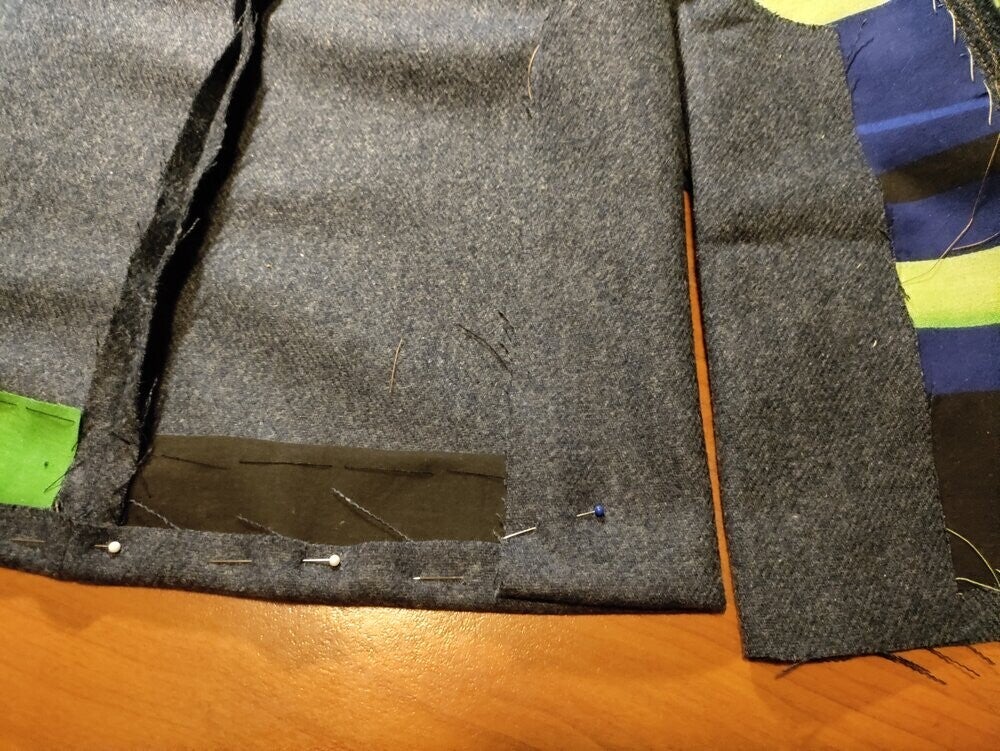
The jacket contains a considerable amount of hand sewing, but I actually enjoyed that part. Many evenings I stitched while listening to an audiobook or watching a good historical drama. Those quiet hours became just as enjoyable as seeing the jacket slowly come to life.
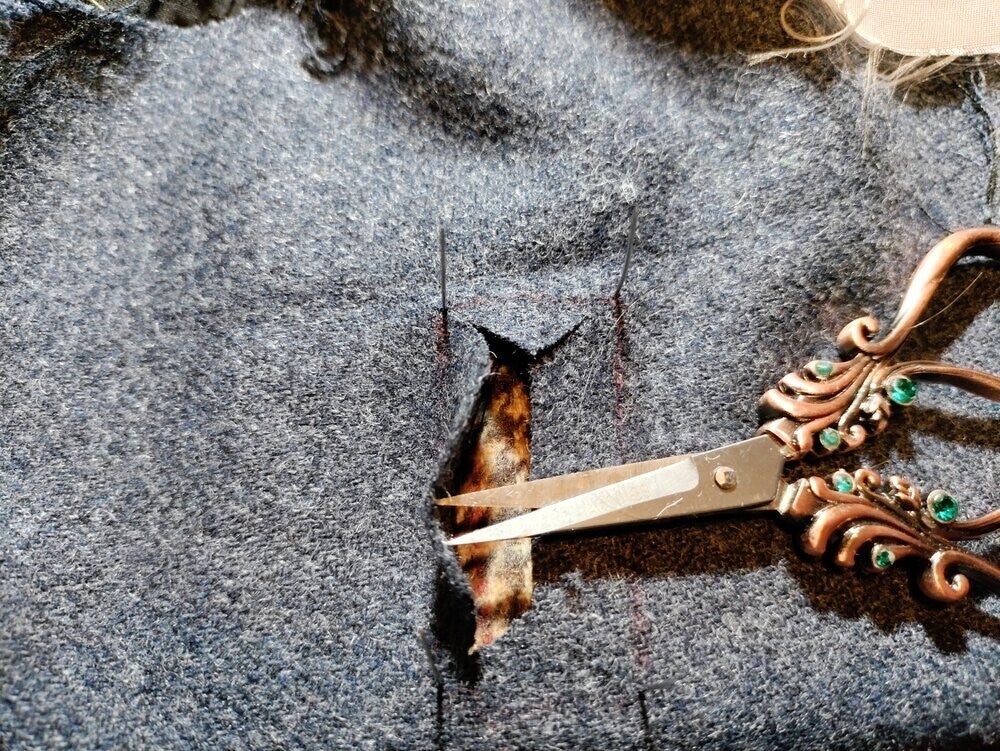
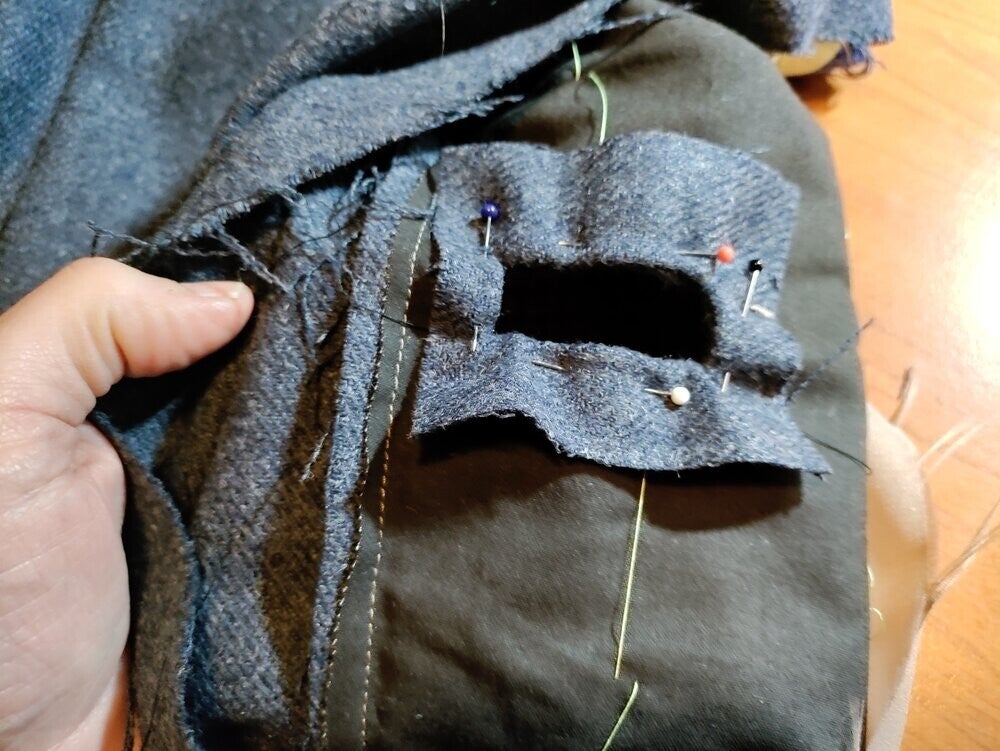
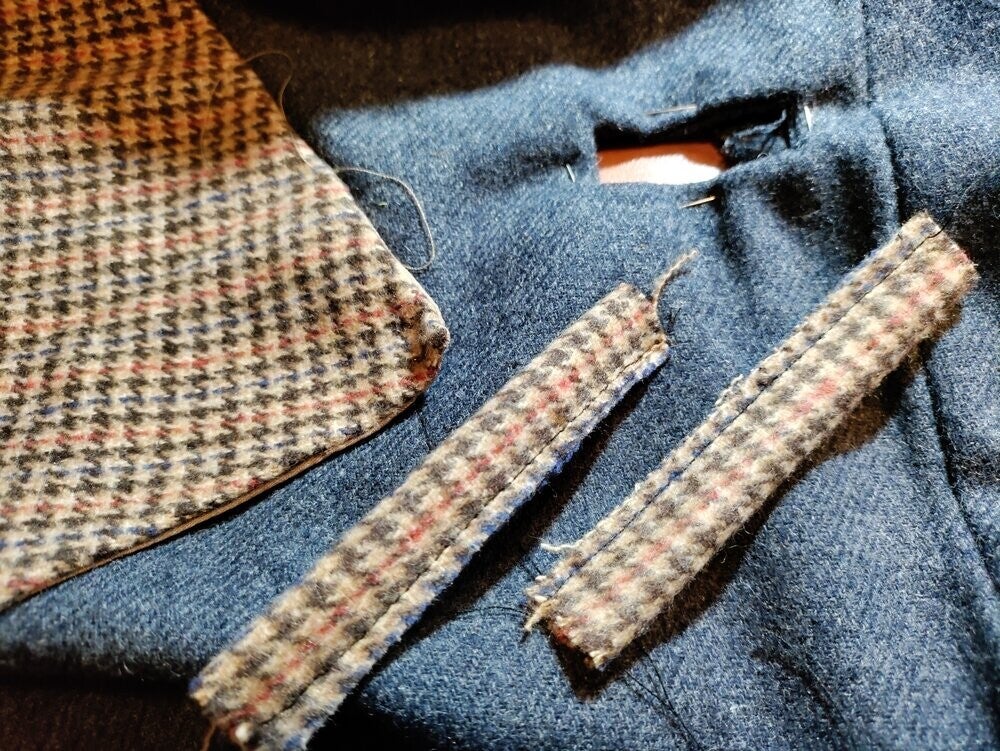
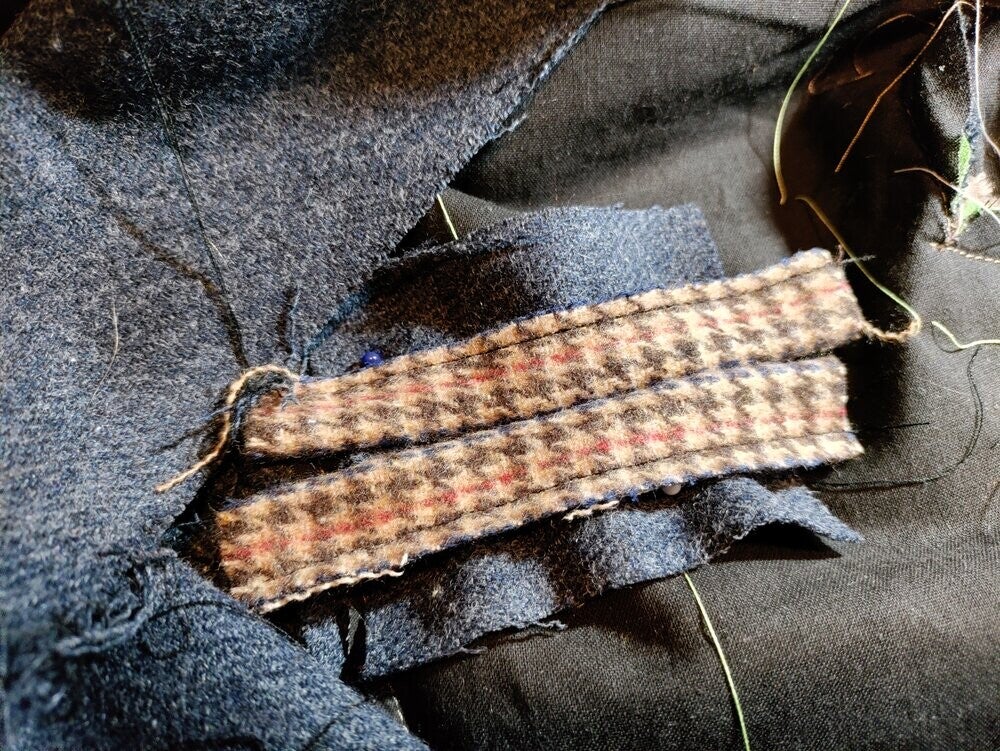
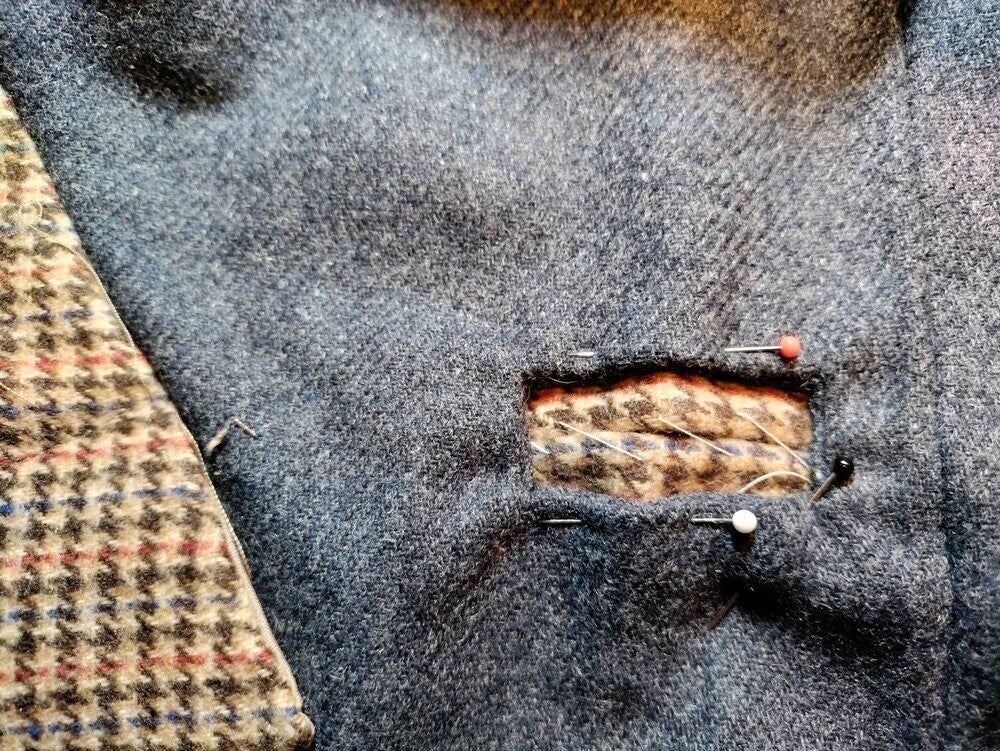
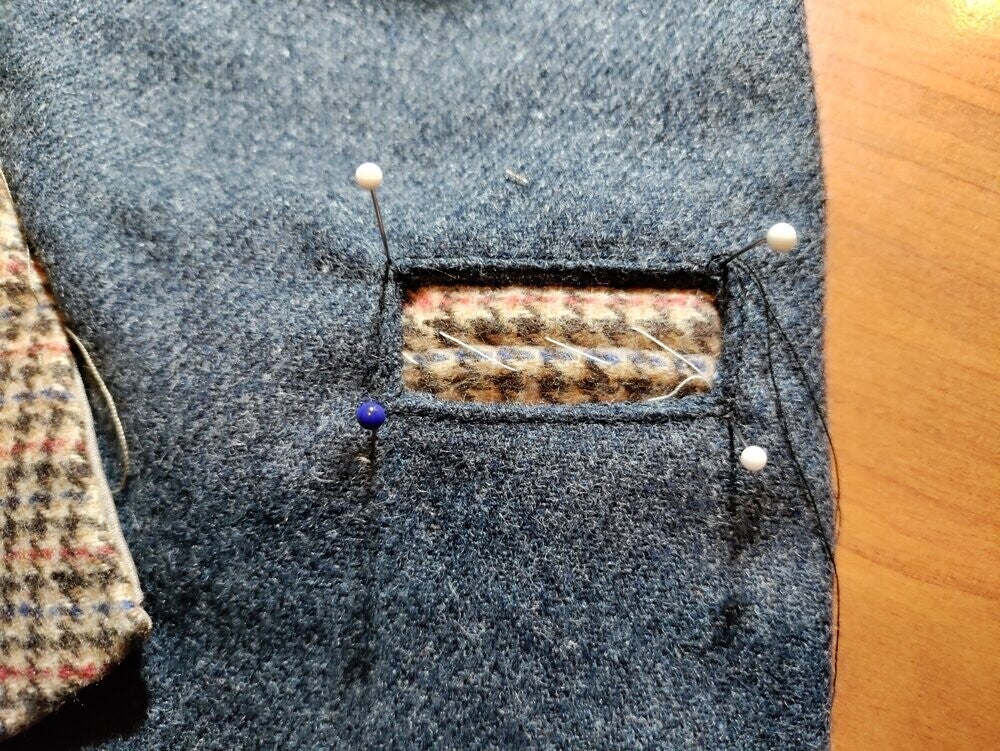
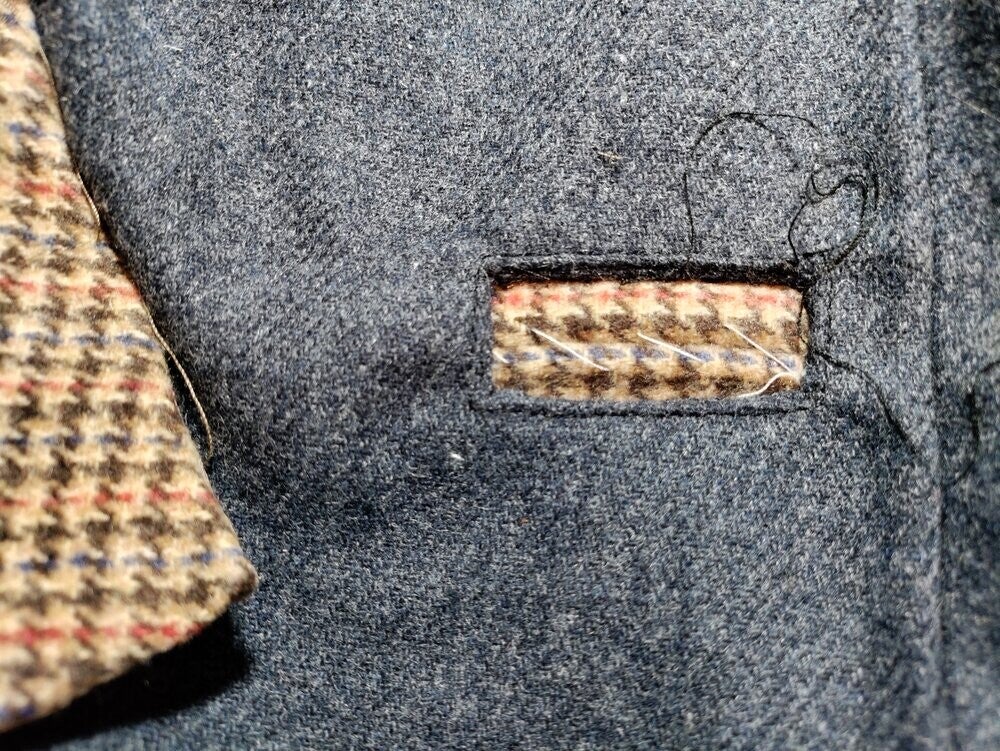
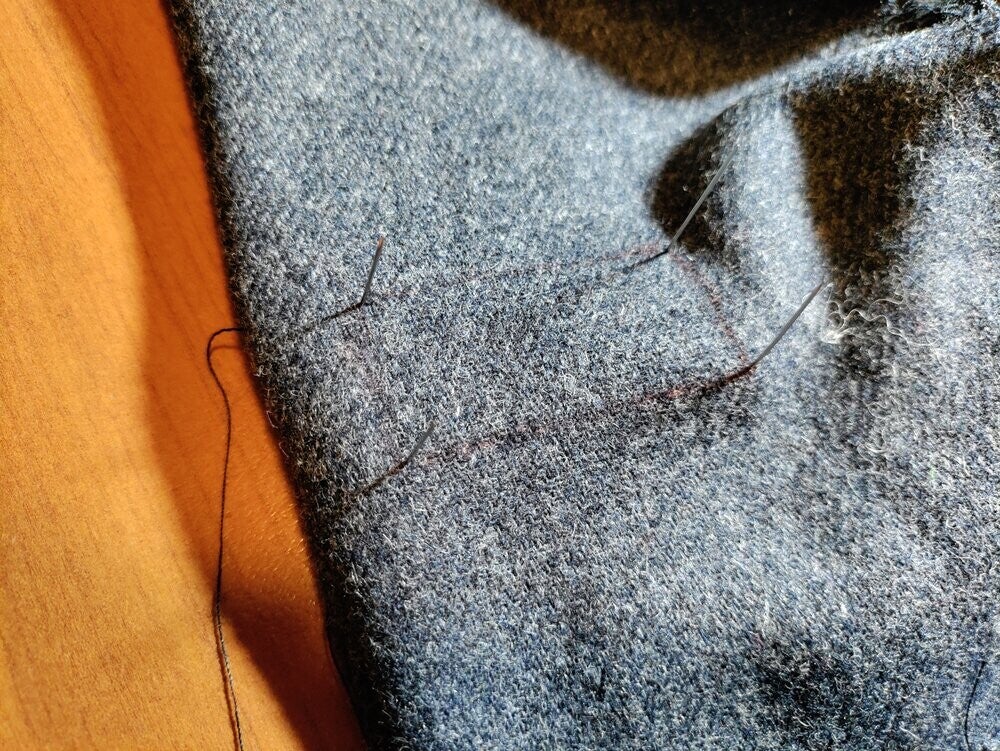
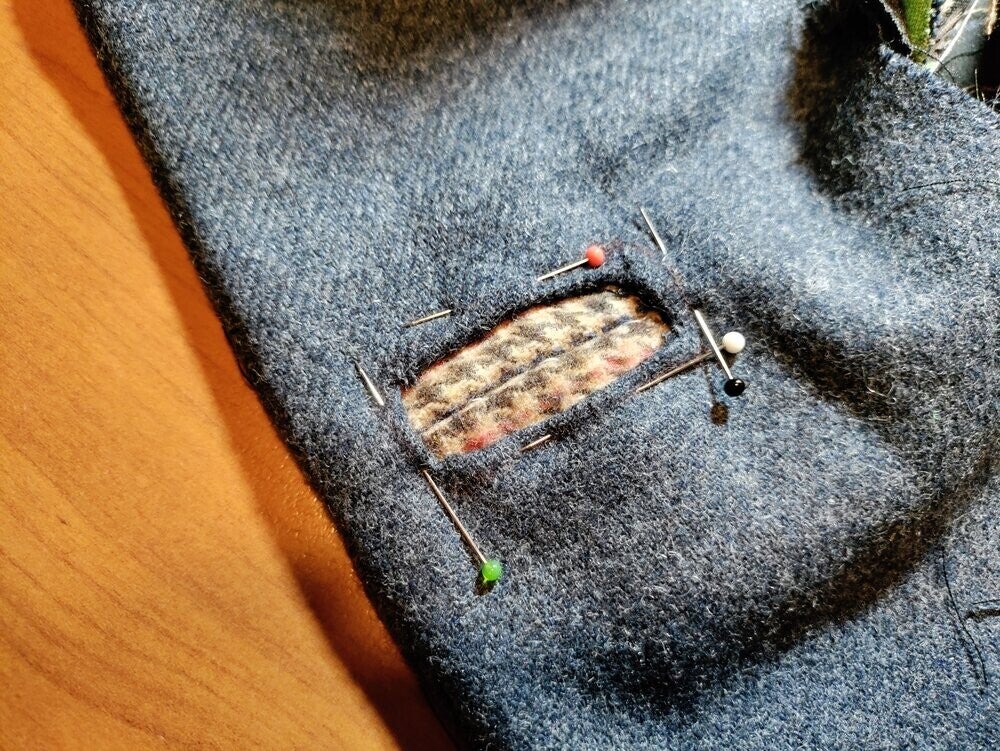
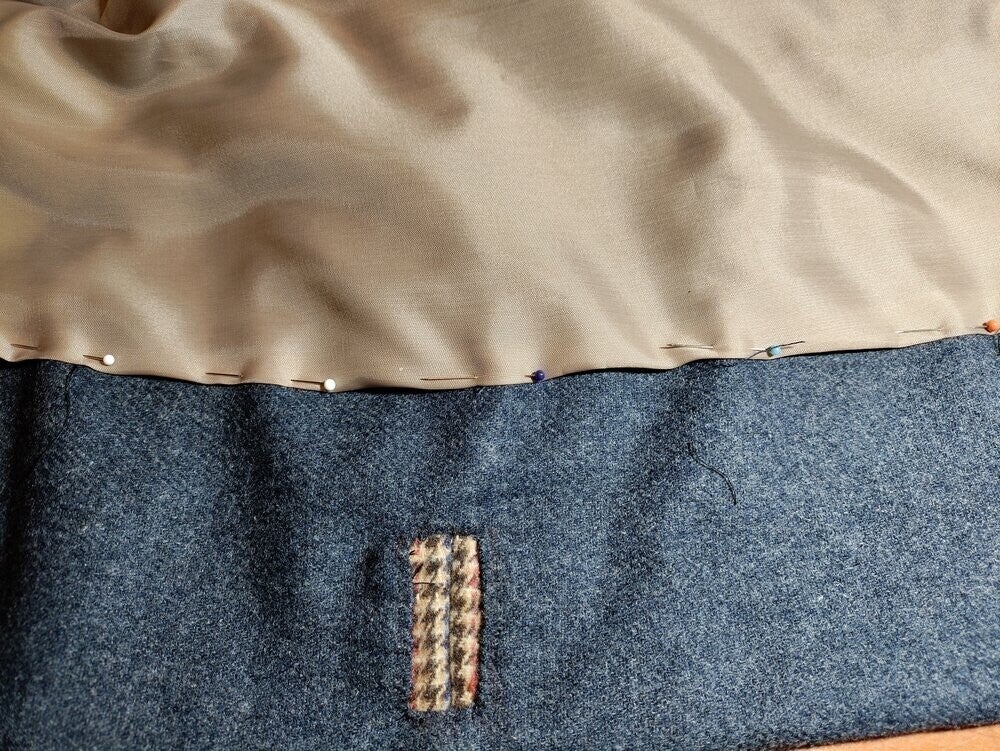
Learning to Make Bound Buttonholes
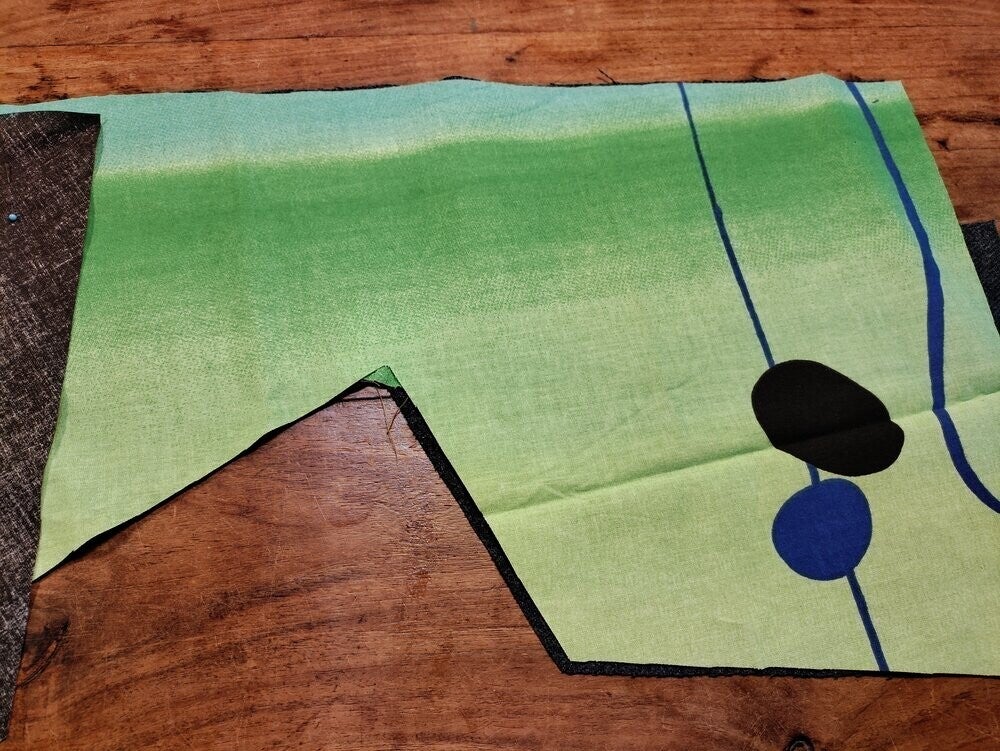
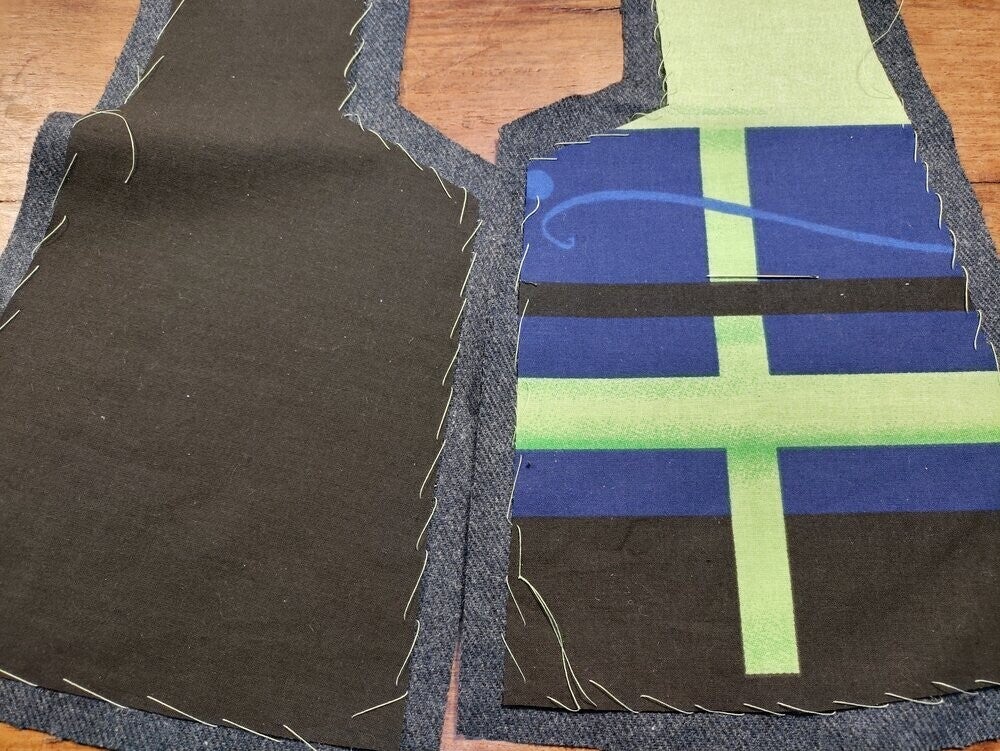
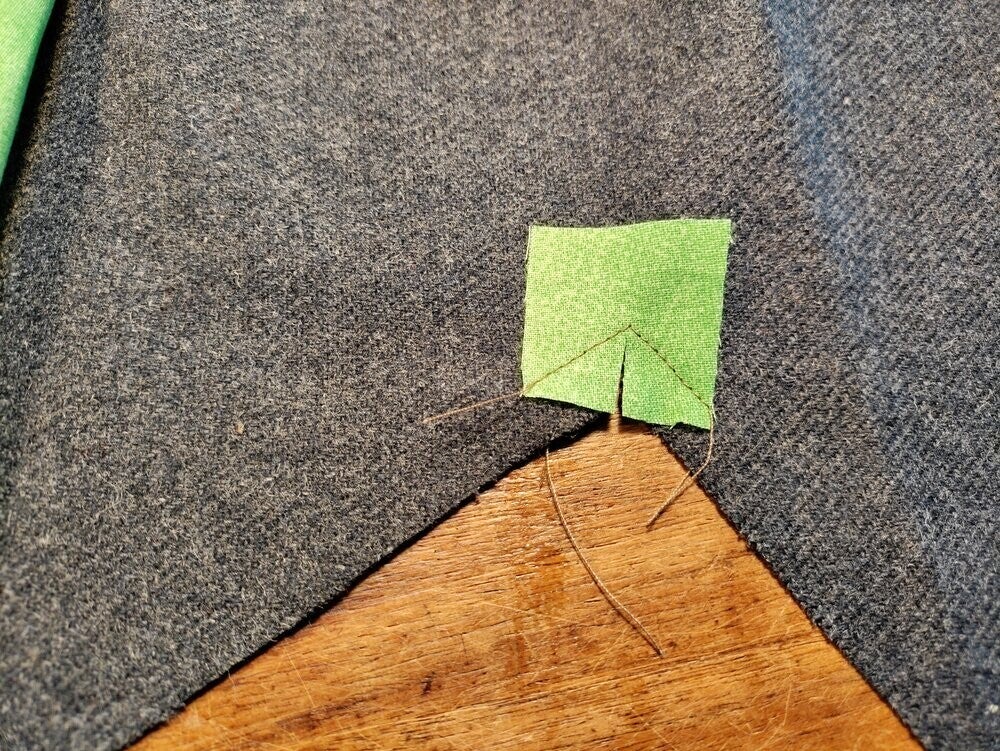
If there is one technique that intimidated me before starting this project, it was bound buttonholes.
They looked impossibly precise, something only professional tailors could create.
I couldn't have been more wrong.
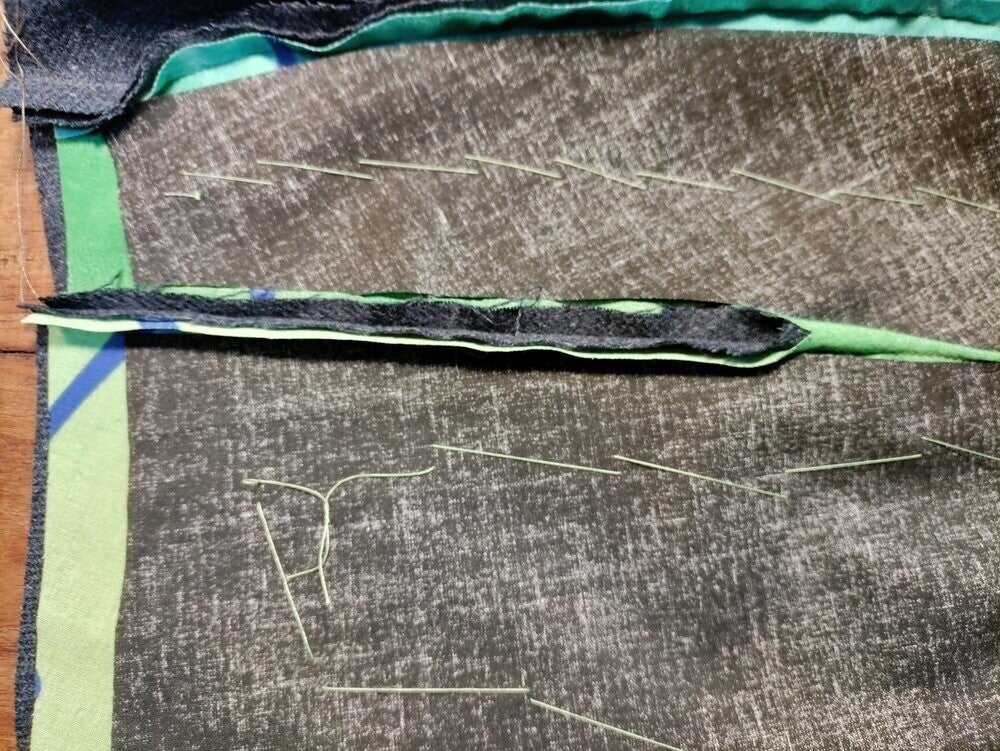
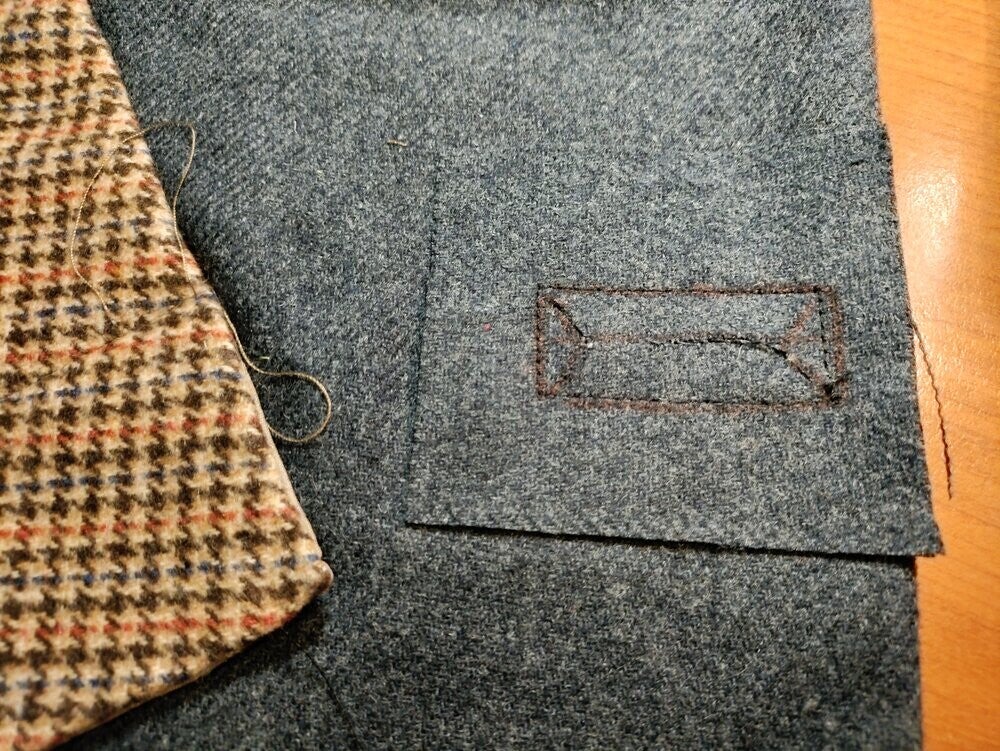
Claire Shaeffer explains the entire process so clearly that, by simply following each step with patience, I discovered that bound buttonholes are not magic at all. They simply require accuracy, good preparation and taking your time.
By the time I finished the jacket, something remarkable had happened.
I was no longer afraid of making bound buttonholes.
In fact, I actually enjoyed making them.
Today they have become one of those couture techniques that I happily use whenever a project deserves that extra touch of elegance.
Sometimes all it takes is one well-written sewing pattern to remove years of hesitation.
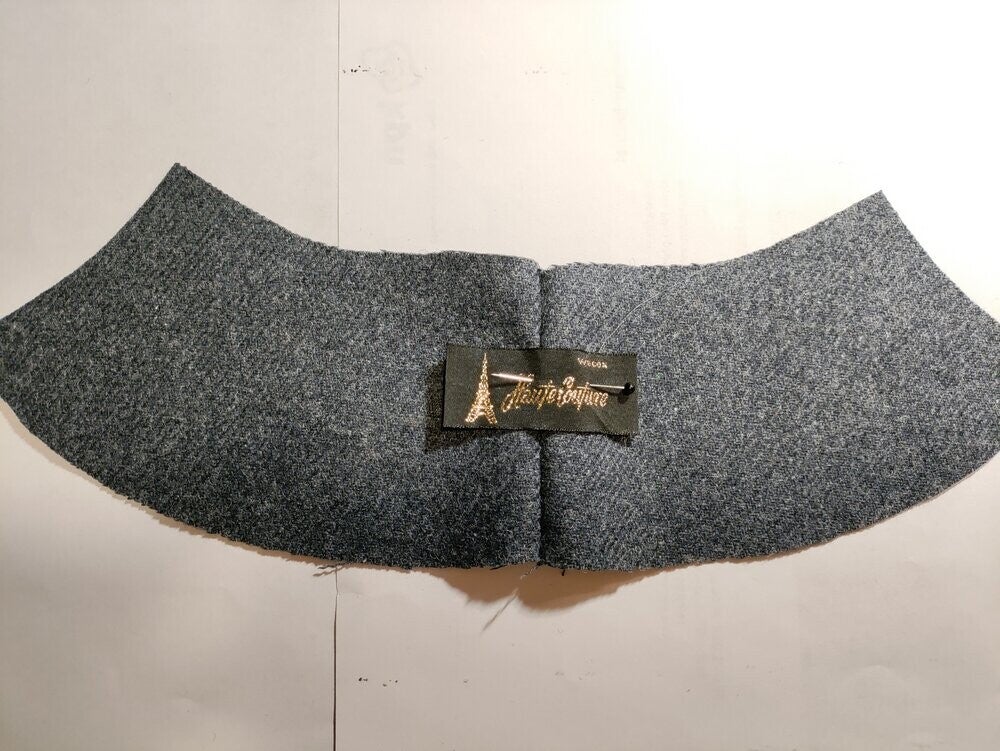
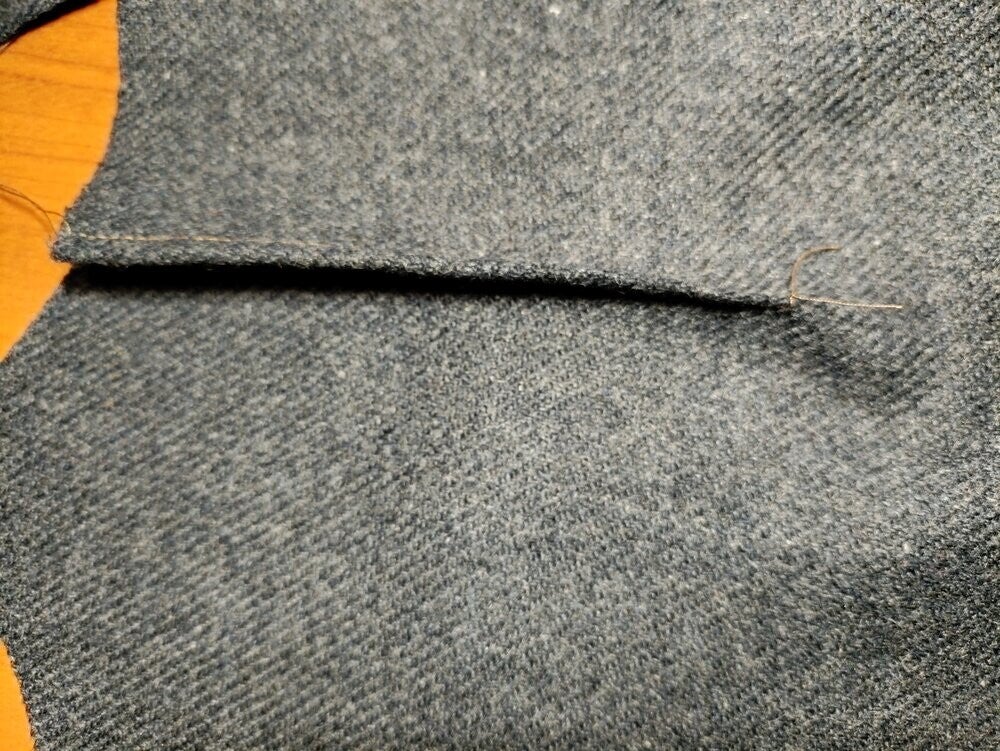
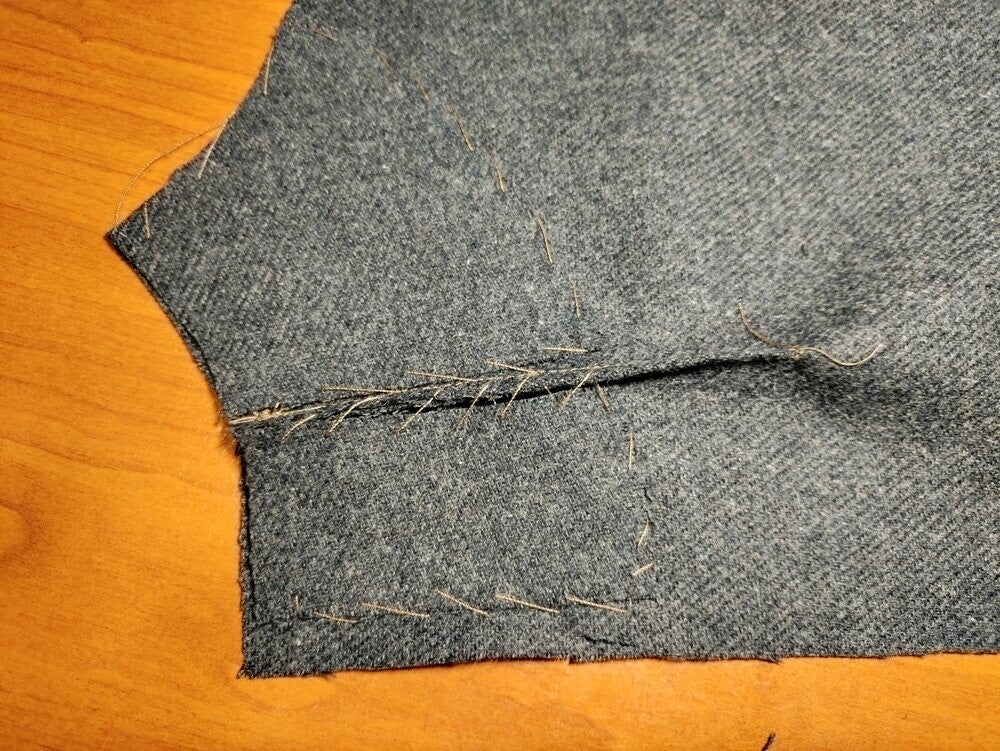
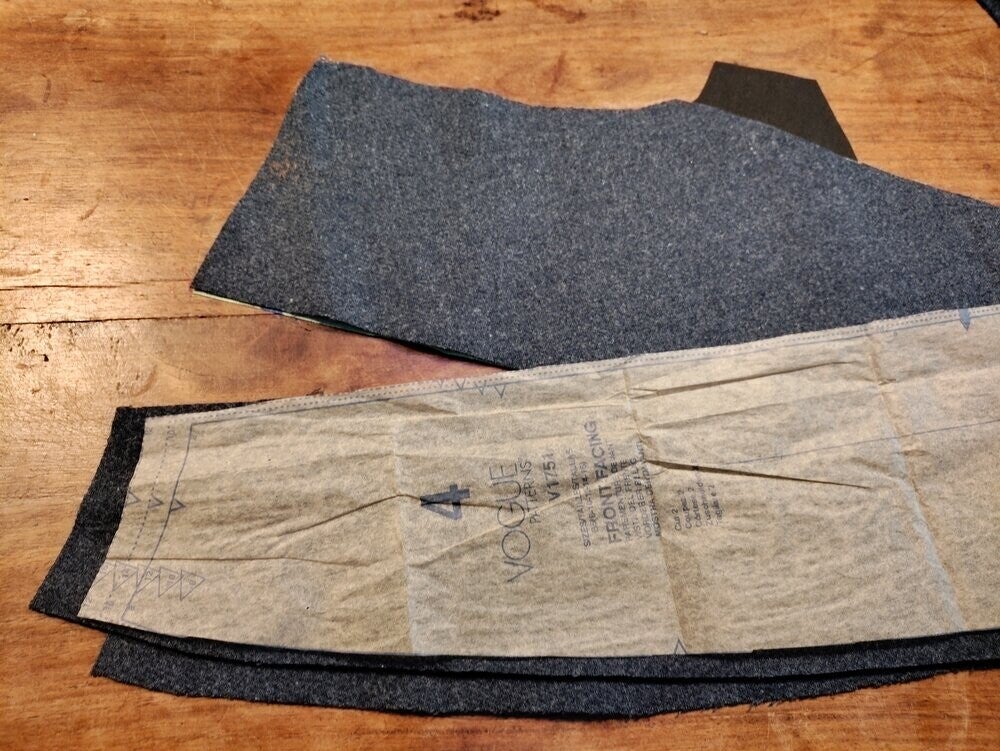
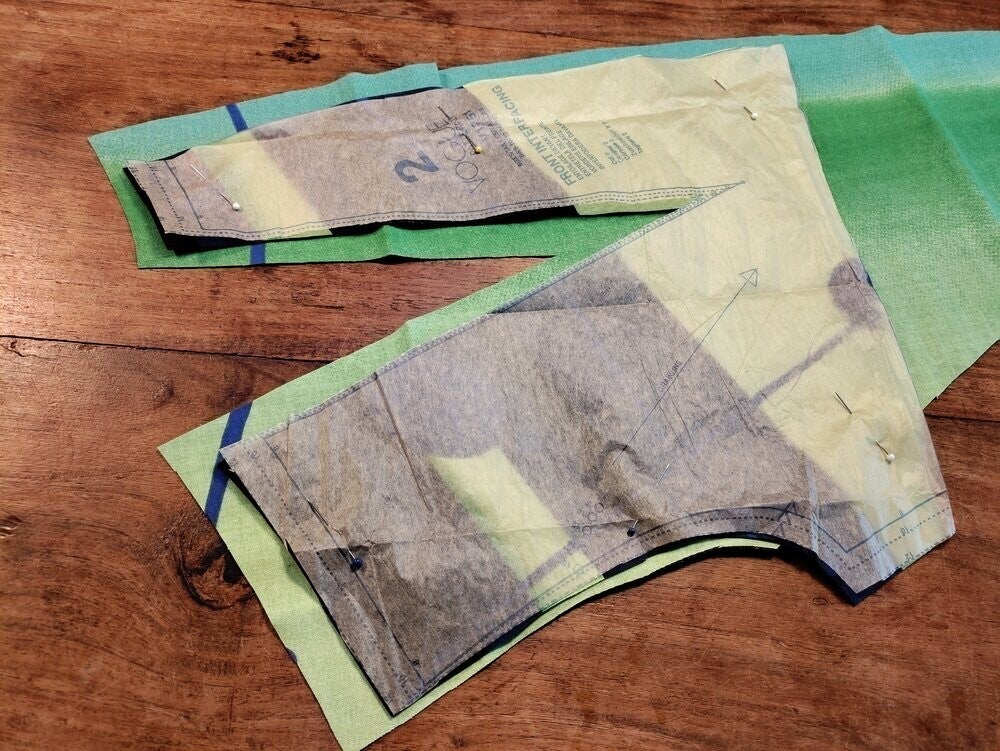
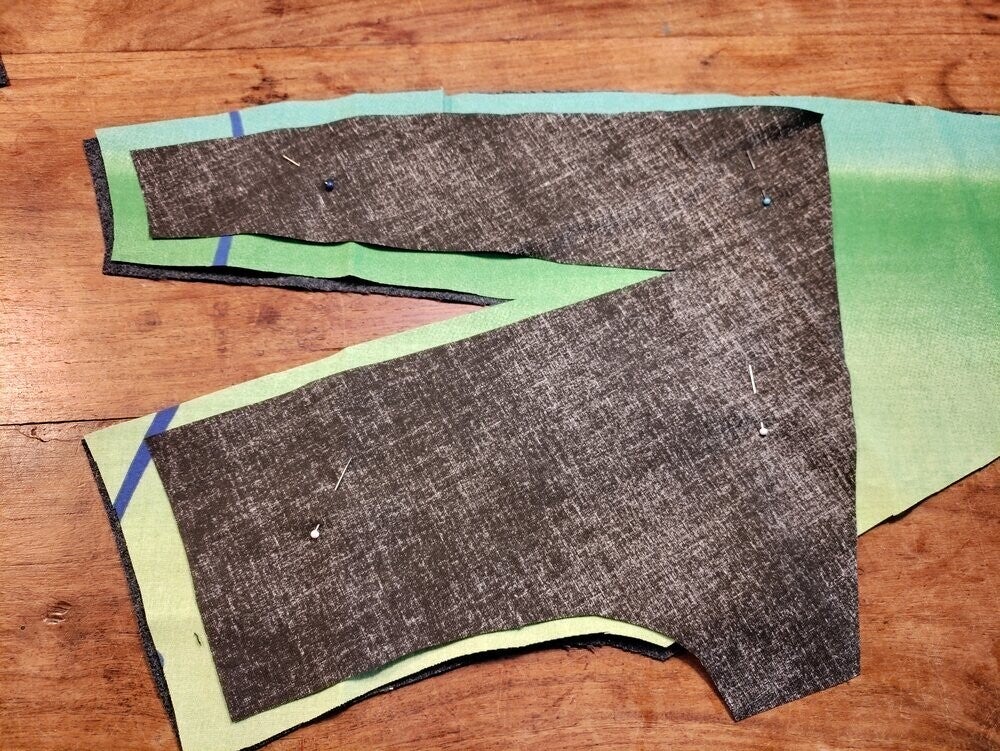
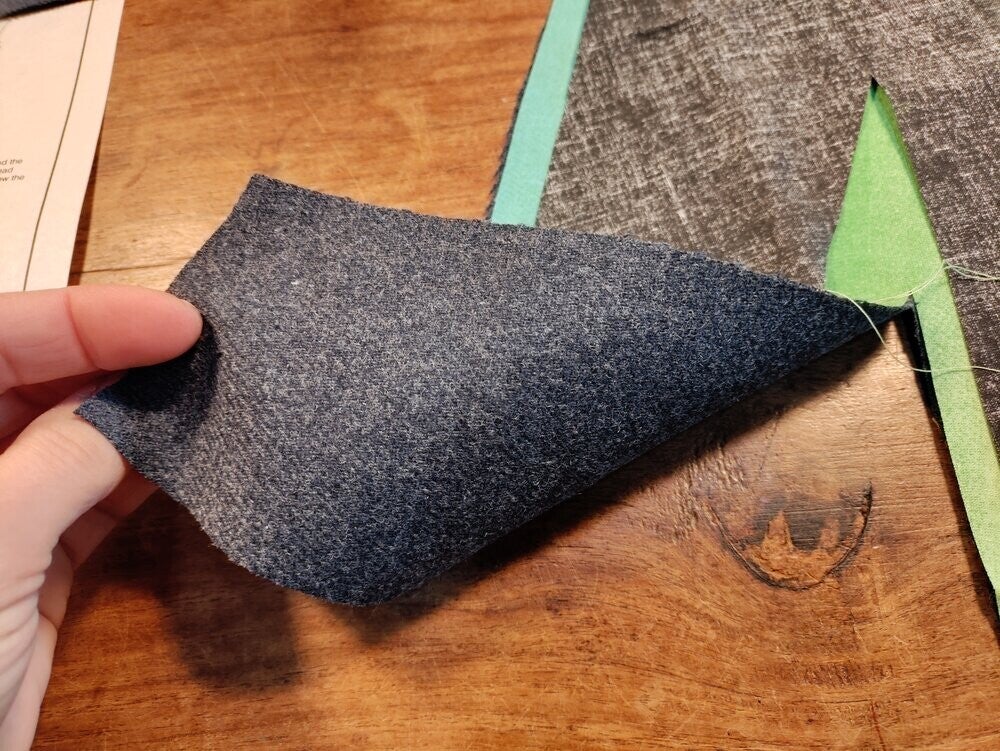
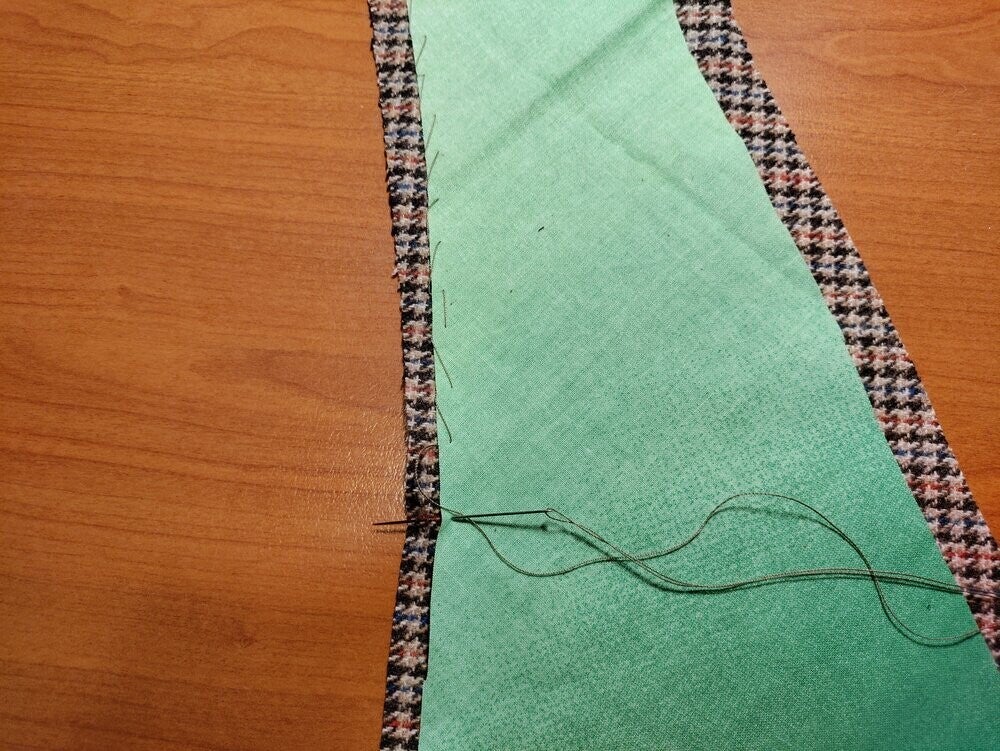
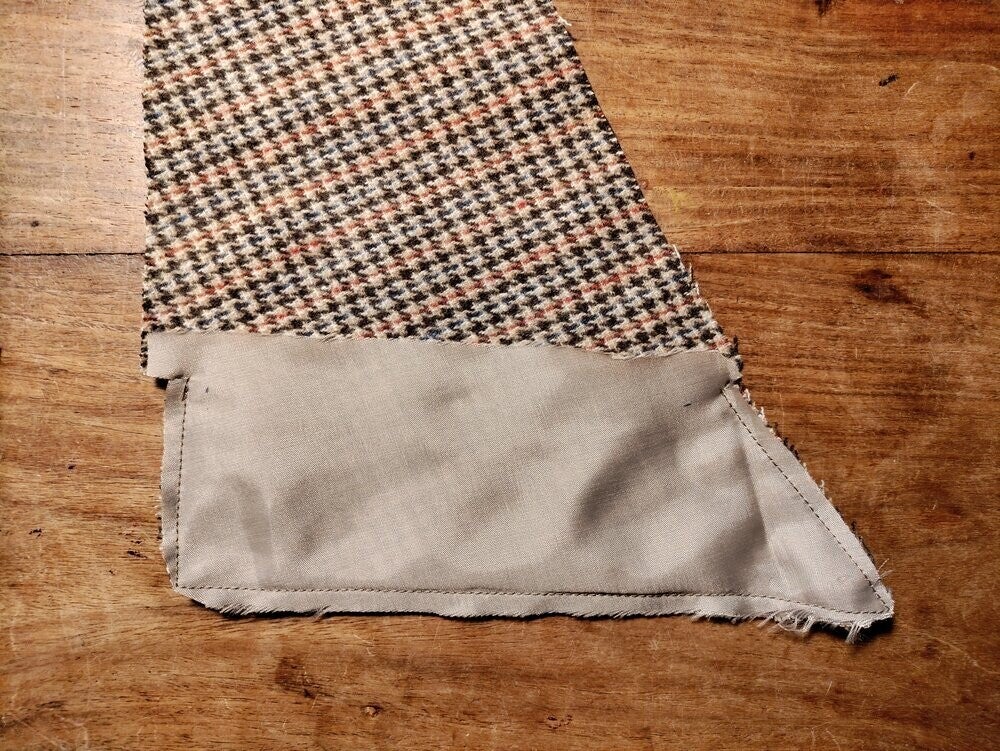
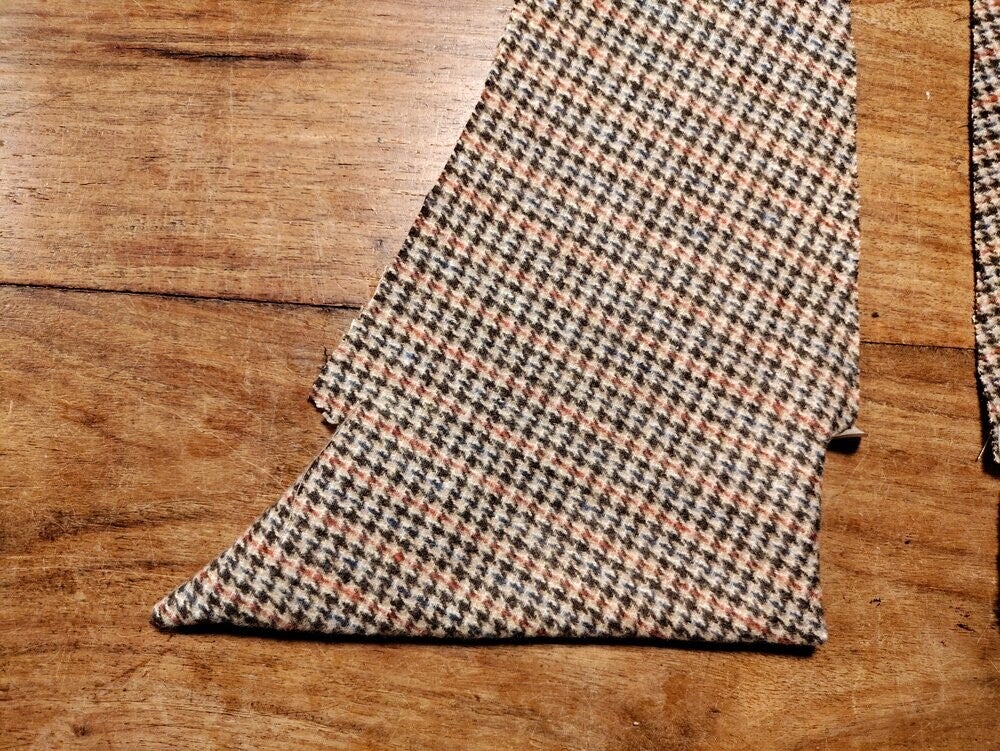
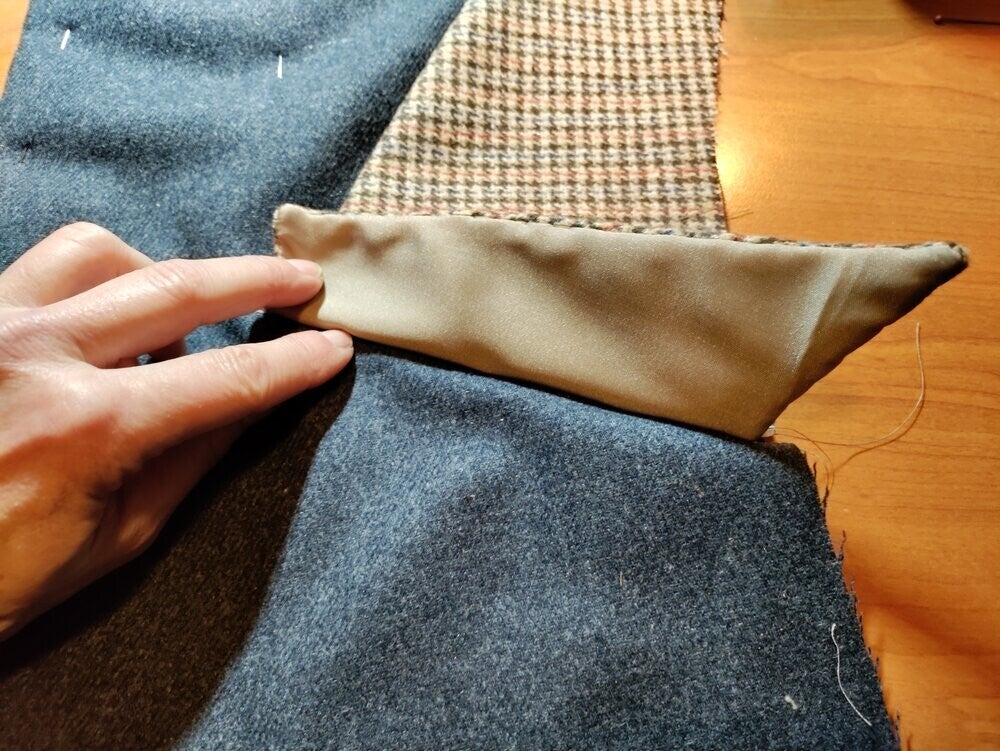
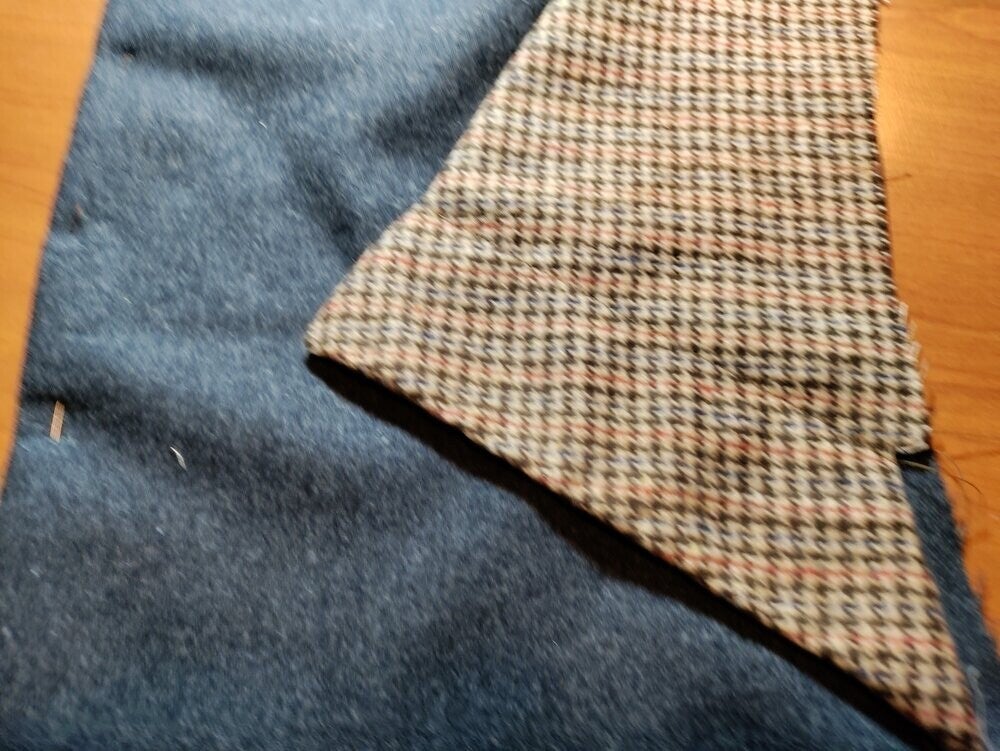
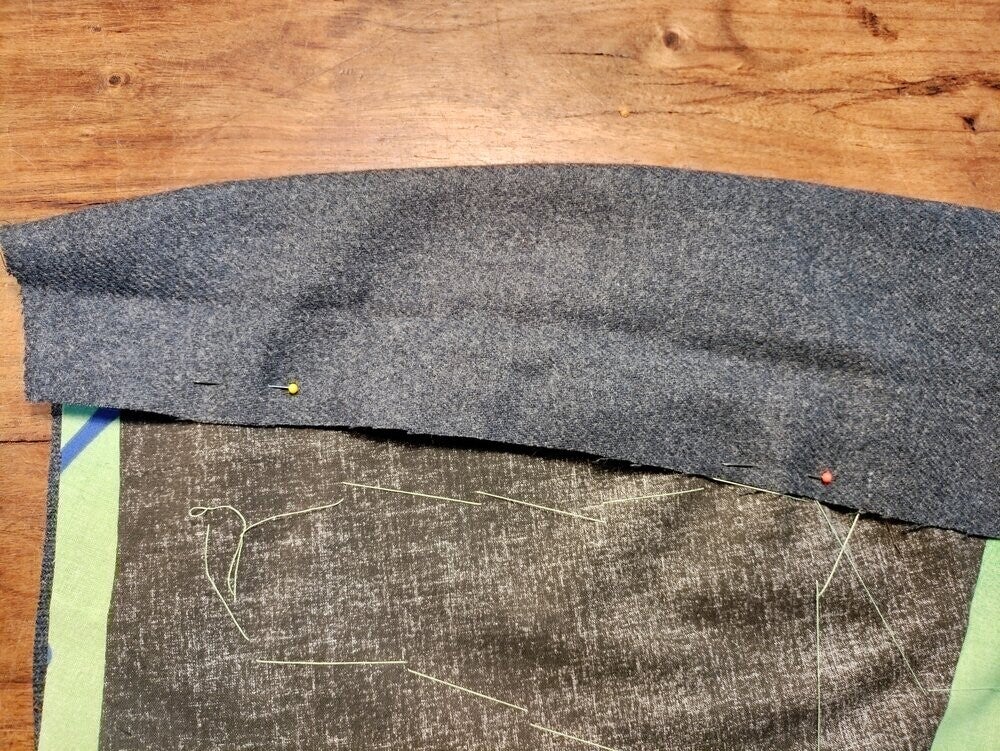
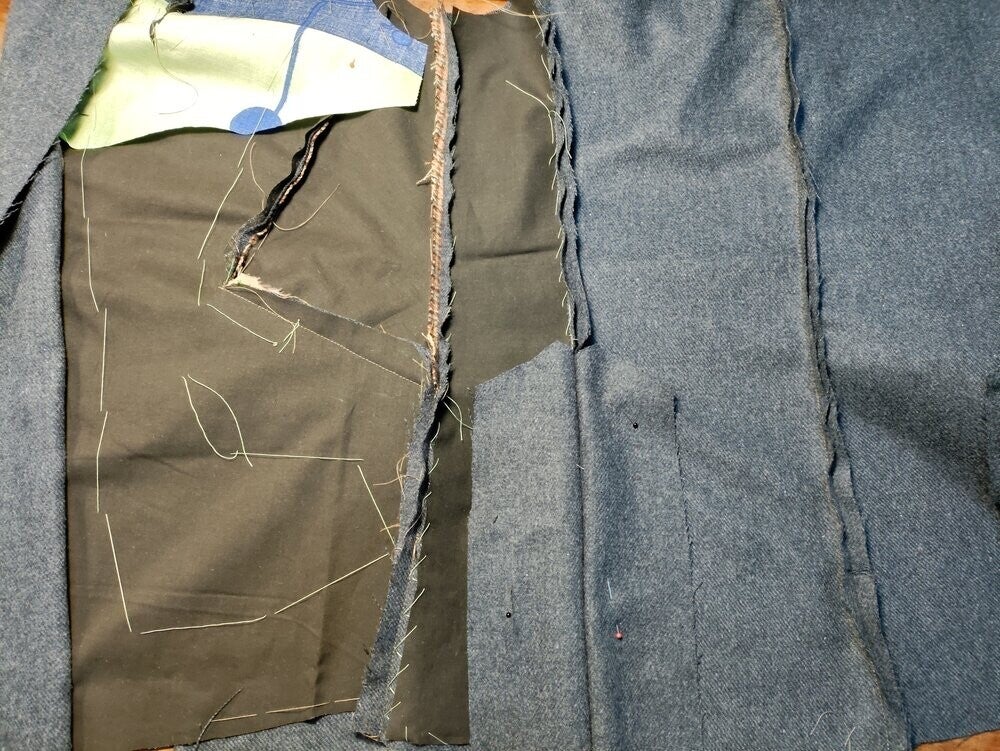
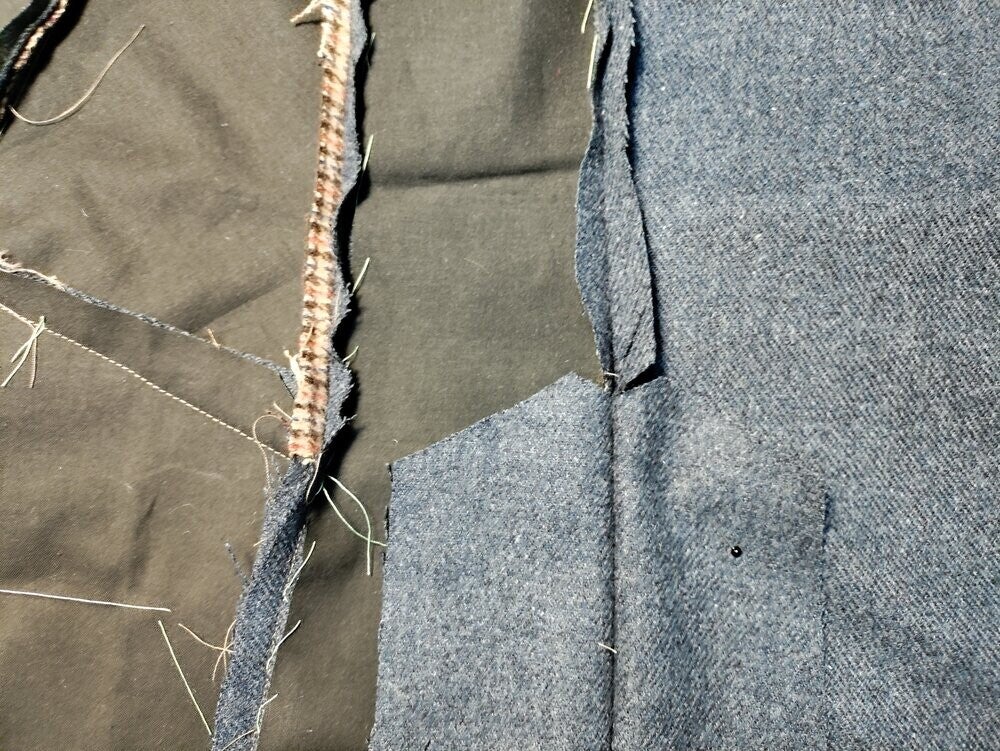
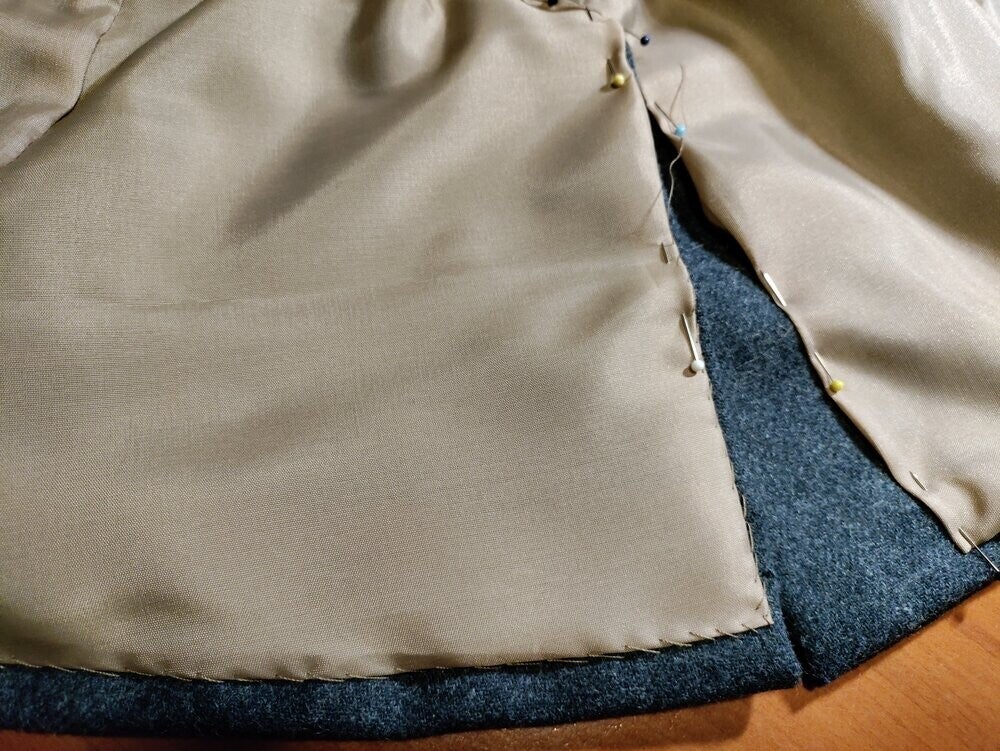
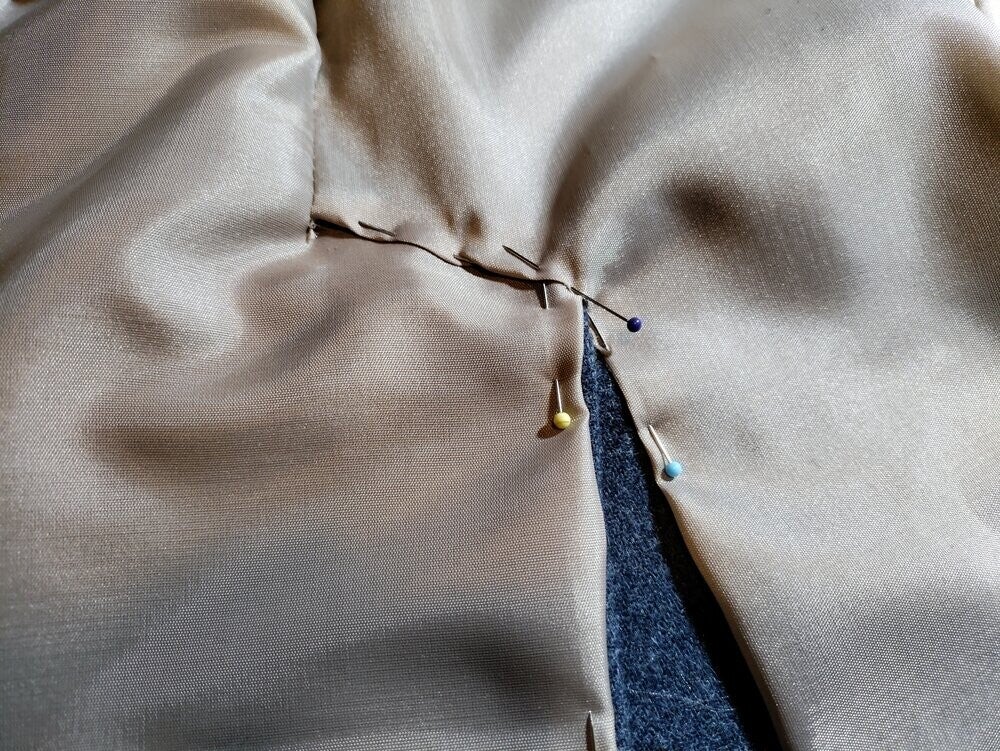
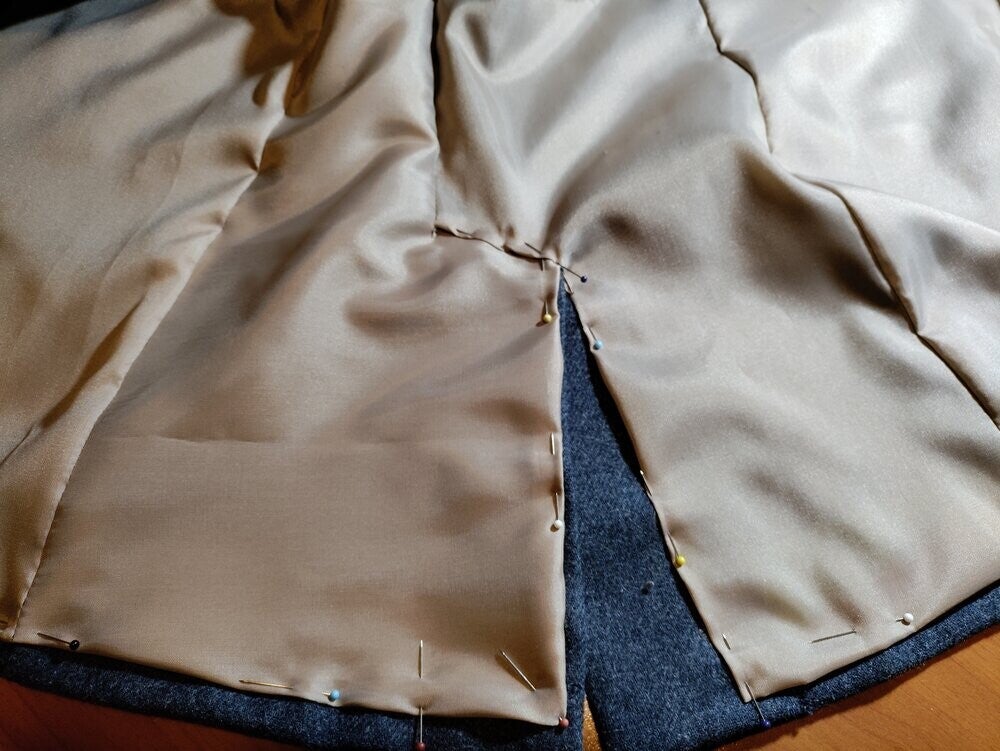
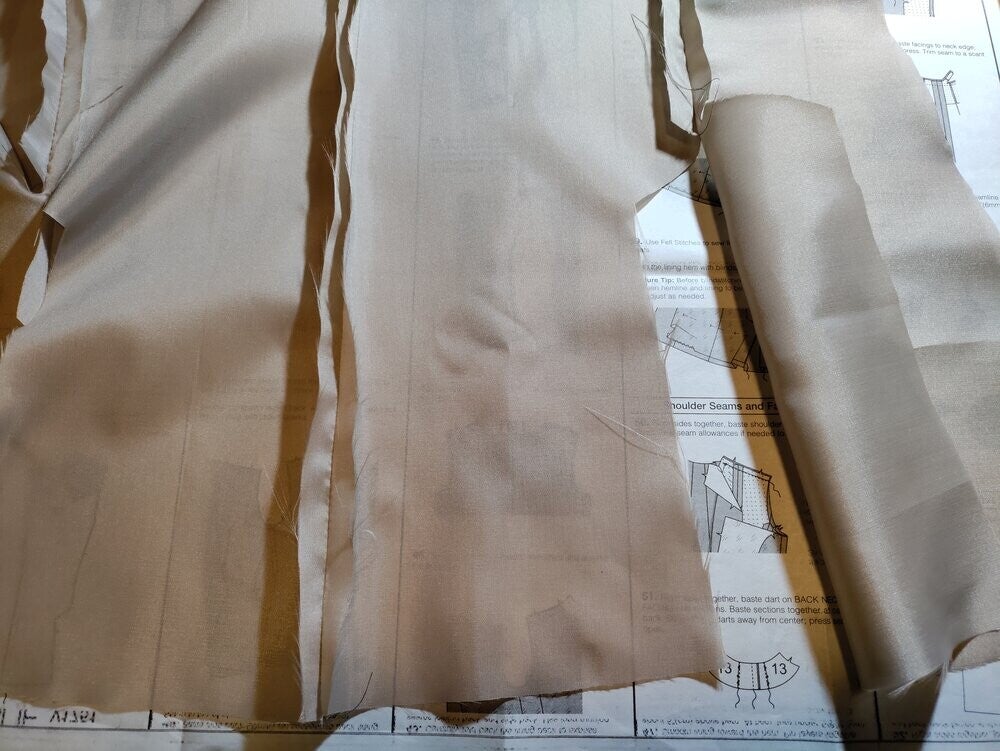
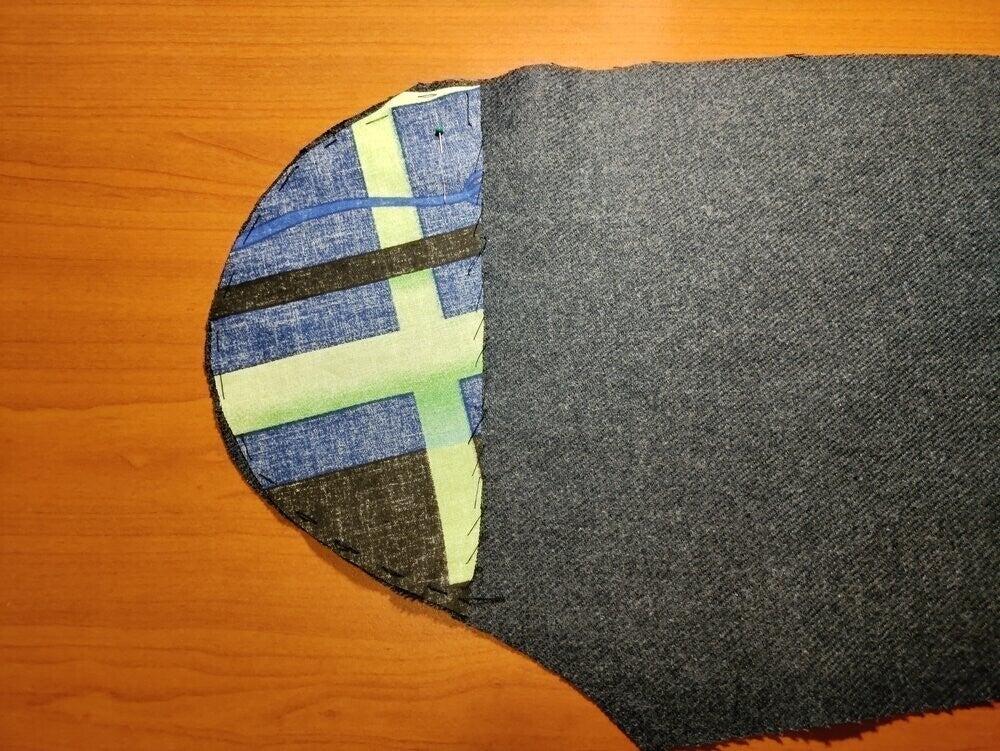
My Version
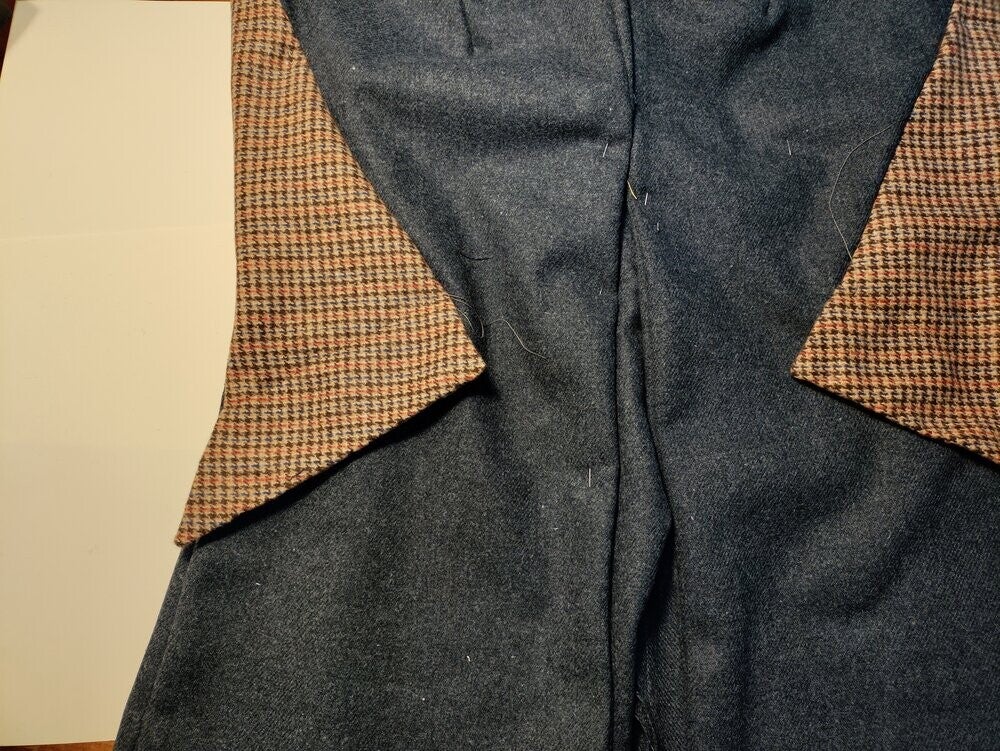
Instead of following the classic couture look, I wanted to give the jacket a more relaxed character.
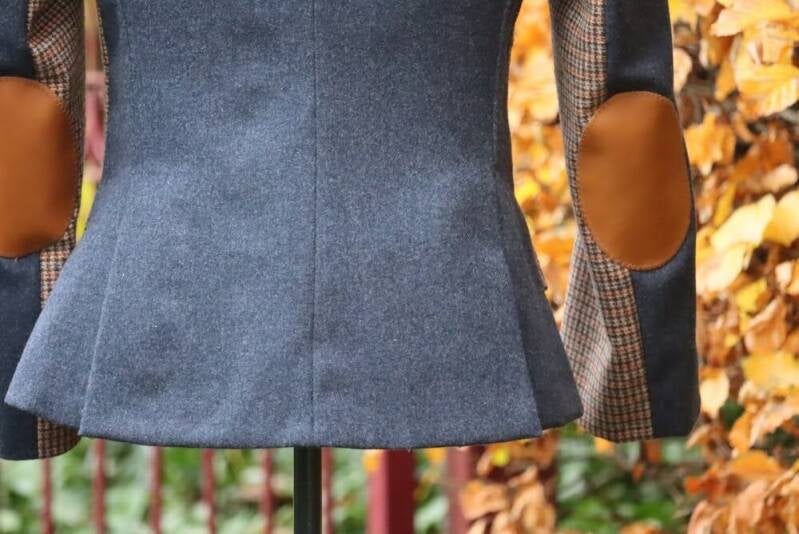
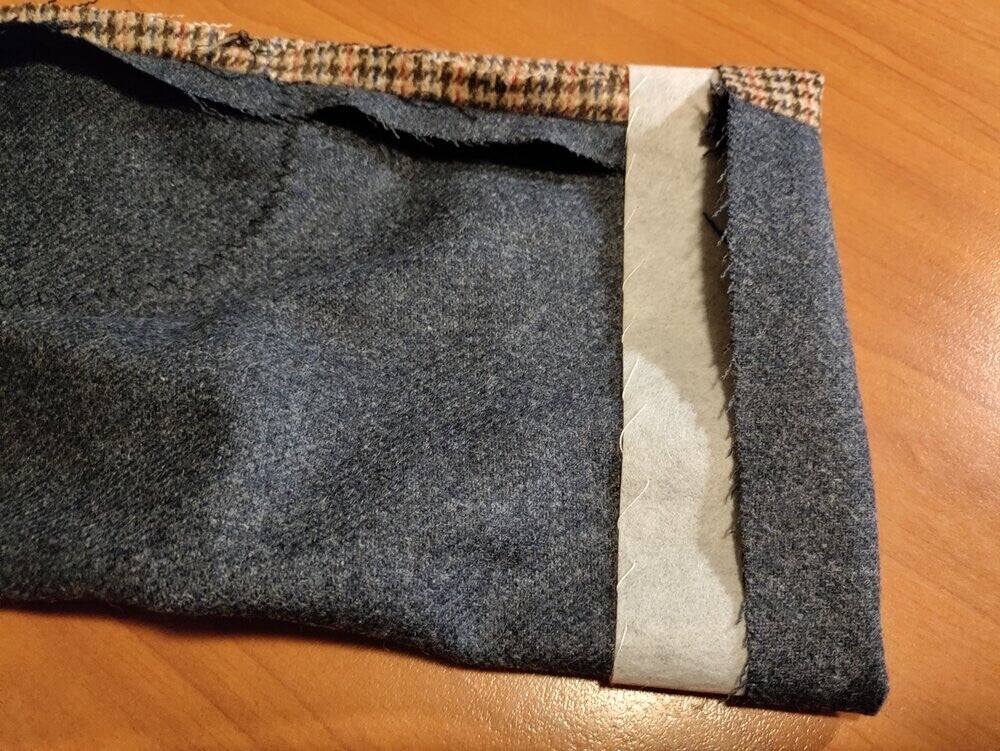
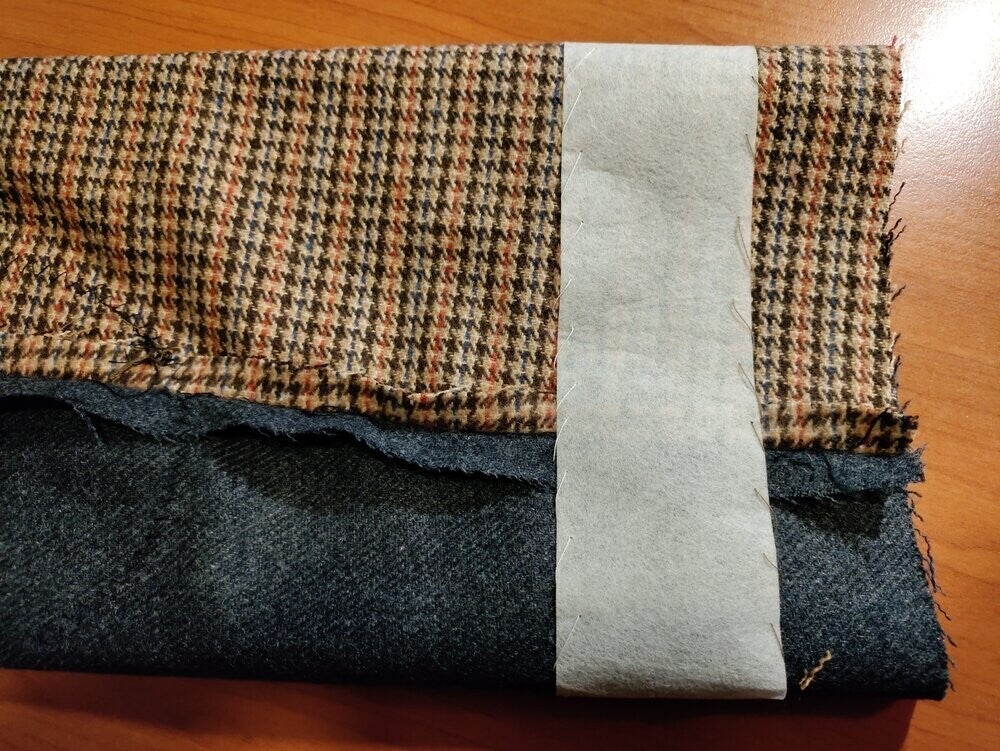
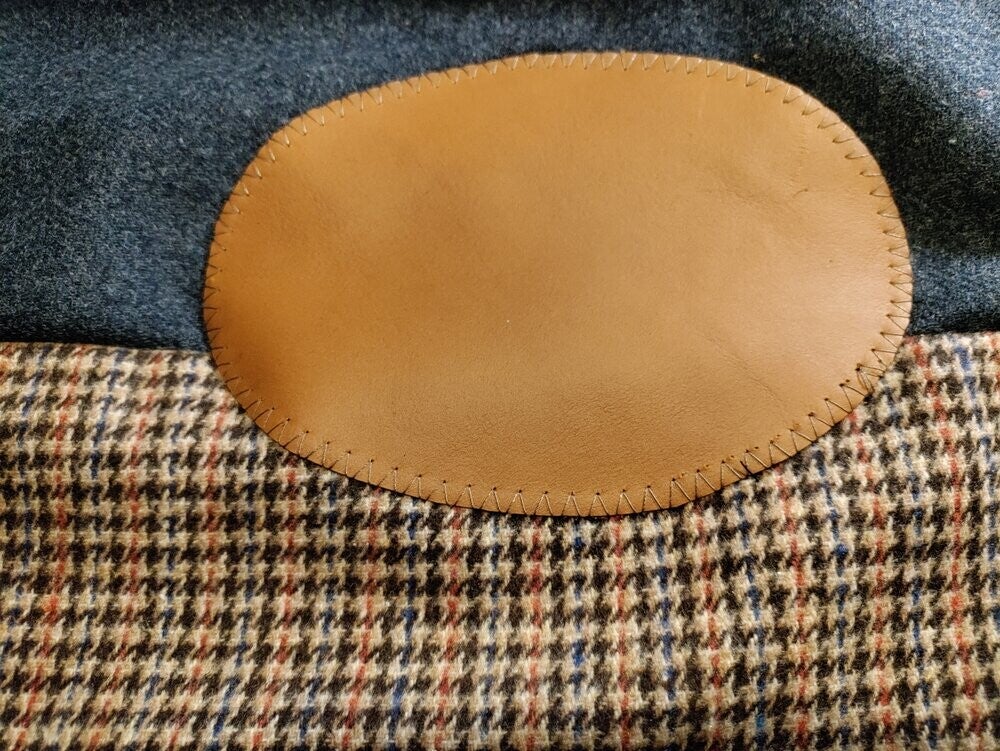
I chose a checked fabric and added leather elbow patches, turning it into something that felt more like an English country jacket than a traditional couture piece. That's one of the joys of sewing: even when following a pattern closely, your fabric choices can completely change its personality.
Fabric Matters
For this pattern I would definitely recommend following the suggested fabrics.
Claire Shaeffer designed the construction specifically for fabrics such as:
- Men's suiting
- Wool crepe
- Brocade
Other medium-weight tailoring fabrics
The structure of these fabrics is an important part of the success of the jacket. Trying to substitute them with very soft or stretchy fabrics will probably make the construction much more difficult.
What I Loved
- An outstanding couture learning experience.
- Excellent illustrations and clear instructions.
- Traditional tailoring techniques explained step by step.
- A wonderful project if you enjoy hand sewing.
- You'll gain skills that can be used in many future garments.
Things to Consider
- Definitely not a beginner's project.
- The fit offers limited opportunities for major alterations during construction.
- Fabric choices are fairly limited because of the tailoring techniques involved.
- Expect to spend quite a few evenings on the project.
Would I Sew It Again?
Absolutely.
Not because I necessarily need another jacket exactly like this one, but because it taught me so much.
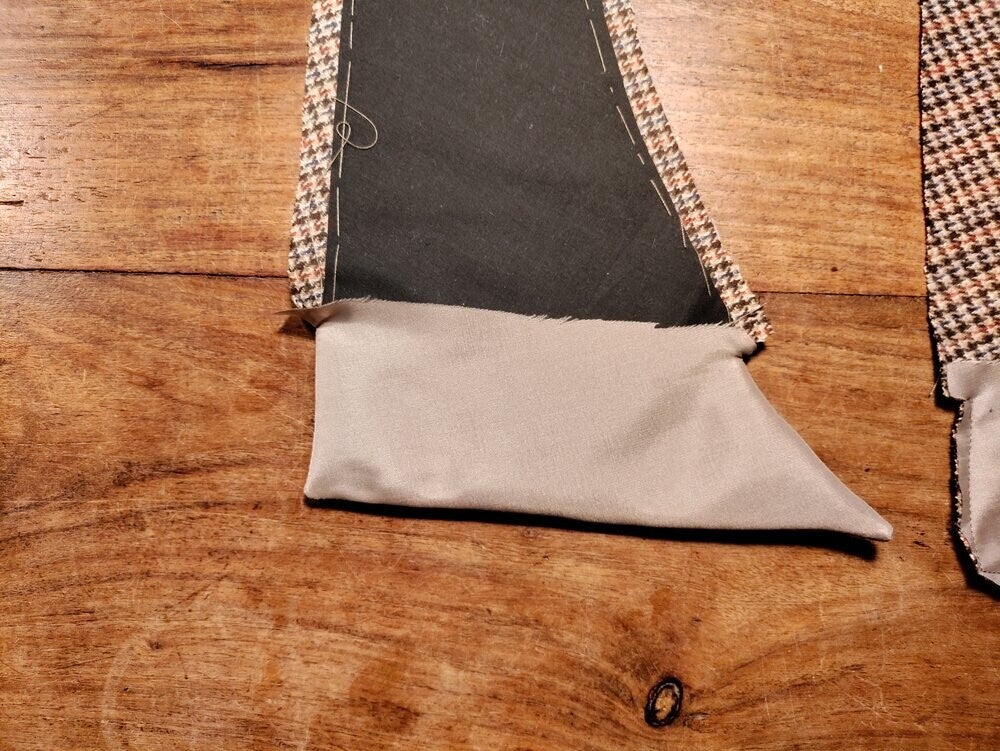
Before making Vogue V1751 I looked at techniques like bound buttonholes and tailored sleeve heads with a certain amount of nervousness. Afterwards they simply became another enjoyable part of couture sewing.
That, to me, is what makes a sewing pattern truly special.
It doesn't just leave you with a beautiful jacket.
It leaves you with new skills, more confidence, and a deeper appreciation for traditional couture craftsmanship.
Add comment
Comments