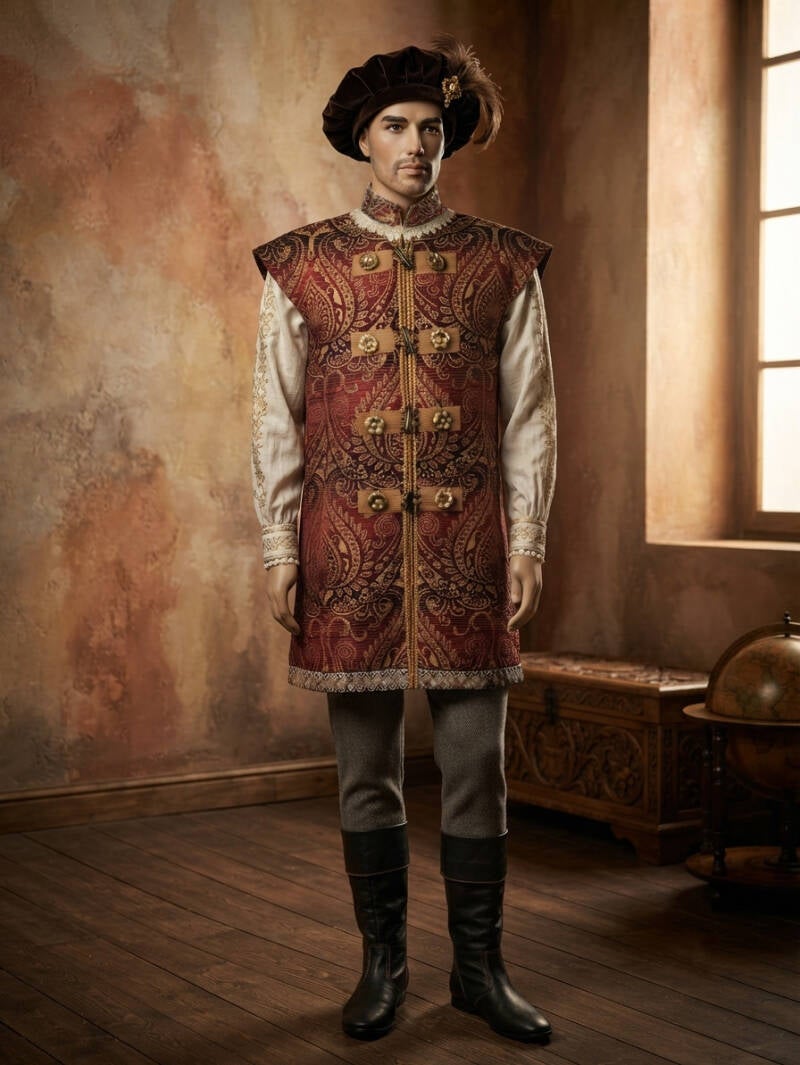
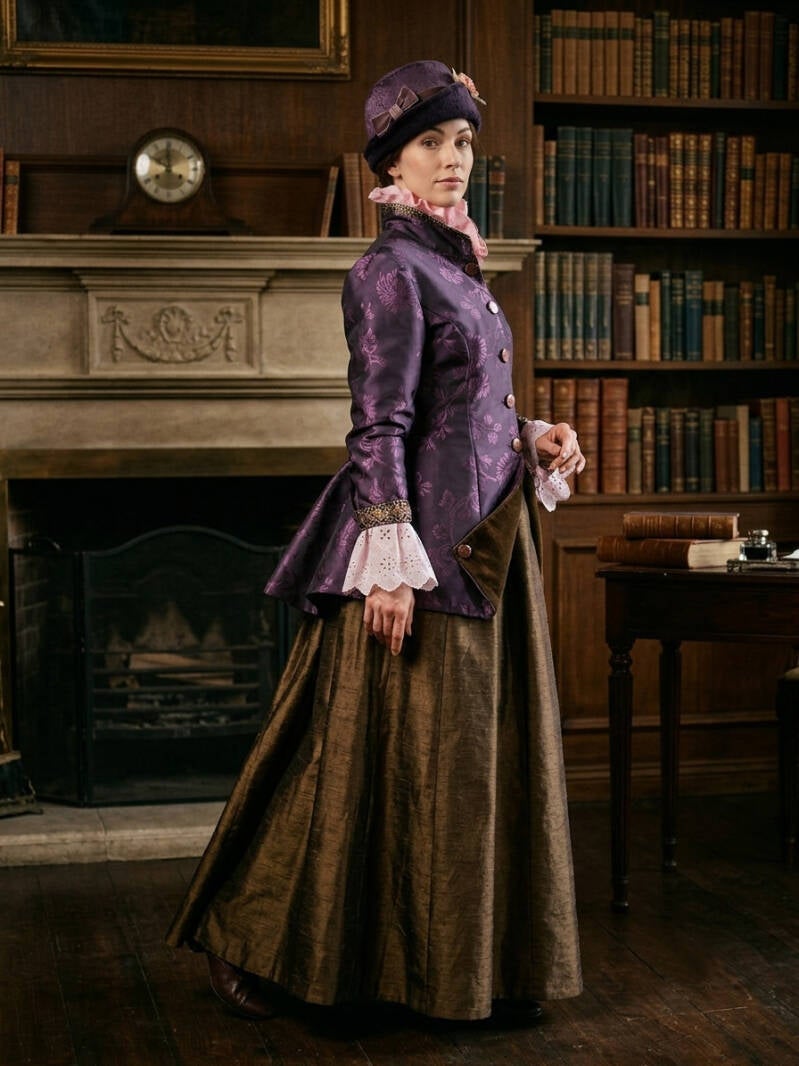
When people see one of my historical costumes, they usually notice the finished garment. The beautiful fabric, the details, the silhouette. But every costume begins long before I thread my sewing machine.
It begins with research.
Every Costume Starts with Curiosity
One of the questions I am asked most often is, "Where do your ideas come from?"
The answer is simple: everywhere.
I spend many hours searching the internet, looking at museum collections, old paintings, historical portraits and photographs. But I also love something much more traditional. I own a growing collection of books about costume history, fashion, textiles and European history. Many evenings end with a cup of tea and several books spread across my table.
The more I learn, the more I realise there is still so much to discover.
Building the Story
Before I start making anything, I collect ideas.
I create mood boards filled with colours, fabrics, paintings, historical references and small details that capture the feeling of a period. Sometimes I also use AI to help me visualise my ideas and turn them into clear concept sketches. It never replaces my own creativity, but it is a wonderful tool for exploring possibilities before I start cutting fabric.
A costume should tell a story before the first stitch is even sewn.
Finding the Perfect Fabric
If there is one thing I have become very good at over the years, it is finding fabric.
Sometimes I think searching for fabric is almost a profession on its own.
I visit local fabric shops, large textile fairs and fabric markets whenever I can. Almost every day I browse online fabric stores looking for something special. I also enjoy searching through deadstock collections from fashion houses and ateliers, where beautiful forgotten fabrics sometimes find a second life.
The perfect fabric is rarely waiting on the front shelf.
Very often it is hidden somewhere unexpected. I have found wonderful materials in furniture fabrics, home decoration textiles and even in shops selling carnival or festive fabrics. Sometimes the most extraordinary fabric is lying quietly at the bottom of a pile, simply waiting for someone to recognise its potential.
Choosing the right fabric is one of the most important parts of creating a believable historical costume.

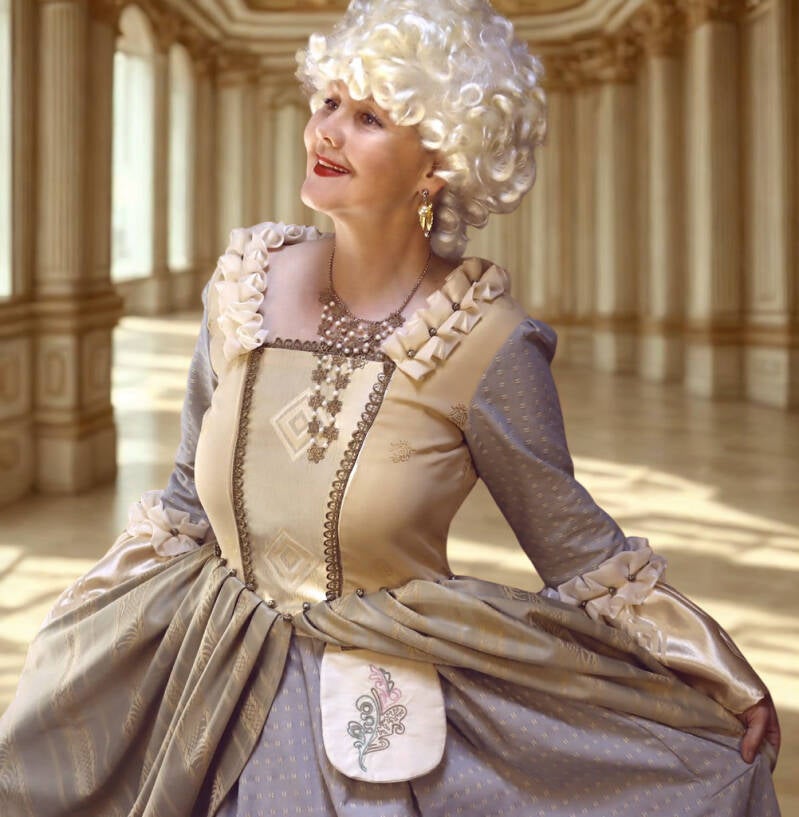
Solving the Puzzle
People sometimes imagine that I simply buy a pattern and start sewing.
In reality, every commission is a puzzle.
I combine knowledge from pattern drafting, existing patterns and years of practical experience. Sometimes several patterns need to be merged into one. Sometimes I draw new pieces myself. Sometimes I simply know that something will work because I have made similar constructions before.
Experience teaches things that no book can explain.
Much of my work happens in my imagination before I even touch the fabric. I constantly visualise the next step, asking myself how the garment will drape, move and look once it is finished.
Good Is Better Than Perfect
There is something else that many people do not see.
I am rarely completely satisfied with my own work.
Sometimes I carefully pack a commission, send it to the client and secretly wonder if it is good enough. Then an email arrives saying, "Phenomenal craftsmanship," or "The quality is outstanding," or "It is even more beautiful than I imagined."
Only then do I look at my own work with kinder eyes.
Perhaps that is something many artists recognise. We always see the tiny details that could still be improved.
For me, perfection is not really the goal.
Historical clothing was never perfect either. It was made by skilled hands, with the tools and knowledge available at the time. What matters is that a costume feels authentic, tells a convincing story and is made with care, strength and respect for traditional craftsmanship.
I aim for excellent quality, durability and historical credibility. That is already a very high standard.
Looking Towards the Future
When I started Historique Couture, I simply wanted to create beautiful historical clothing.
Today I dream a little bigger.
Perhaps one day my work will be recognised not because of clever marketing or because a large company stands behind my name, but because people know the craftsmanship. Because they recognise the attention to detail, the quality of the materials and the passion behind every stitch.
If that happens, it will not be because I tried to become famous.
It will be because I never stopped learning, never stopped improving and never stopped believing that true craftsmanship still has a place in today's world.
And that, to me, is a dream worth working for.
Add comment
Comments