Smocking: From Old-Fashioned to Medieval Magic
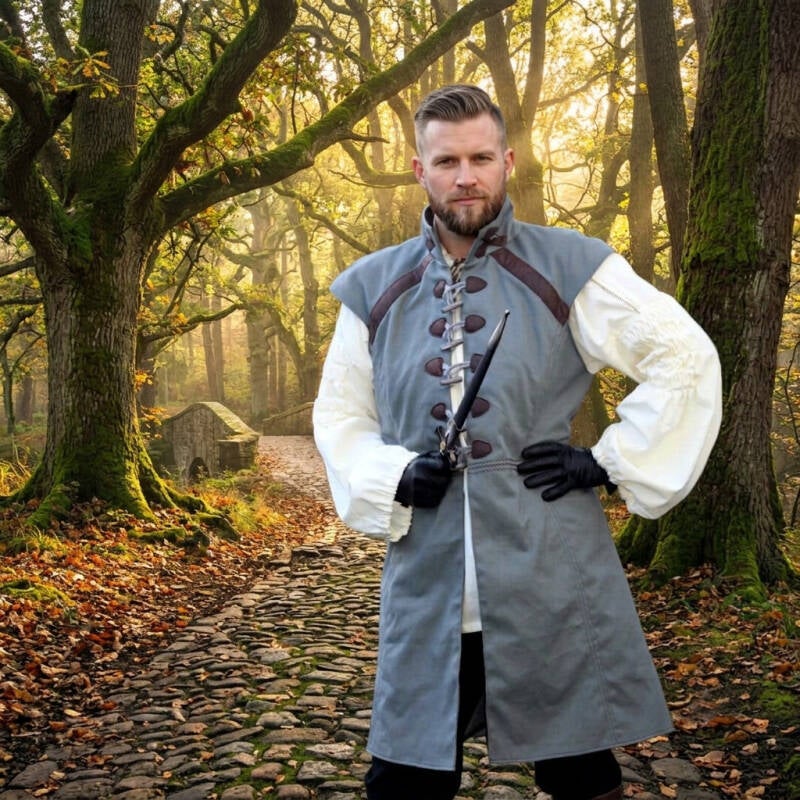
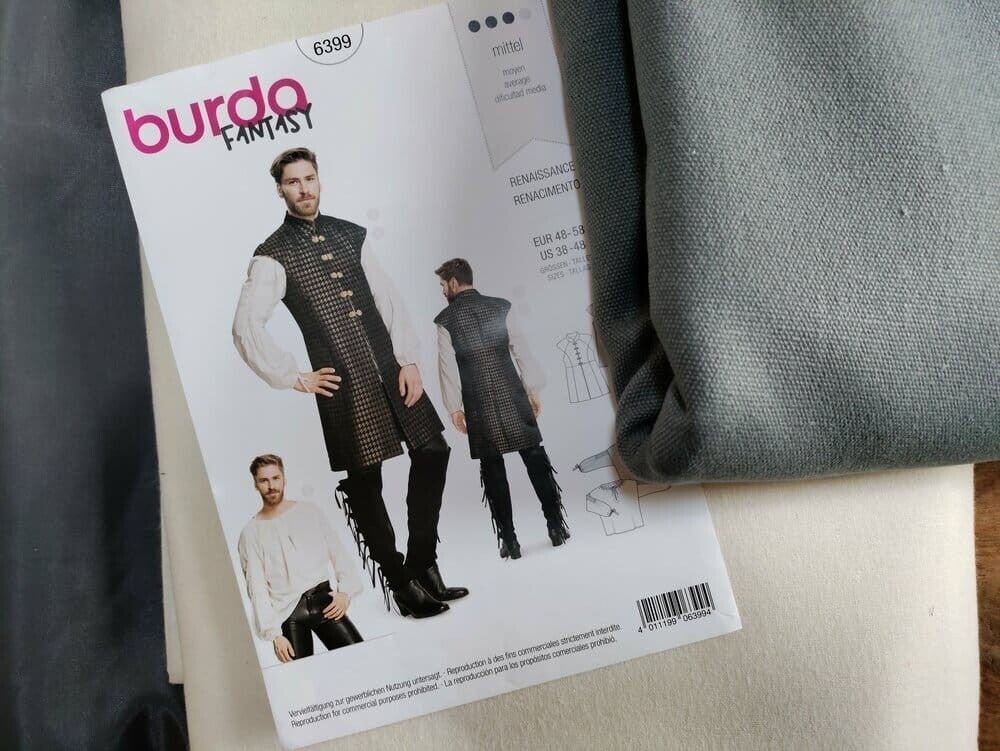
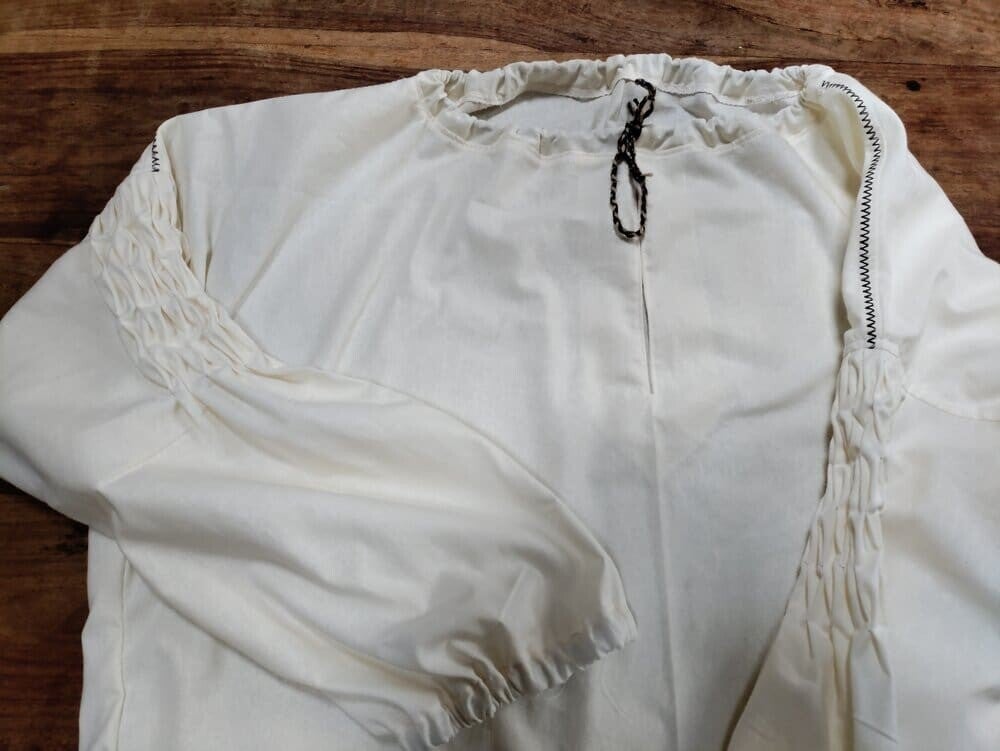
A little while ago, I made a complete medieval and LARP outfit from a Burda sewing pattern.
It was quite a project. The outfit consisted of a jacket with cape sleeves, a shirt, and chaps for the legs. I was busy with it for quite some time, and every part had its own little challenges.
When I finally started on the blouse, I thought:
Piece of cake.
Well… it was almost.
The blouse itself was not particularly difficult. But then smocking came around the corner.
And I have to admit: I had never been a great fan of smocking.
Smocking? Really?
For years, I associated smocking with old-fashioned, rather fussy clothing.
You know the kind of thing I mean. Little dresses, very neat embroidery, lots of tiny stitches and something that always looked as if it belonged in an old sewing magazine.
It seemed to me like a sewing technique designed for women who had far too much time on their hands!
At least, that was the impression I had from the magazines and books I had seen.
So when I discovered that my medieval and LARP blouse required smocking, my first reaction was not exactly:
How wonderful! I have always wanted to do this!
But I am a dressmaker, and I am always curious about traditional sewing techniques.
So I gave it a try.
And then something rather unexpected happened.
When the blouse was finished, I looked at it and thought:
Eureka!
This was not old-fashioned at all.
It was exactly right.
What is smocking?
Smocking is a traditional sewing technique that gathers fabric while still allowing it to stretch and move.
Before modern elastic fabrics became common, techniques such as smocking offered a clever way to make woven fabric more flexible.
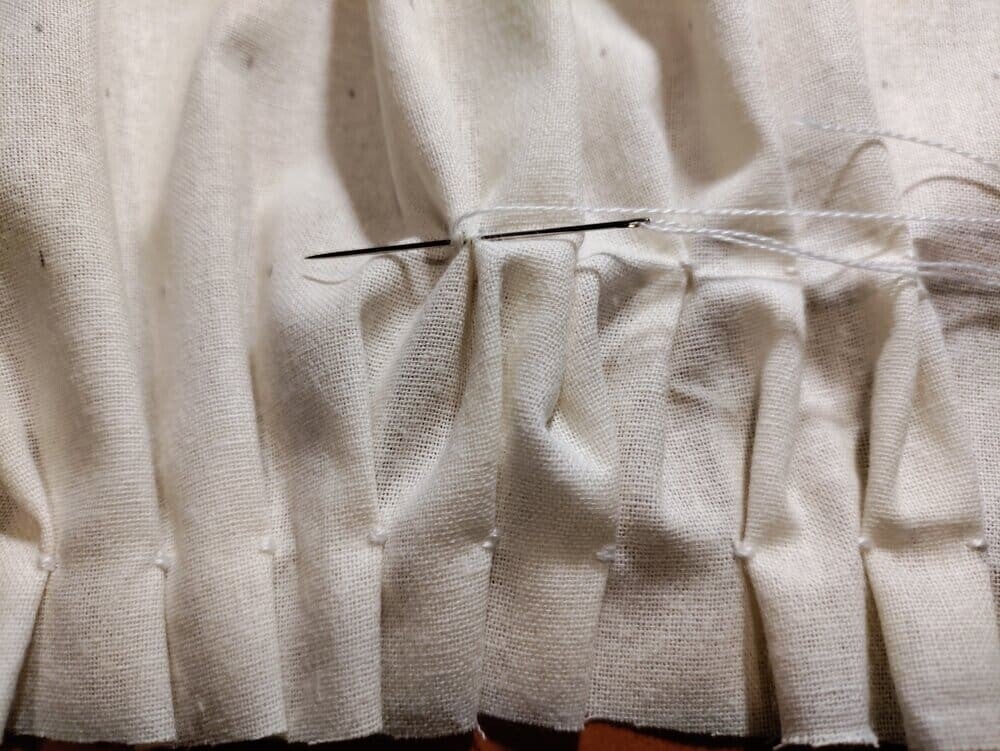
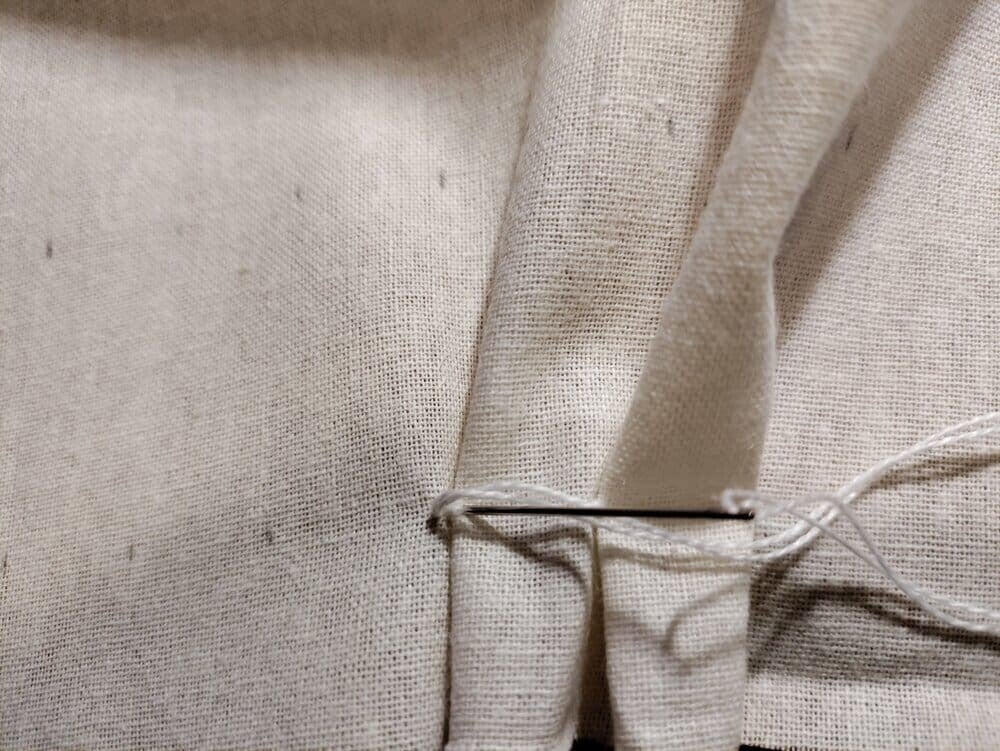
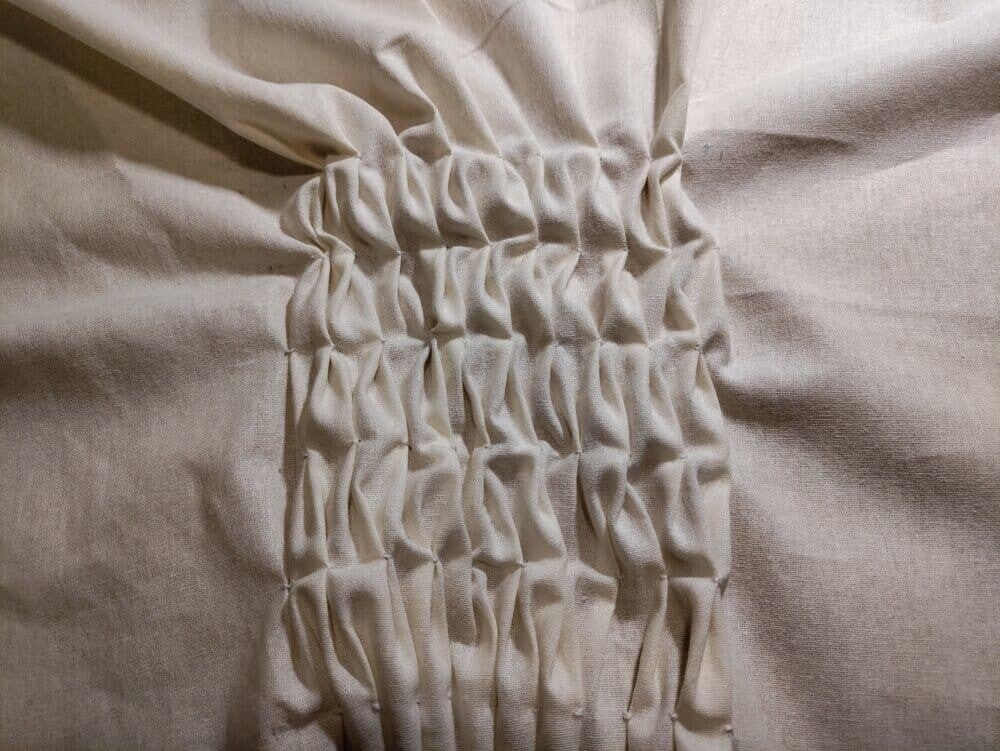
The fabric is first gathered into small, regular folds. These gathers are then held together with decorative stitches.
The result is both practical and beautiful.
Depending on the pattern, smocking can create diamonds, waves, honeycomb shapes and many other decorative designs.
It can be very simple, or incredibly elaborate.
And when you see it on a historical garment, you begin to understand why the technique has survived for so long.
And suddenly, it made sense
Once I had finished my medieval blouse, I understood something I had completely missed before.
Smocking is actually a wonderful technique for historical clothing.
Medieval garments were made from woven fabrics. There was no modern stretch jersey and no comfortable elastic hidden inside the garment.
Clothing still had to allow people to move, work, ride horses and go about their daily lives.
Smocking could provide some of that flexibility while also adding decoration.
But there is another reason I think it works so well.
It gives the fabric texture.
And texture is incredibly important in historical and fantasy costumes.
A simple piece of linen or cotton can suddenly look much richer when it has carefully worked smocking.
It gives the garment that handmade quality that is so difficult to reproduce with modern mass-produced clothing.
I started noticing it everywhere
After making that blouse, I began seeing smocking in a completely different way.
Suddenly, I noticed it more often in medieval-inspired clothing.
I saw it in historical costume references, fantasy clothing and LARP garments.
And it is not limited to simple peasant clothing either.
Smocking can also be found as a beautiful detail in more luxurious costumes and elaborate fantasy designs.
I even started noticing versions of it in high-end cosplay costumes.
That was when I realised that I had probably been judging this technique far too quickly.
It was not “old-fashioned sewing for ladies with too much spare time”.
It was a clever and beautiful way of working fabric.
And perhaps that is one of the joys of sewing: sometimes a technique you thought you would never use suddenly becomes one of your favourites.
Smocking in LARP and cosplay
For LARP costumes, smocking can be especially useful.
It works beautifully on blouses, sleeves, cuffs and necklines. It can make a costume look less like a modern garment and more like something that has genuinely been worn by a character from another world.
For cosplay, it can add another level of detail.
A costume can be perfectly constructed and still look a little too clean or modern. Traditional textile techniques can help change that.
Smocking adds a handmade, historical feeling without needing lots of additional decoration.
And because the technique itself becomes part of the design, you do not necessarily need expensive trims or elaborate embellishments.
The fabric does the work.
The thread does the work.
And your hands do the rest.
Is smocking difficult?
I would not call it difficult, but I would definitely call it patient sewing.
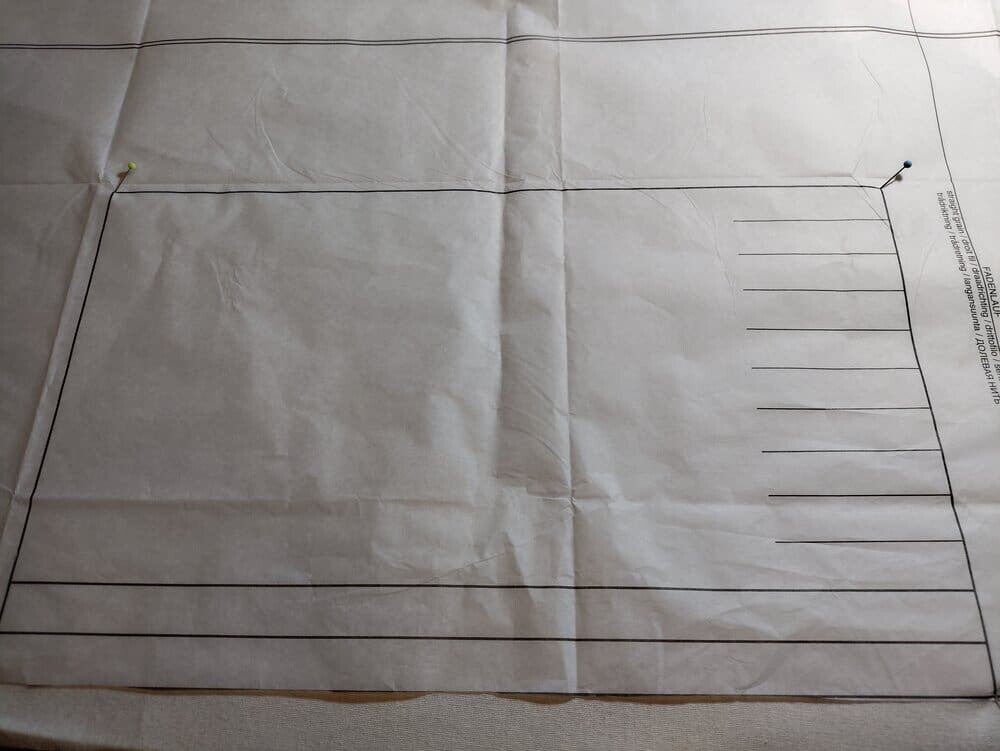
The preparation is important. The fabric needs to be marked carefully, and the gathers need to be even.
Then comes the actual stitching.
It is one of those techniques where rushing is not your friend.
If you enjoy precise sewing, however, it can be wonderfully satisfying.
There is something very relaxing about watching a flat piece of fabric slowly transform into something with structure and texture.
And, yes, it does take time.
But I have changed my opinion about that.
Perhaps some sewing techniques are worth taking the time for.
A technique worth rediscovering
One of the things I love about historical costume making is that it constantly brings old techniques back to life.
We have so many modern sewing conveniences today, and I certainly appreciate them. But sometimes an old technique works beautifully for a reason.
Smocking is a perfect example.
What I once thought looked fussy and old-fashioned turned out to be practical, decorative and surprisingly versatile.
It also reminded me that historical sewing is not simply about making something that looks old.
It is about understanding how people worked with fabric before modern materials and technology changed the way we make clothing.
And once you understand that, the little details suddenly become much more interesting.
So, would I use smocking again?
Absolutely.
In fact, I now look at sewing patterns rather differently when I see smocking mentioned.
Instead of thinking, Oh no, not smocking, I think:
What could I do with this?
It is a wonderful technique to have in your sewing toolbox, especially if you enjoy medieval clothing, LARP, historical costumes or elaborate fantasy and cosplay costumes.
And perhaps the best lesson I learned from that blouse is a very simple one:
Never judge a sewing technique before you have tried it.
Sometimes the thing you thought was old-fashioned and fussy turns out to be exactly the detail your costume was missing.
For me, smocking went from “Why on earth do I have to do this?” to:
“Eureka! This belongs here.”
And that is a rather nice journey for a little bit of thread and fabric.
Add comment
Comments