
When Black Is Not Just Black: Finding the Perfect Twilight Black
Sometimes, a costume commission starts with a colour.
Not a complicated colour, not an unusual colour — just black.
Or so I thought.
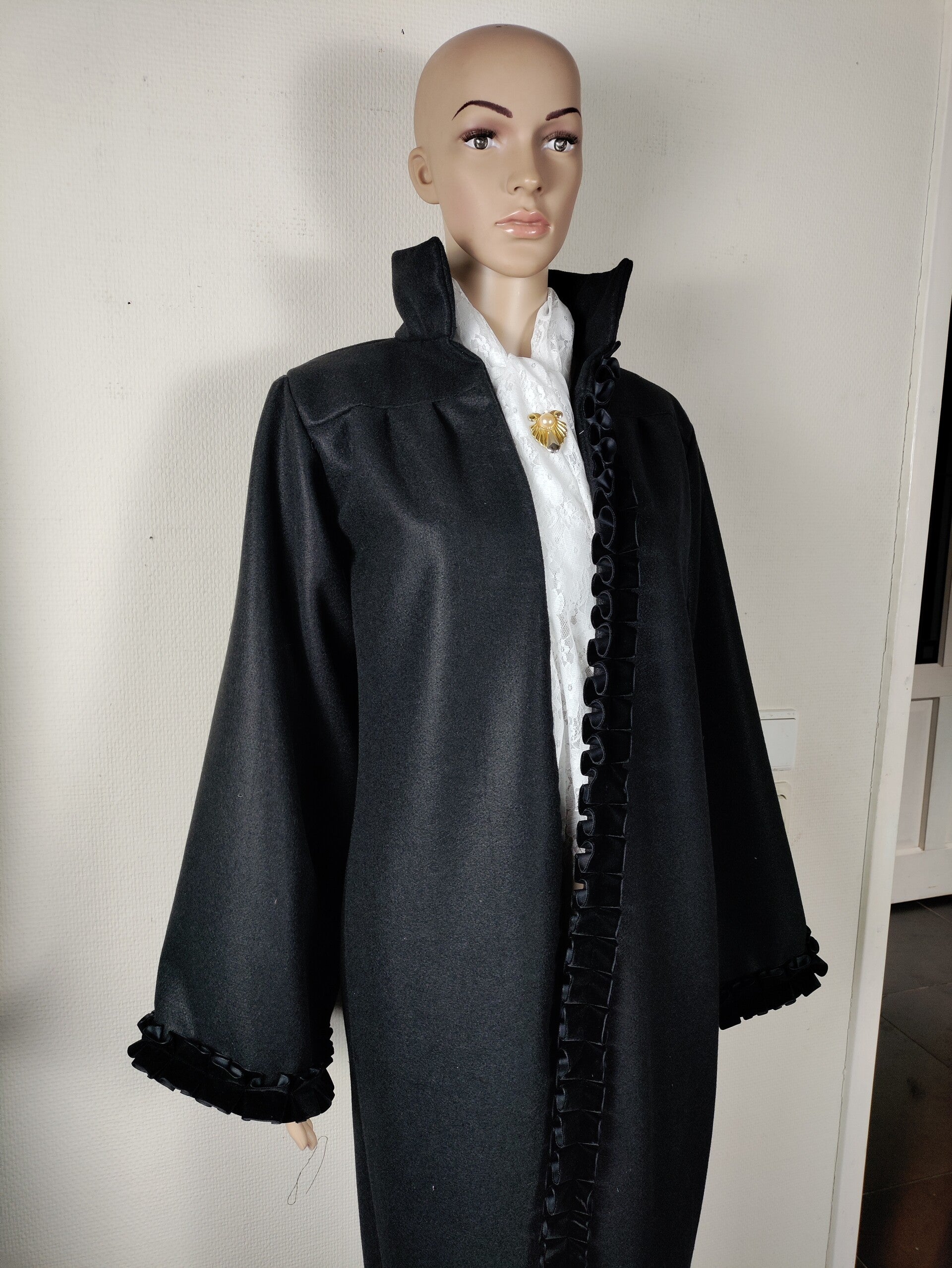
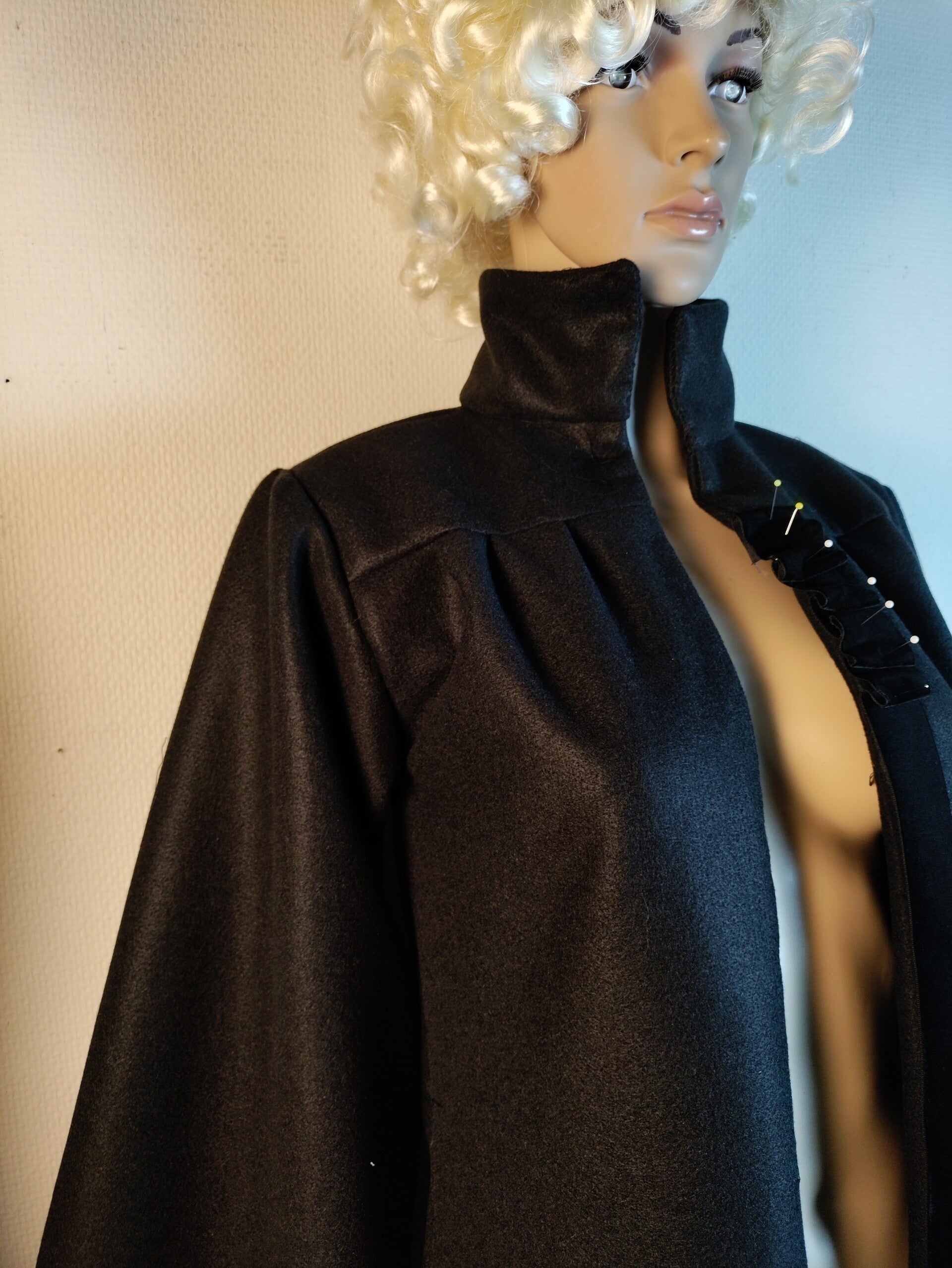
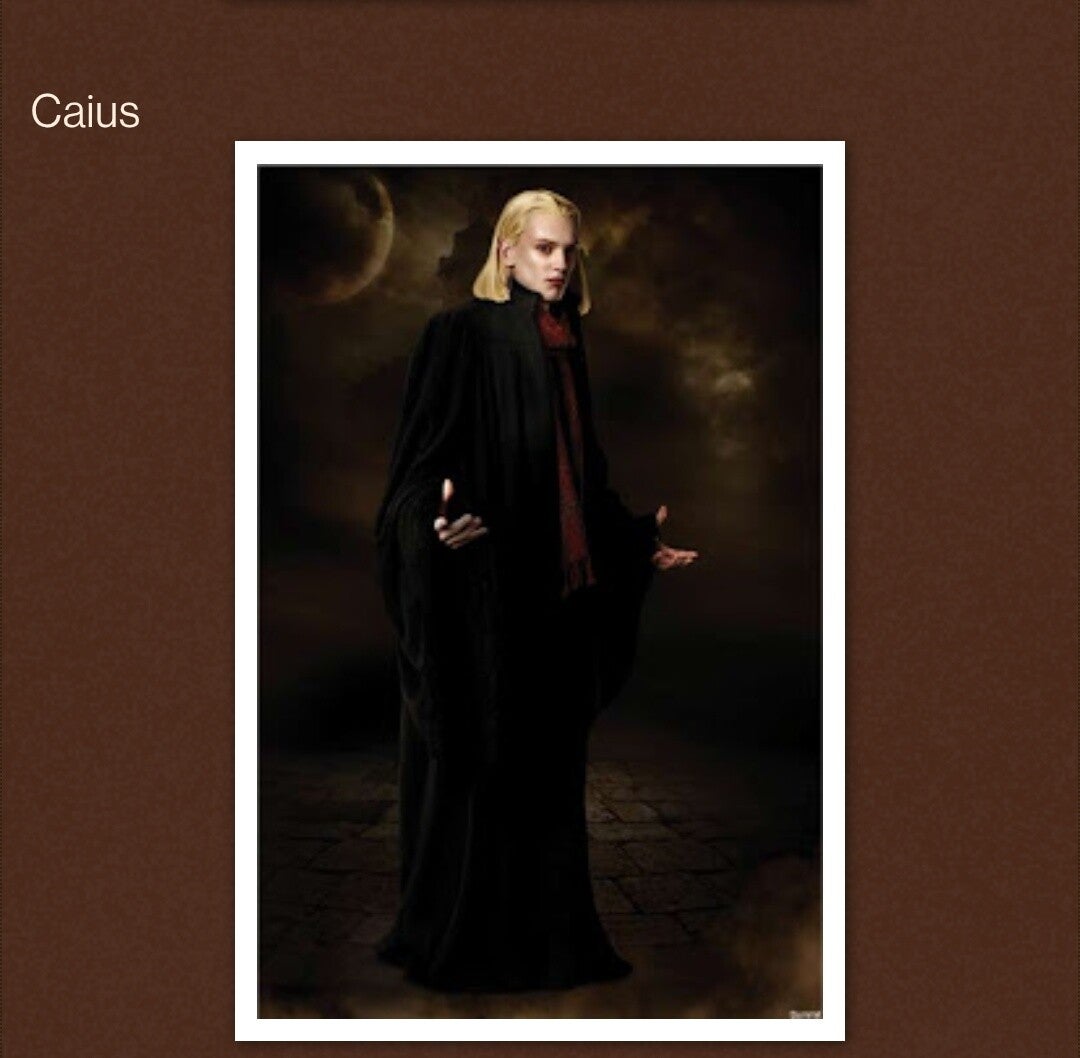
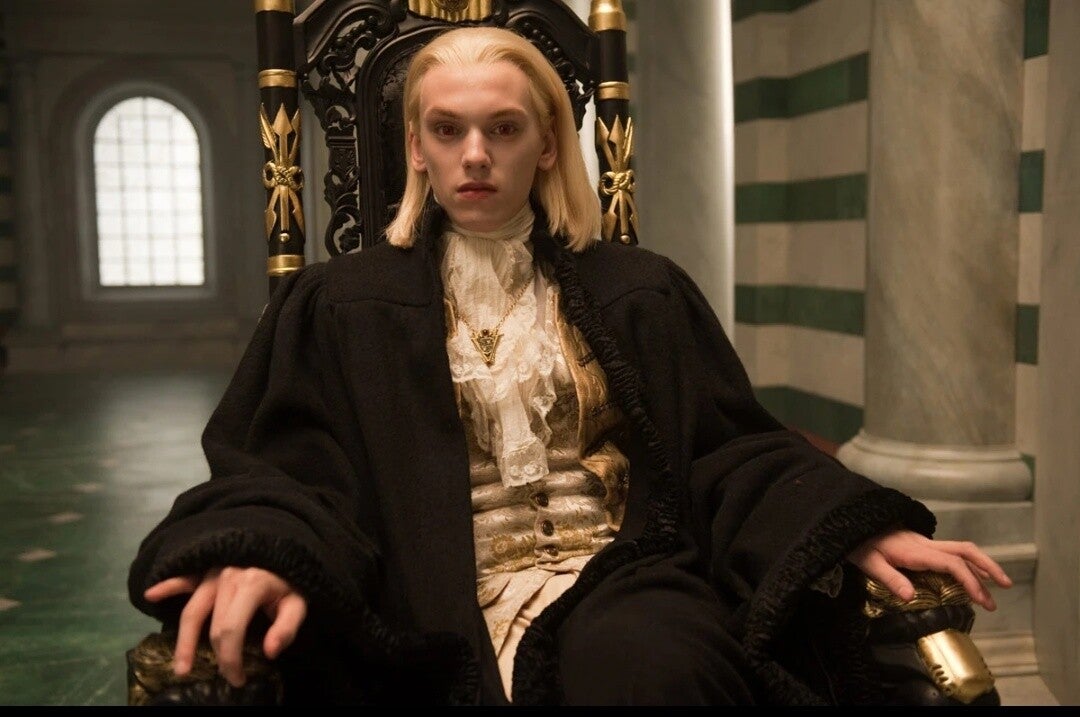
For a recent cosplay commission, I was asked to make a long coat for Caius from The Twilight Saga. As part of my research, I watched several scenes from the films and carefully studied photographs of the character and his costume.
And one thing immediately became clear:
This coat was darker than dark.
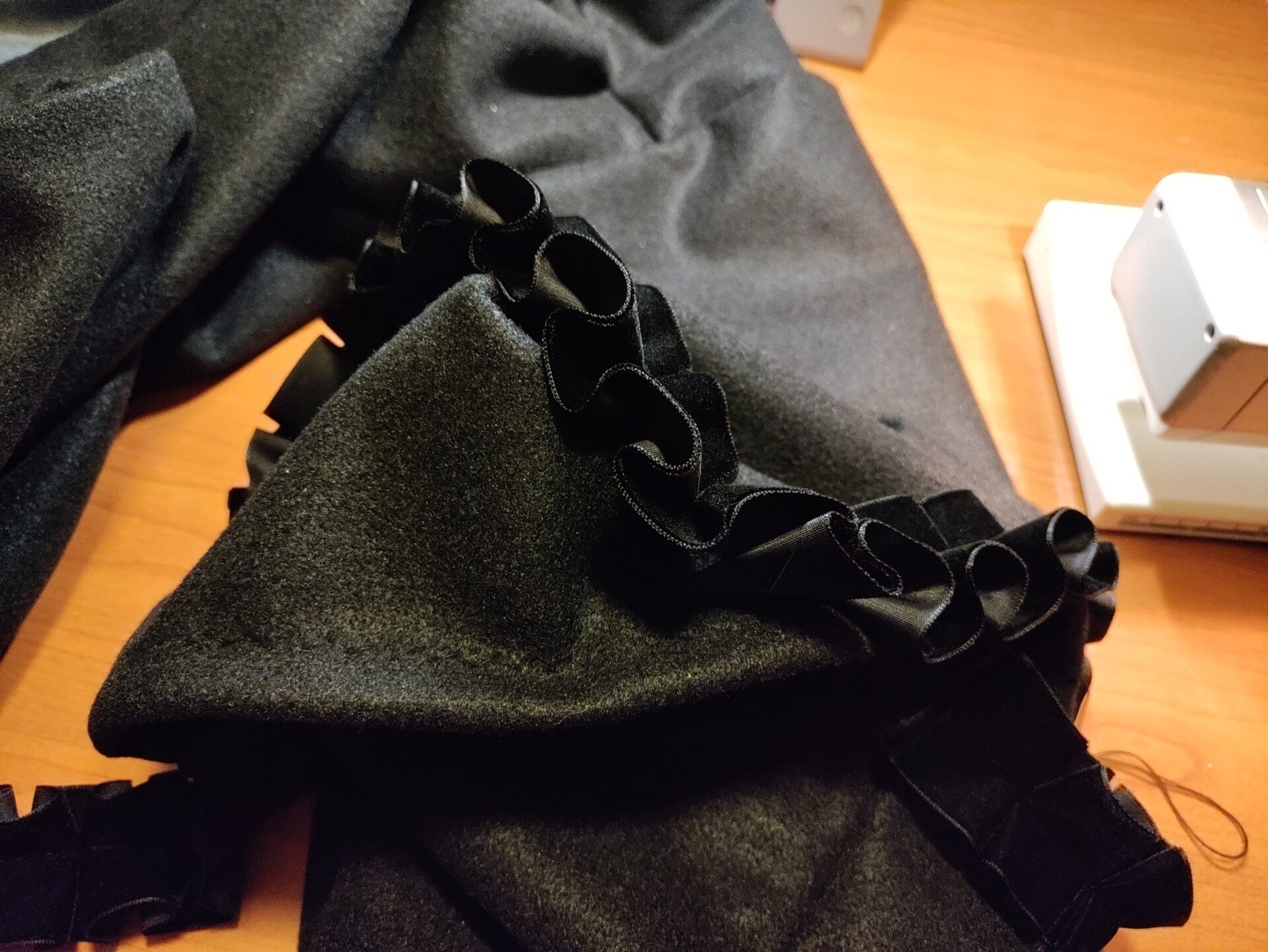
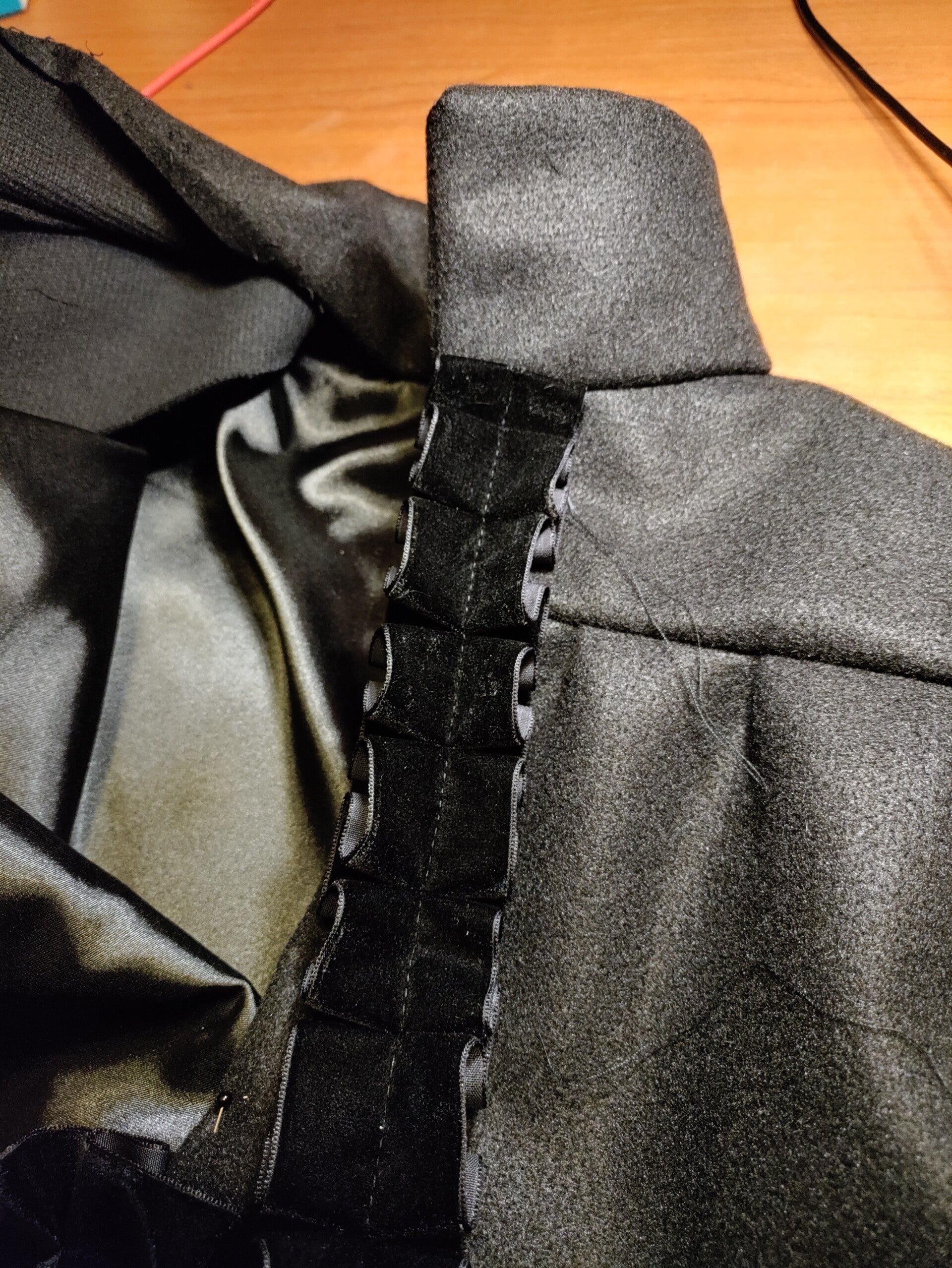
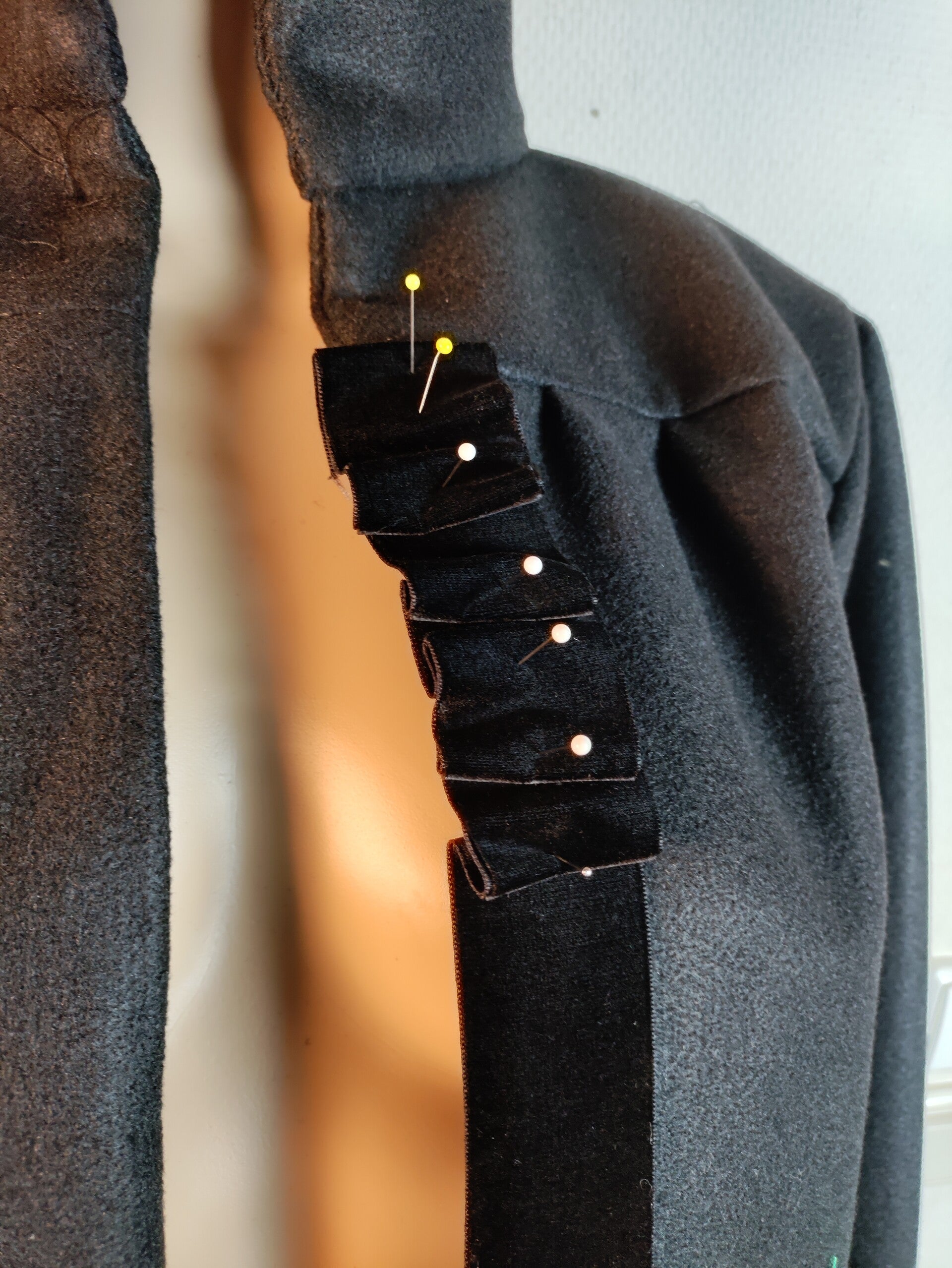
The black was so deep that, in some scenes, it was surprisingly difficult to see where one part of the coat ended and another began. Seams, folds, construction details and even the texture of the fabric seemed to disappear into the darkness.
That made my job rather more interesting.
The problem with finding black fabric
When you start looking for black fabric online, you quickly discover something rather amusing.
There is not simply black.
There is:
-
Jet Black
-
True Black
-
Deep Black
-
Rich Black
-
Midnight Black
-
Raven Black
-
Pitch Black
-
Coal Black
-
Ink Black
-
Onyx Black
-
Charcoal Black
-
Soft Black
-
Blue Black
-
Warm Black
-
Cool Black
-
Black Noir
-
Carbon Black
-
Soot Black
-
Ebony Black
-
Lamp Black
-
Licorice Black
-
Graphite Black
-
Faded Black
-
Washed Black
And these names are not merely marketing. Fabrics described as black can look remarkably different from one another.
Some blacks have a distinct blue undertone. Others are warmer and almost brown. Some are soft and slightly grey, while others are incredibly dense and saturated. Then there are shiny blacks, which can look almost silver when the light catches them.
So I did what I always recommend to other dressmakers and costume makers:
I ordered fabric samples.
Five black fabrics — and five different results
I ordered five samples.
That turned out to be a very good decision.
One black was far too blue. It was definitely black, but it had a cold, almost navy quality.
Another was too dull. It looked more like a faded or washed black than the deep black I needed.
A third had far too much shine. Beautiful fabric, perhaps, but completely wrong for this particular character.
And another sample looked more grey than black once I held it in my hands.
The fifth was closer, but still not quite right.
This is one of those moments when working on a historical or character-based costume becomes rather like detective work. You are not simply choosing something that looks attractive. You are trying to reproduce an impression — sometimes an extremely subtle one.
Fortunately, I had good communication with my client. We exchanged photographs, discussed the details and looked at enlarged images of the original costume.
Slowly, the picture became clearer.
And then I began another search.
Finally: the right black
Eventually, I found it.
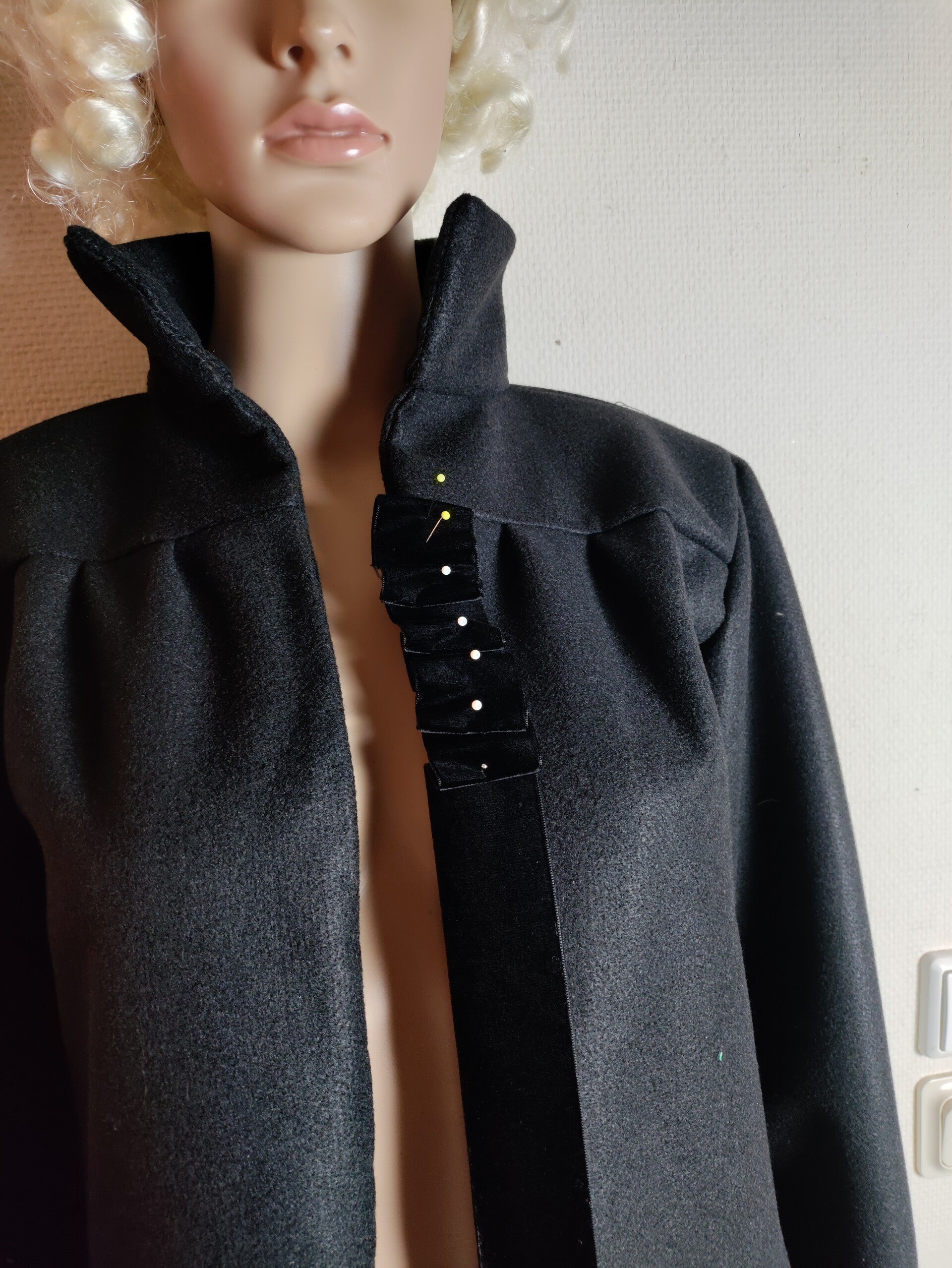
A beautiful wool fabric with a black so deep that it almost seemed to swallow the light.
This was the black I had been looking for.
It was not particularly shiny. It did not look blue, grey or faded. It simply looked incredibly, wonderfully black.
Exactly the sort of black that could disappear into the shadows of a Twilight scene.
And this is where the importance of a fabric sample really becomes apparent.
Had I simply ordered the first black fabric that looked right on my computer screen, I would almost certainly have been disappointed.
Why fabric samples matter
Modern fabric shops are generally very reliable. I buy fabrics online myself, and many specialist fabric sellers provide excellent photographs and detailed descriptions.
But there is one thing that even the best online shop cannot completely reproduce:
the way a fabric looks in real life.
Your computer monitor, tablet or telephone screen changes the appearance of colour. Photography, lighting and editing also influence what you see.
And fabric is not flat colour.
The weave, texture, sheen and way the fibres reflect light all affect how we perceive it.
This is especially noticeable with black.
My advice is therefore simple: always order a sample before buying an expensive piece of fabric for an important project.
And if possible, don't settle for a tiny 5 × 5 cm scrap. I prefer something closer to 10 × 10 cm or even larger when available.
Yes, you may have to pay for it.
But that small expense can save you from buying several metres of completely unsuitable fabric.
Take the sample outside
There is another little trick I highly recommend.
Take your fabric sample outside.
Look at it indoors under artificial light. Look at it beside a window. Then take it outdoors in daylight.
You may be surprised by what happens.
A fabric that looks beautifully black in your sewing room can suddenly reveal a blue or grey undertone in natural light. A fabric that appears rather plain indoors may have a lovely depth when the daylight catches its surface.
For costume making, this can make a considerable difference.
After all, costumes are rarely seen under the exact lighting conditions of your sewing room.
And what happened to the first black?
There is also a rather nice little ending to this story.
The first black fabric I ordered was actually a very beautiful fabric. It simply wasn't the black I needed for Caius.
I liked it too much to let it sit in the cupboard.
So I turned it into something completely different:
a Viking cloak.
That project will be the subject of another story.
This is one of the great pleasures of working with fabric. Sometimes a material that is wrong for one costume turns out to be exactly right for another.
The first black was beautiful.
The second black was right.
And when you are recreating a character whose clothing seems to absorb almost every ray of light, that distinction matters.
So, the next time you are looking for the perfect black, don't trust the little square on your computer screen.
Order the samples.
Hold them in your hands.
Take them outside.
Look at them in different light.
And remember: sometimes black is not just black.
Add comment
Comments