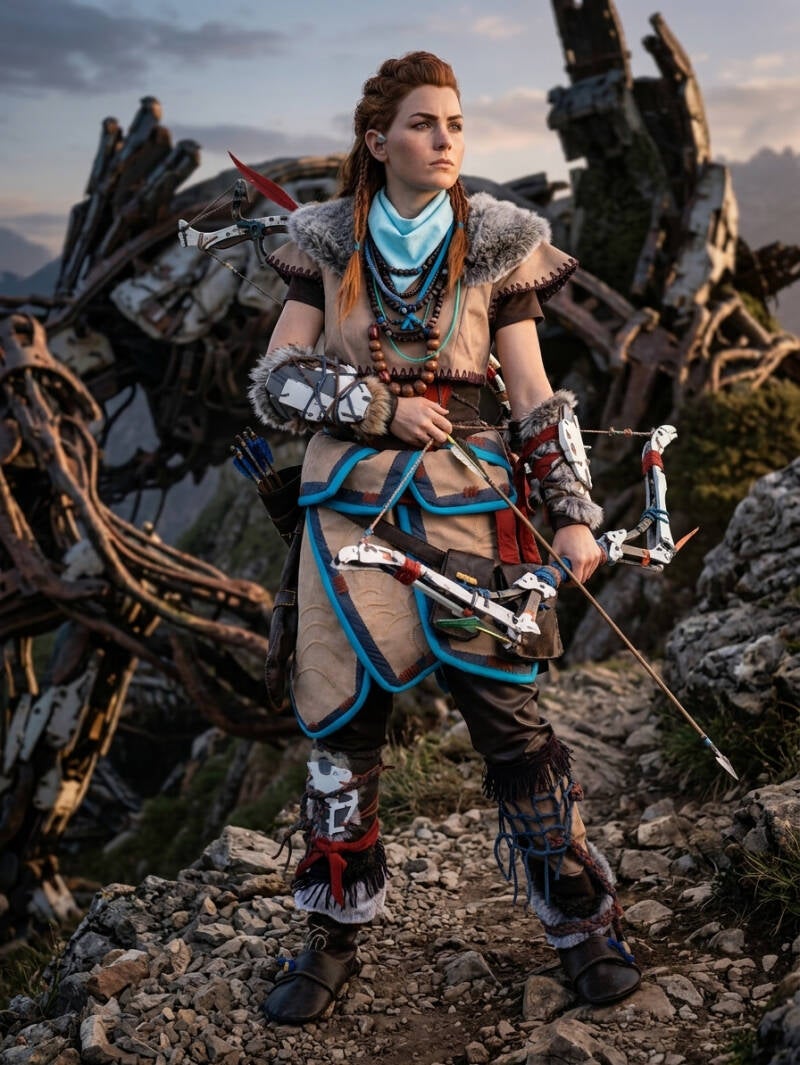
Behind the Costume: A Family Affair
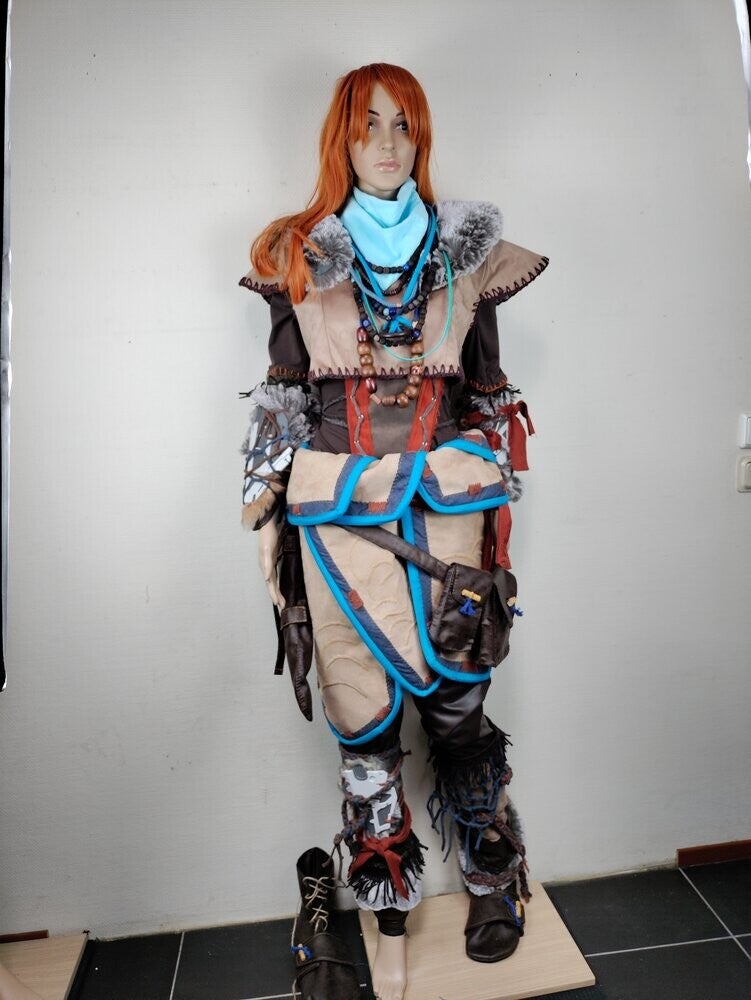
The Making of a Nora Huntress Costume
Some costumes are made by one person, from beginning to end. Others become a family project.
My Nora Huntress costume turned out to be the second kind. Several members of my family helped with different parts of the project, and it took a little over three months before everything was finally finished.
This is the story behind the costume: the searching, the making, the problem-solving and the many small details that you might not notice when looking at the finished outfit.
A Family Effort
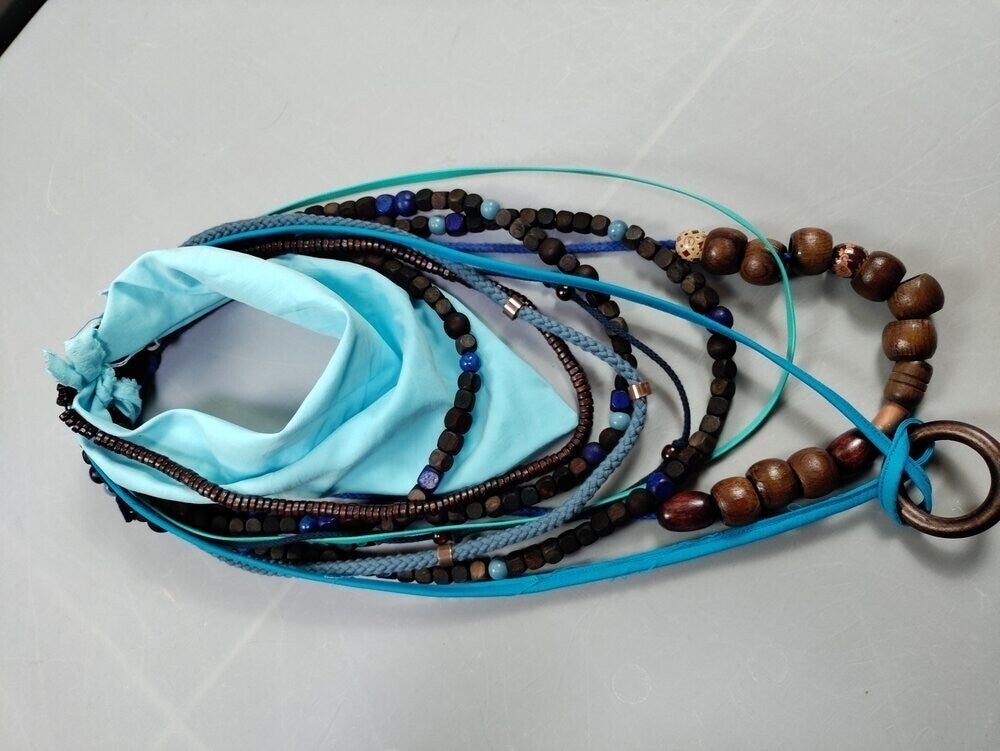
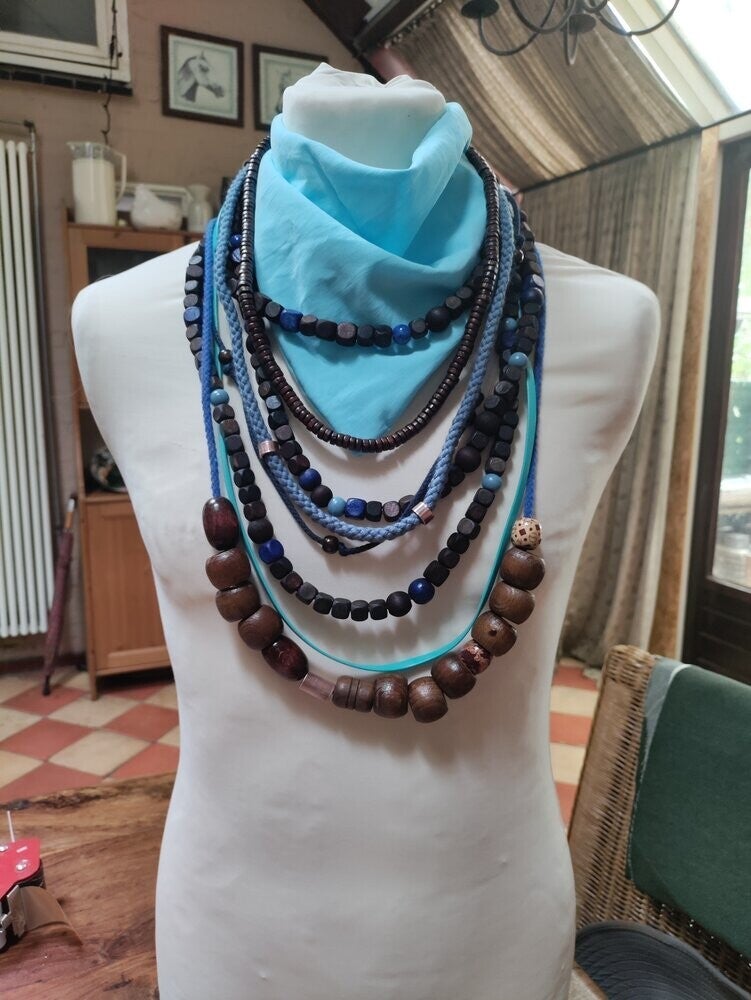
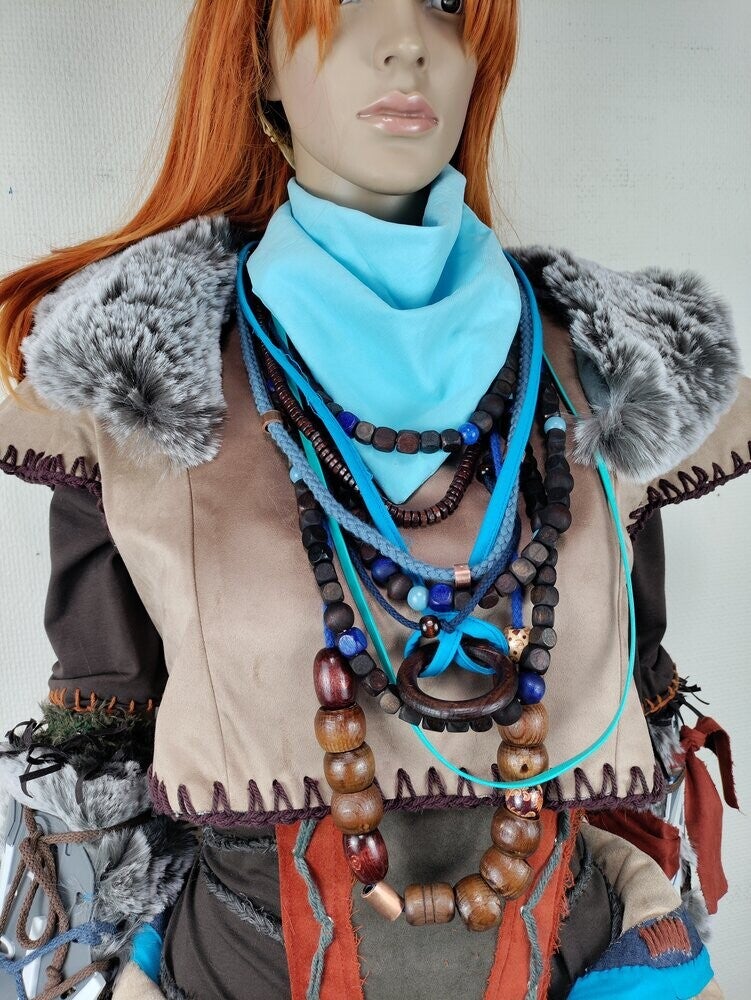
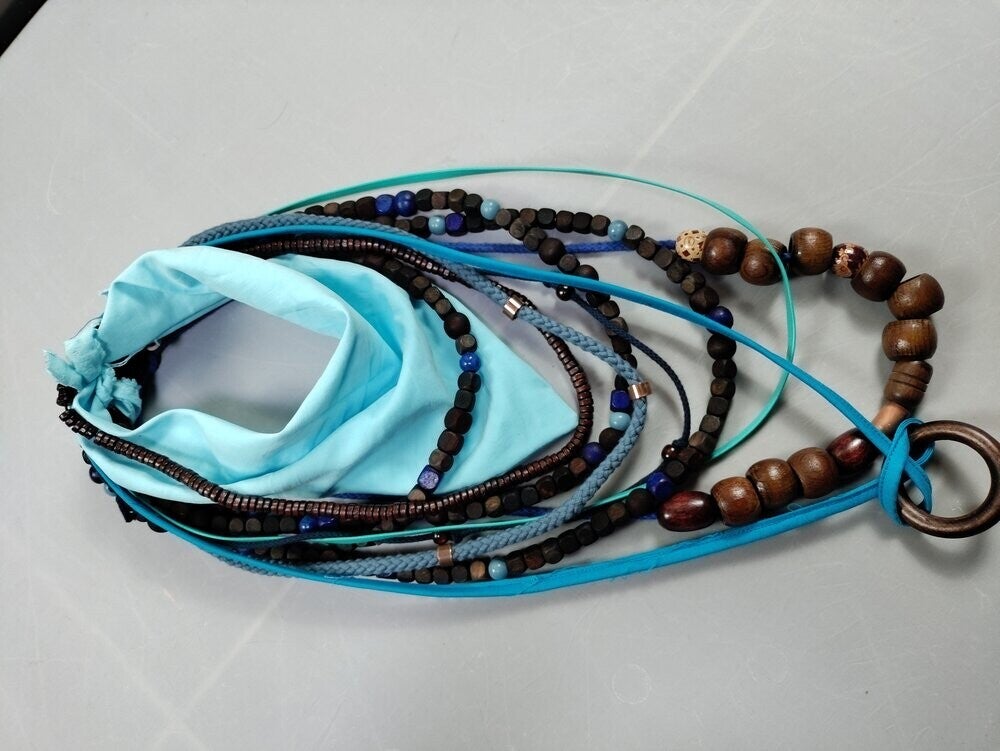
My sister, who lives in a large city, took on the hunt for beads and necklaces. Finding the right ones was not as easy as we had hoped.
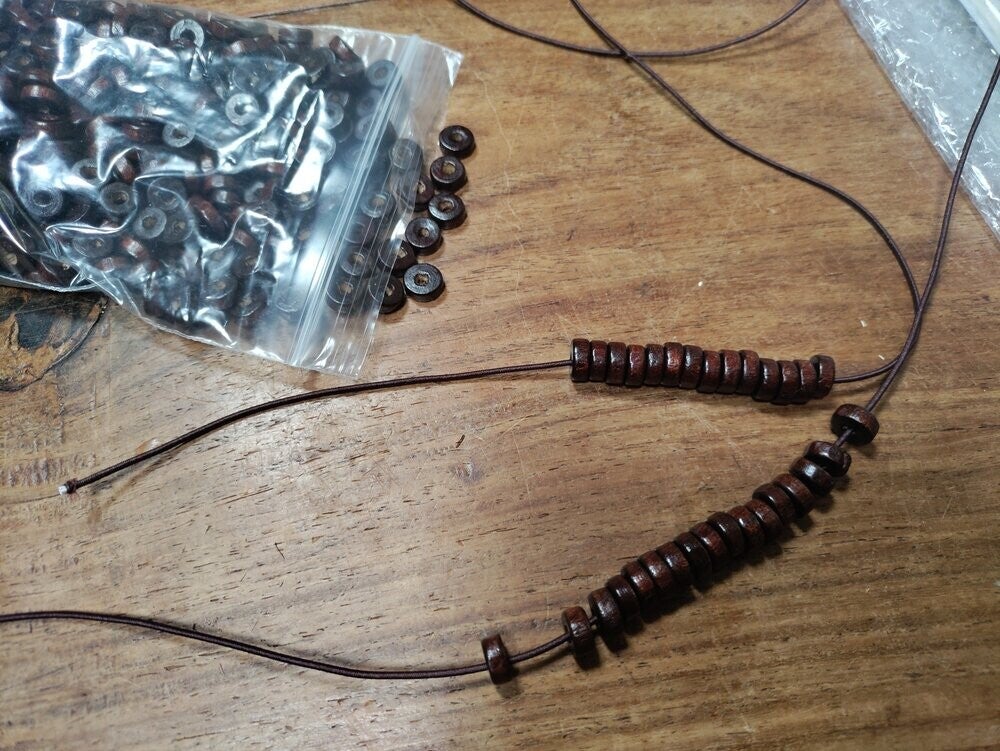
In the end, she was not happy with the necklaces she had found. So she bought plain wooden beads and decided to paint them herself.
She is a painter and has a very good eye for colours, paint and different finishes. This turned out to be a much better solution. The beads were painted by hand, giving them the right colours and appearance for the costume.
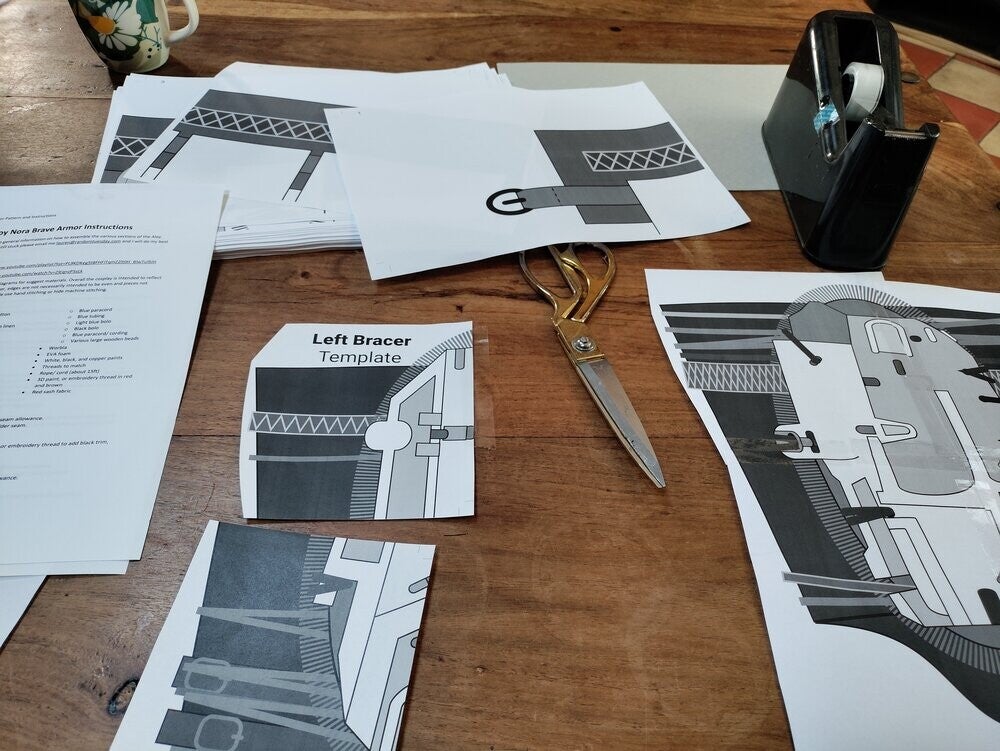
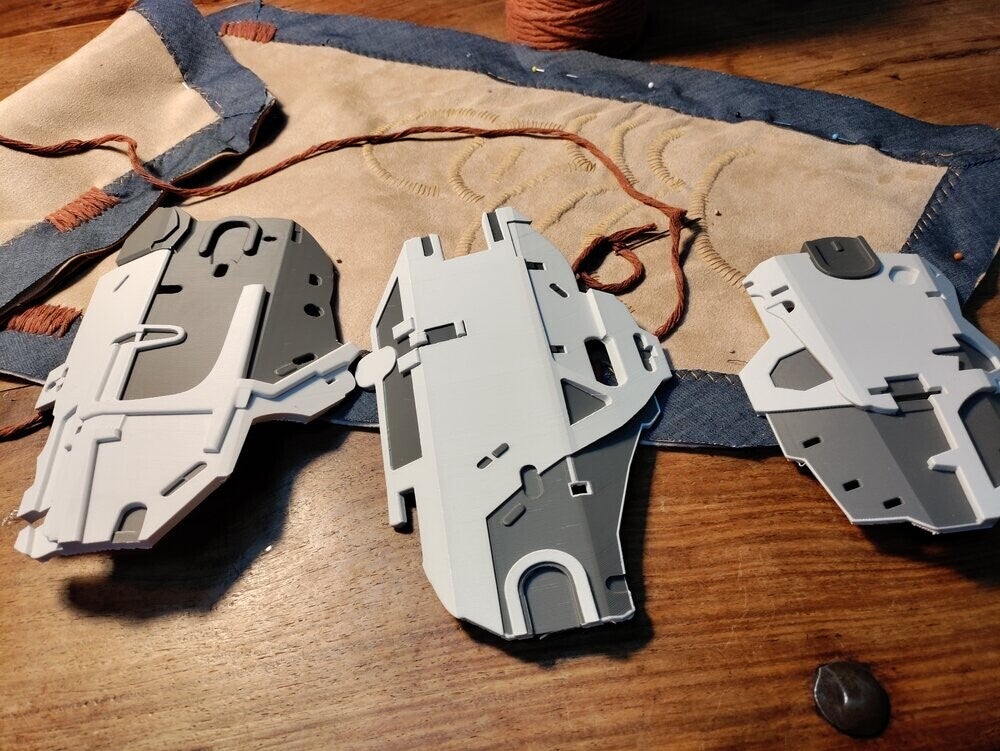
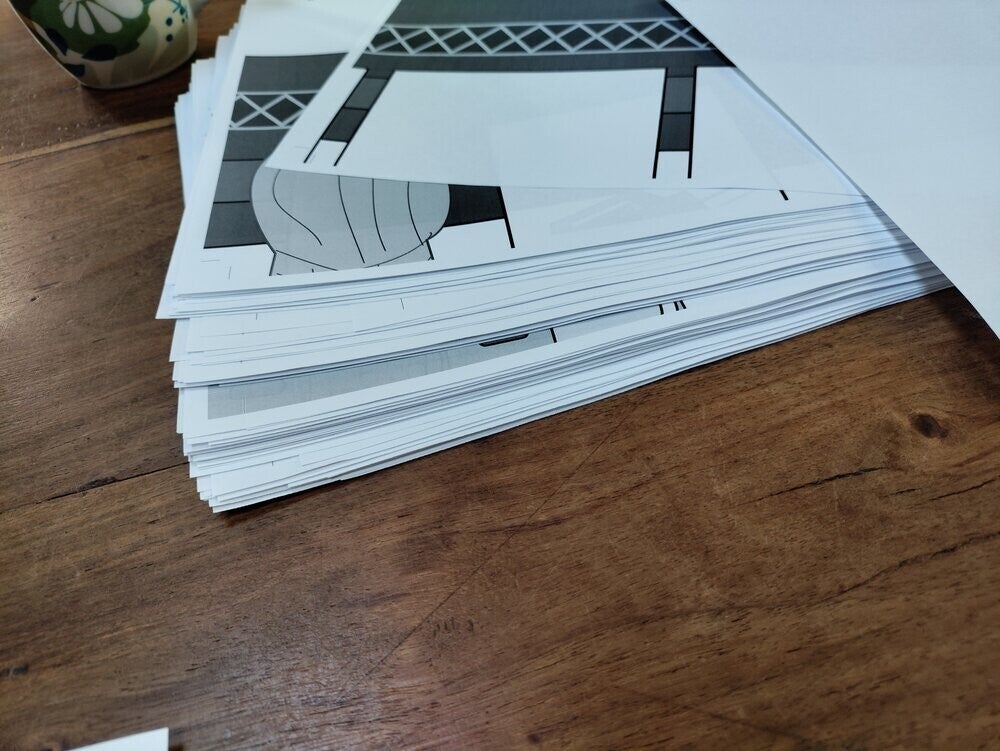
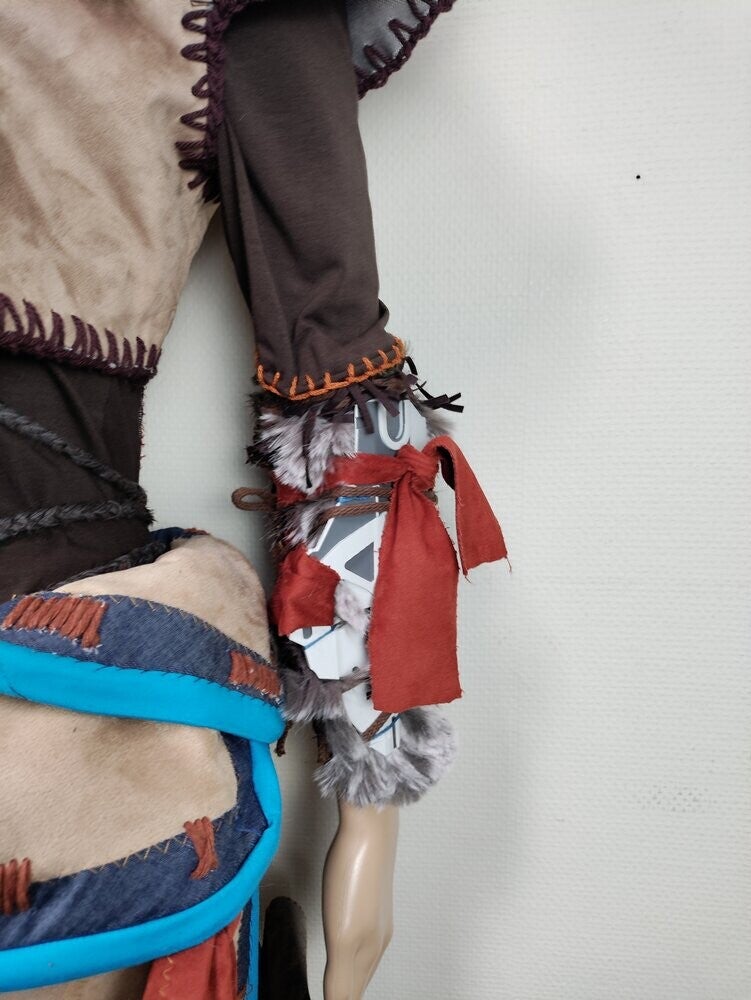
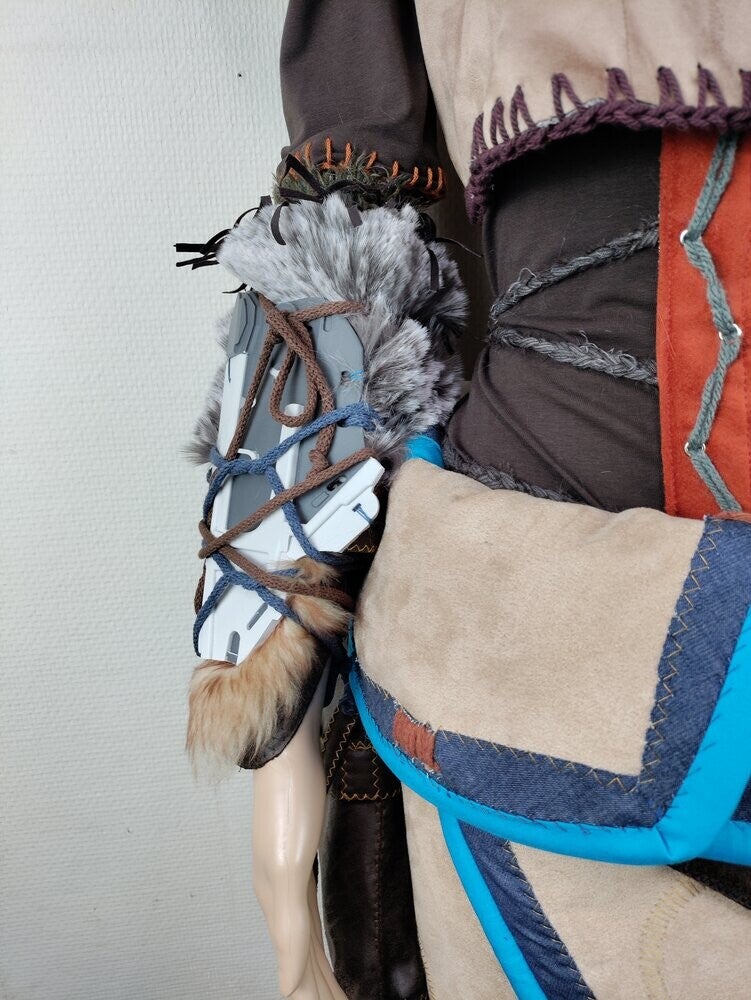
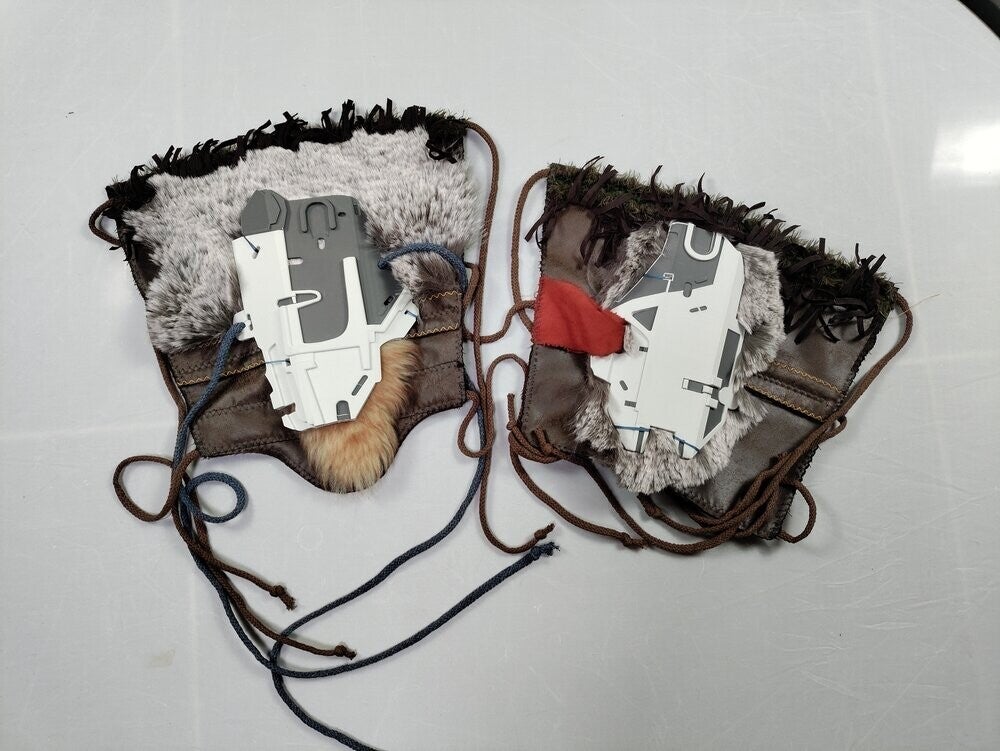
My son took care of the 3D-printed parts.
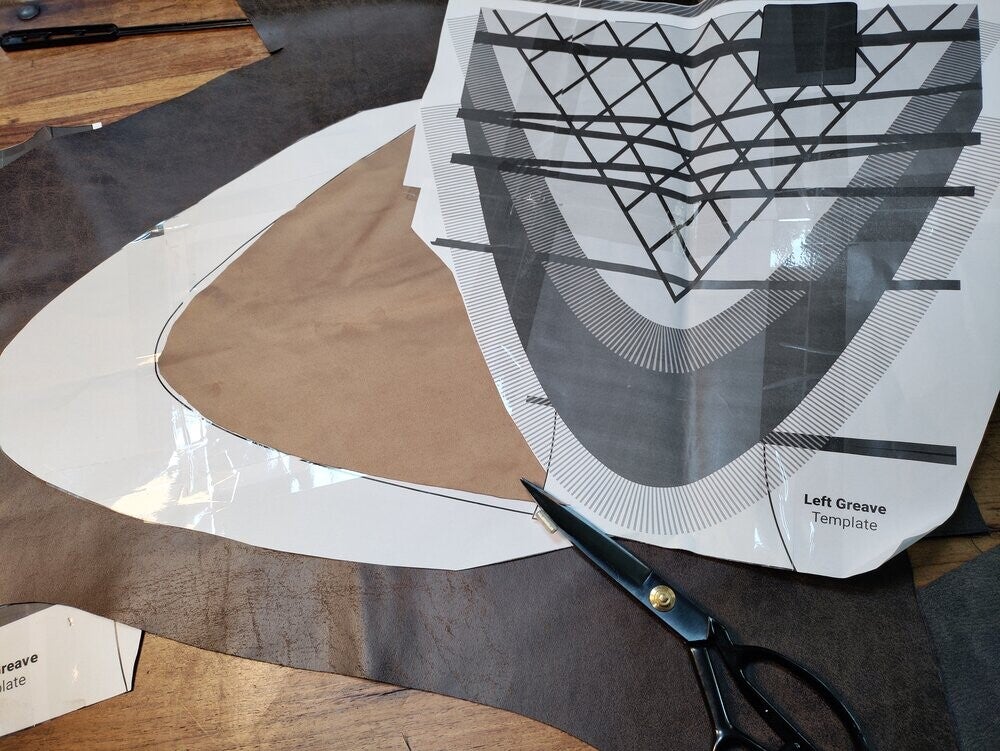
That was quite a project in itself. The templates we found were far too large, the proportions were wrong, and the different reference guides and pictures did not always show the same parts.
There was a lot of comparing, measuring and figuring out which pieces actually belonged to the costume.
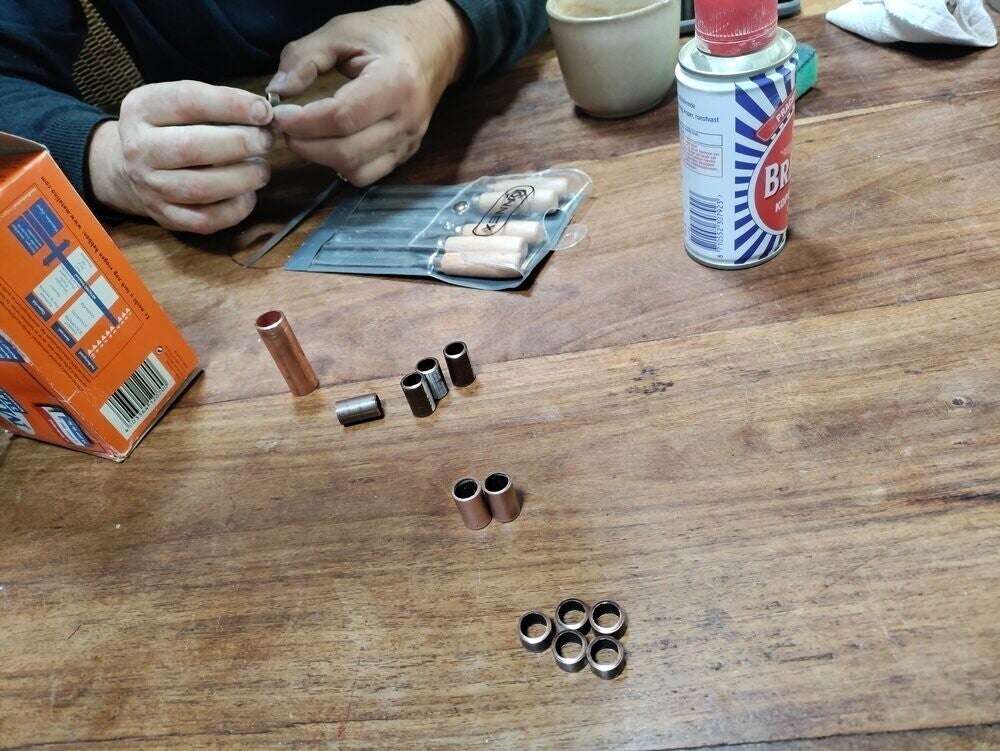
My husband also helped with a small but important detail: the little copper sliders used for finishing the necklace cords.
And, of course, I made the costume itself.
It was a real family effort, with everyone contributing their own skills.
The Search for the Right Materials
One of the most time-consuming parts of making this costume was finding the materials.
When you work from a character reference, you cannot simply walk into a fabric shop and expect to find everything you need.
Take the faux fur, for example.
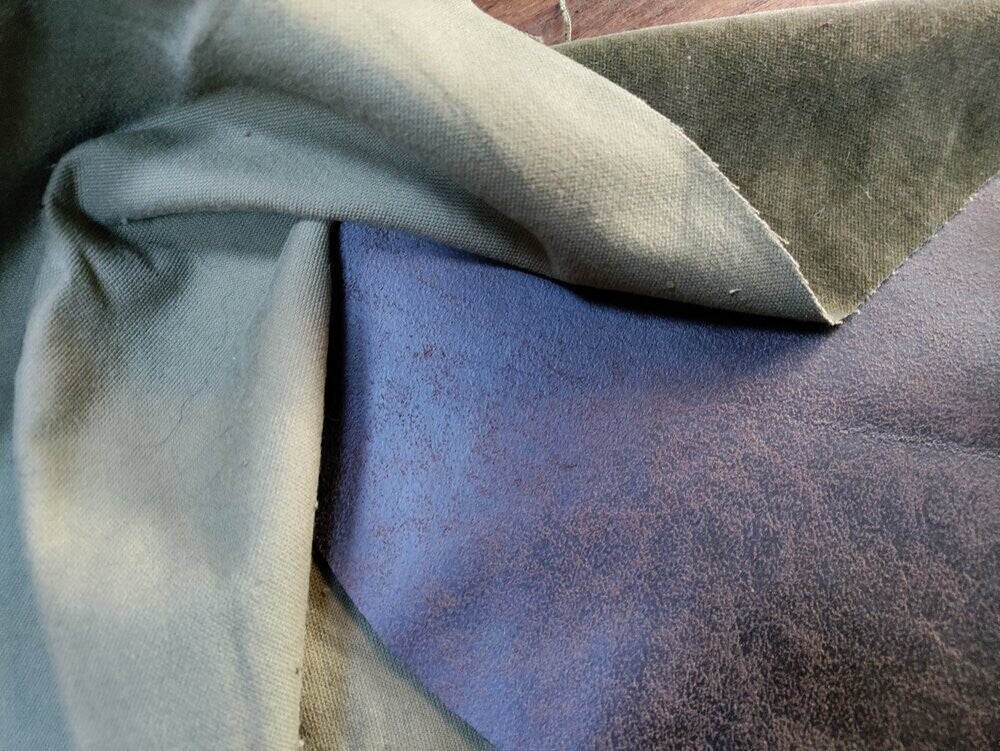
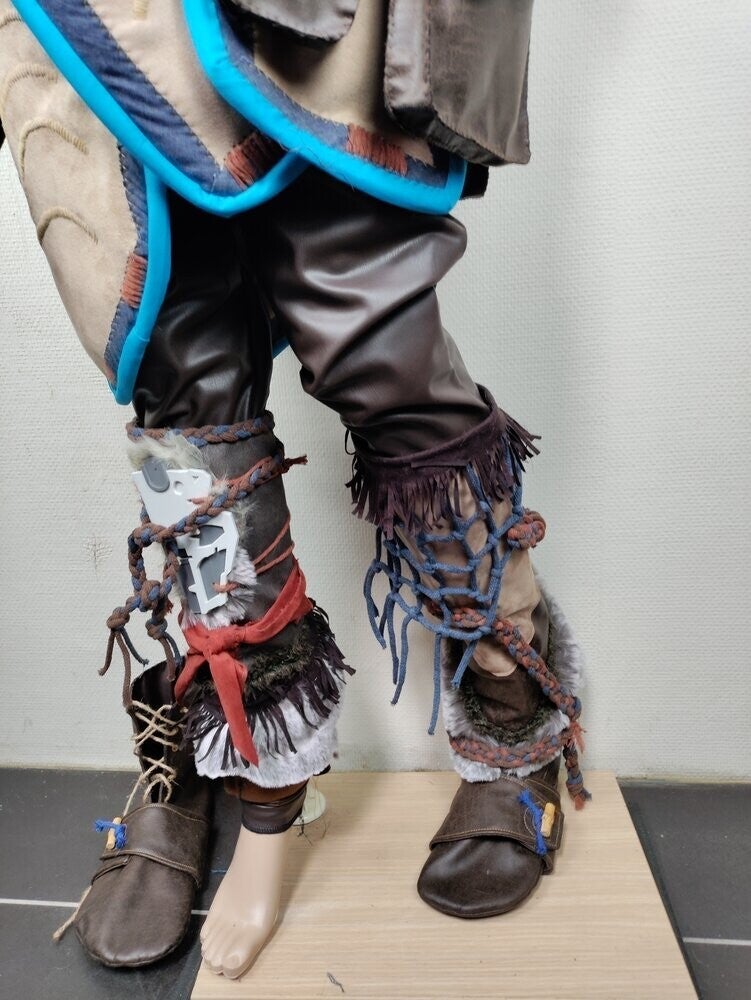
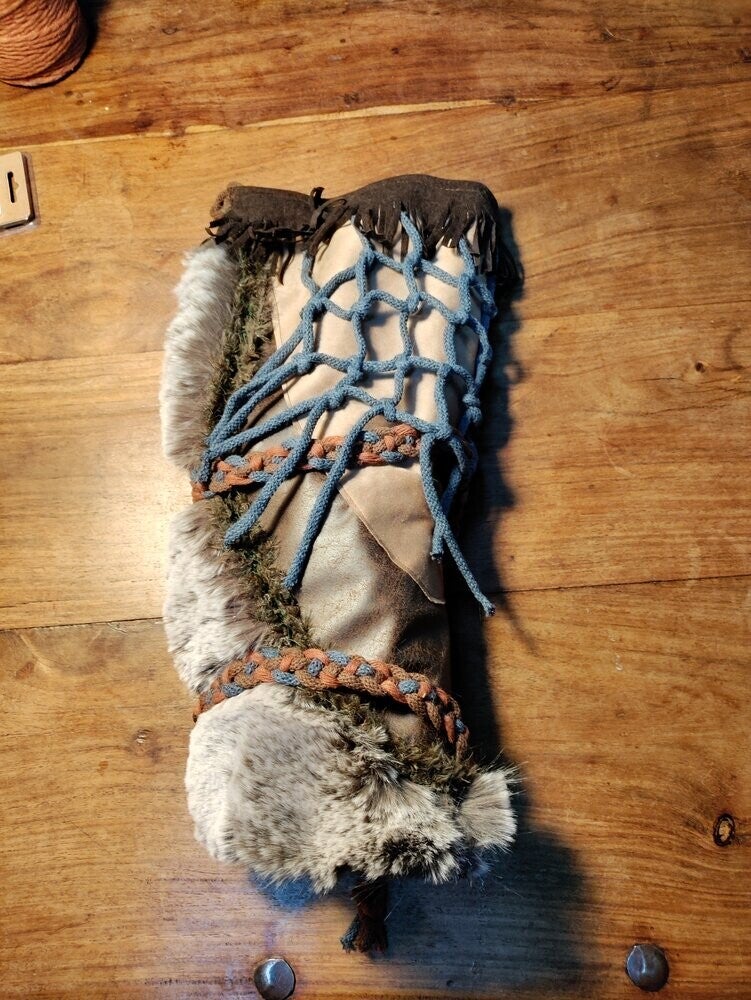
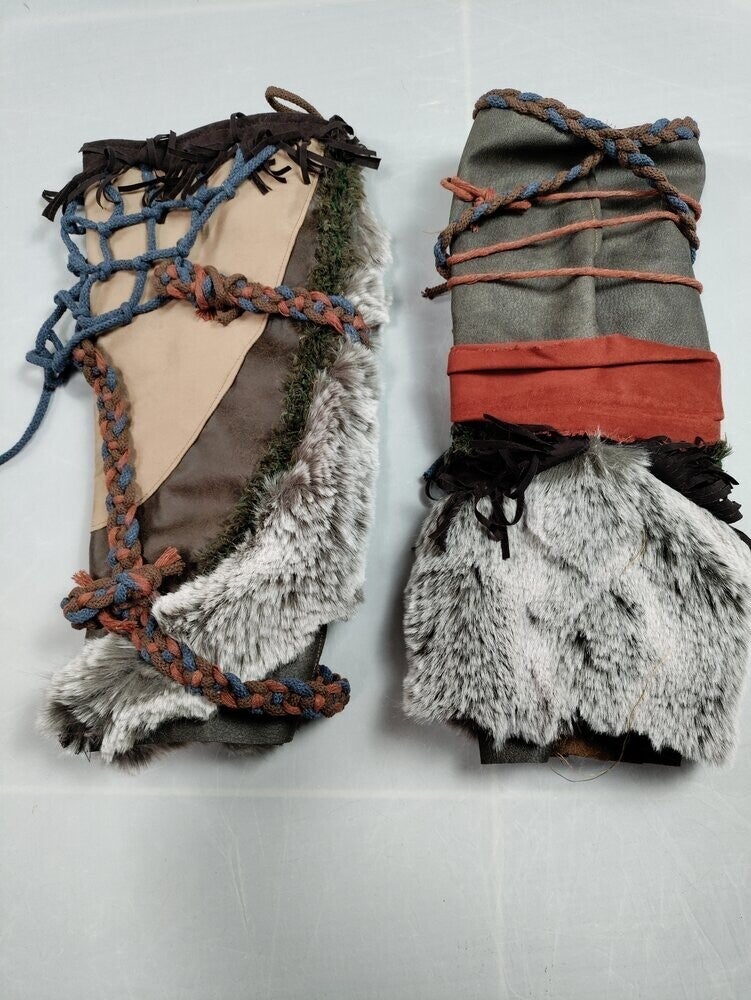
I wanted fur that had the right appearance for the Nora Huntress outfit. It had to look natural, with the right length, texture and colour.
Most faux fur I found in fabric shops was either dyed in the wrong colours or had a texture that did not match the reference pictures.
Eventually, I found exactly what I was looking for. Unfortunately, it was out of stock!
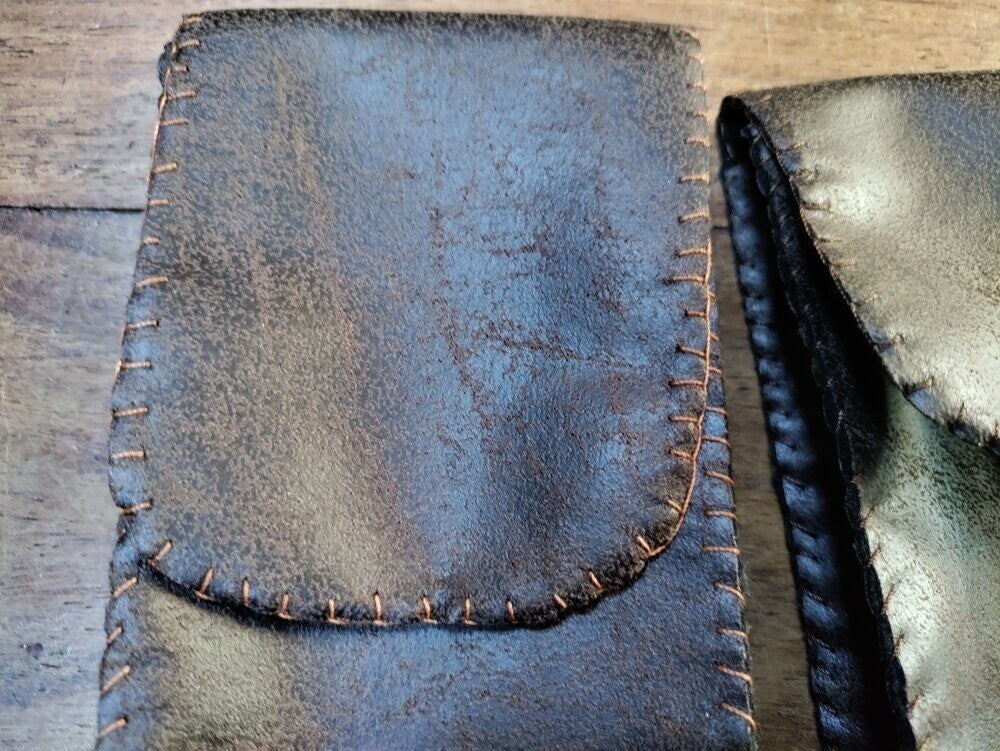
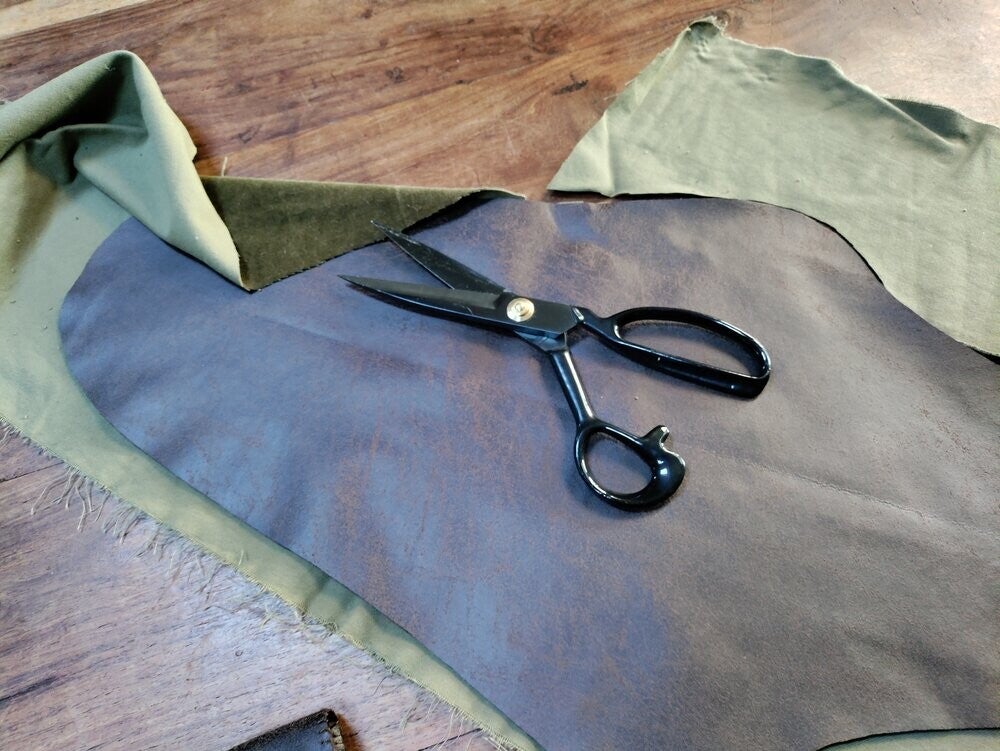
And this was not the only material that caused delays. Finding the right fabrics, leather and other details often meant checking several shops and suppliers.
Sometimes one shop has exactly the colour you need, while another has the right texture but not the right material.
This is something people do not always realise when they see a finished handmade costume. Finding the materials can take almost as much time as making the costume itself.
The Five Skirt Panels
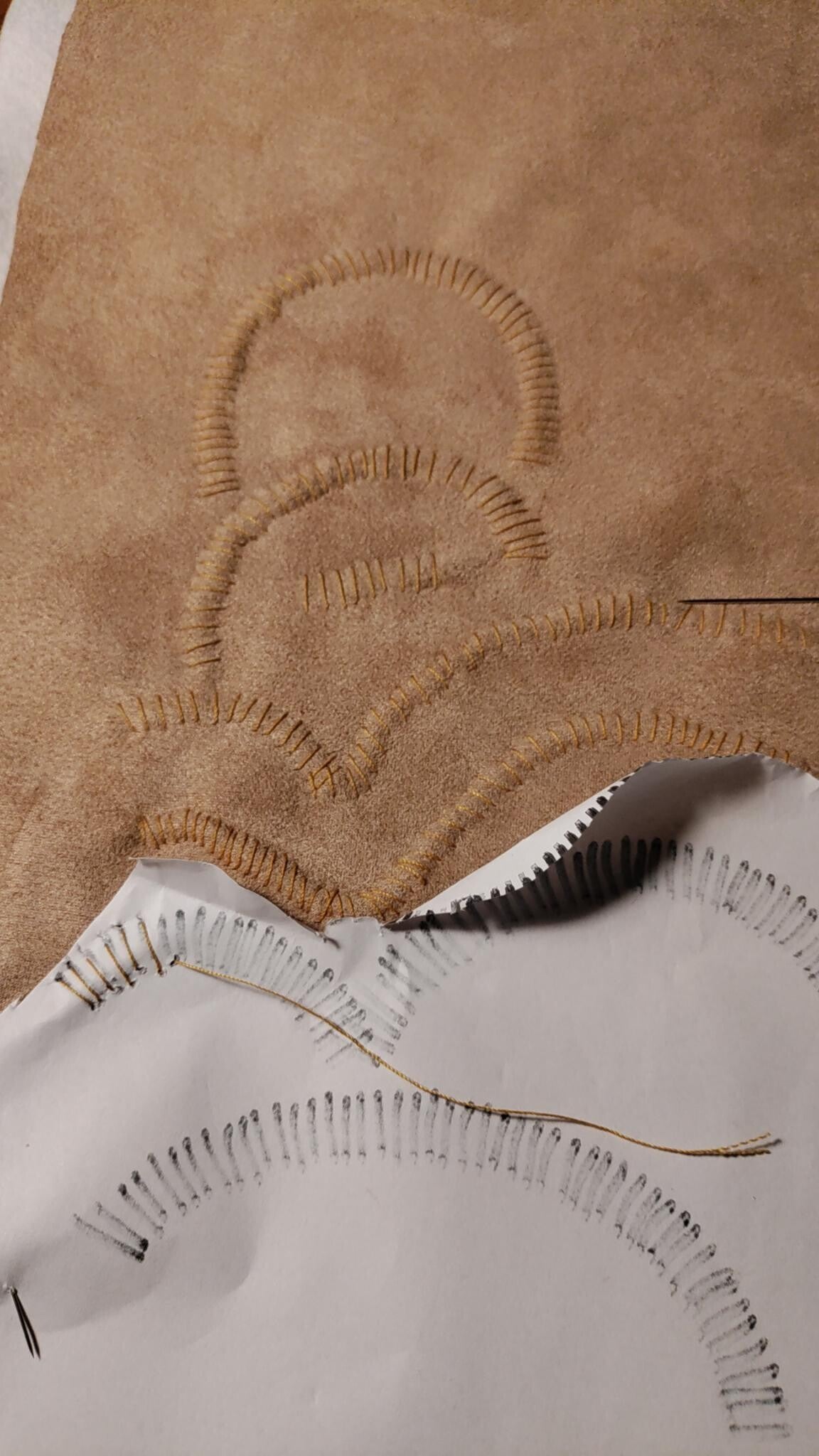
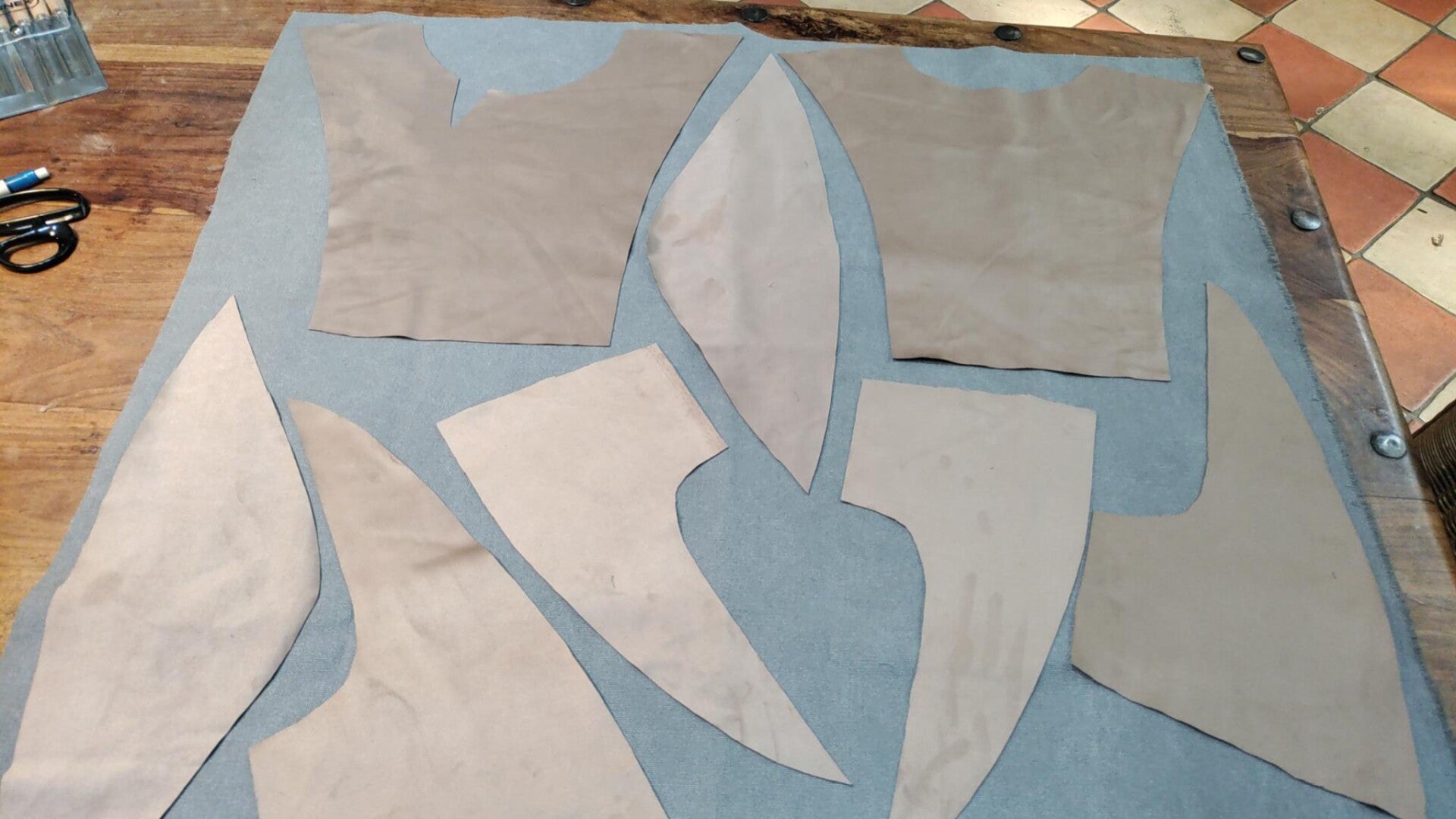
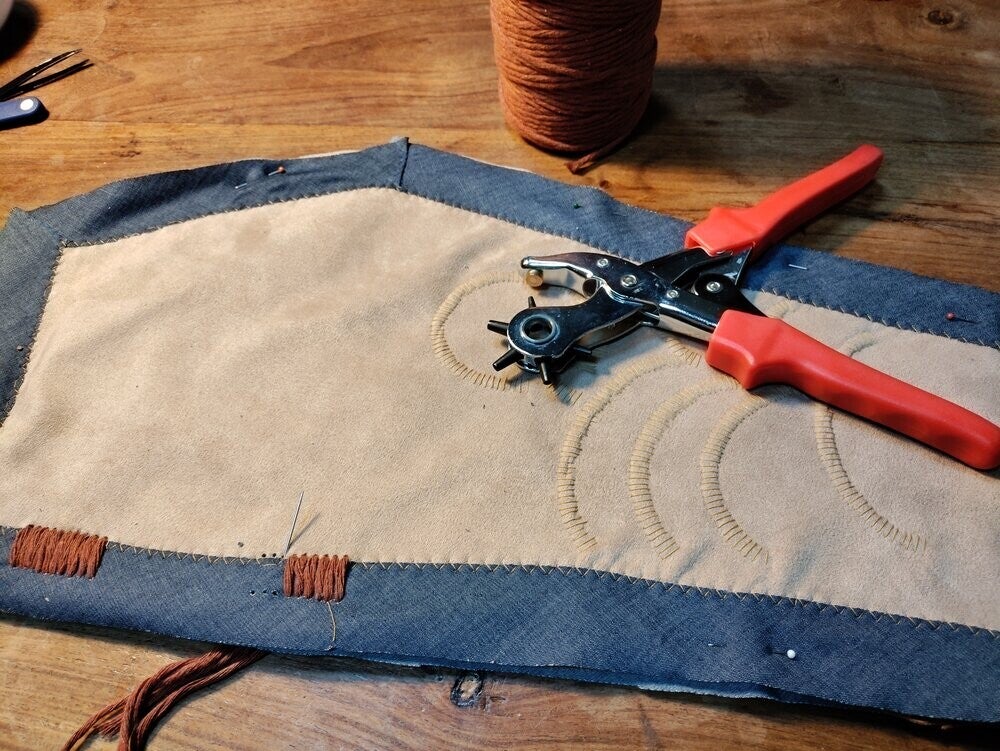
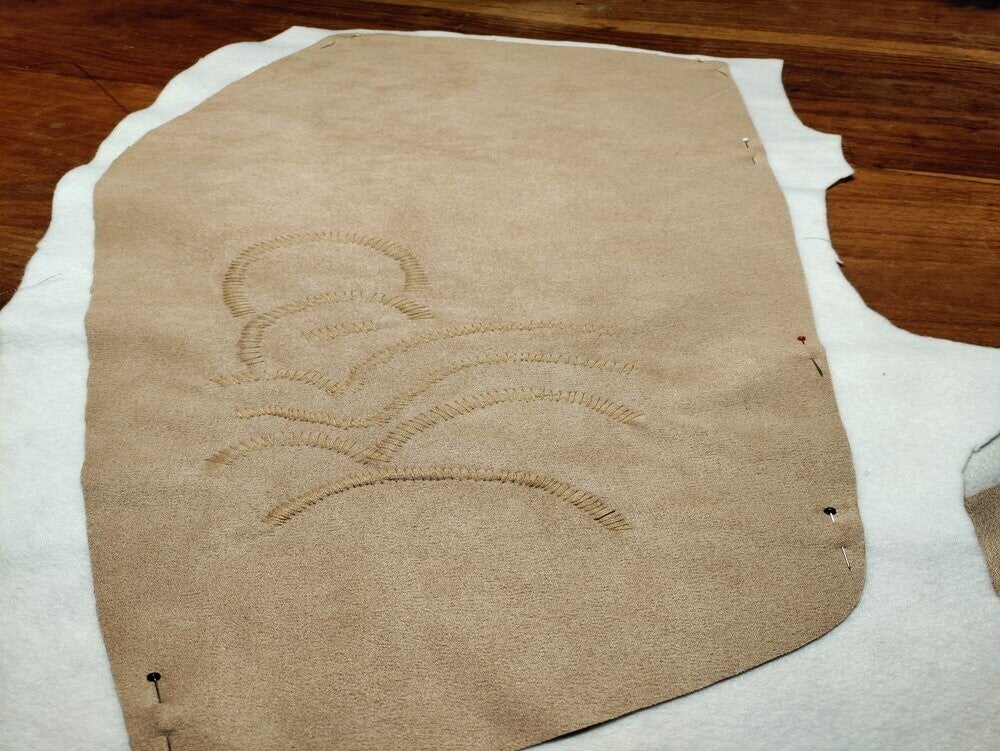
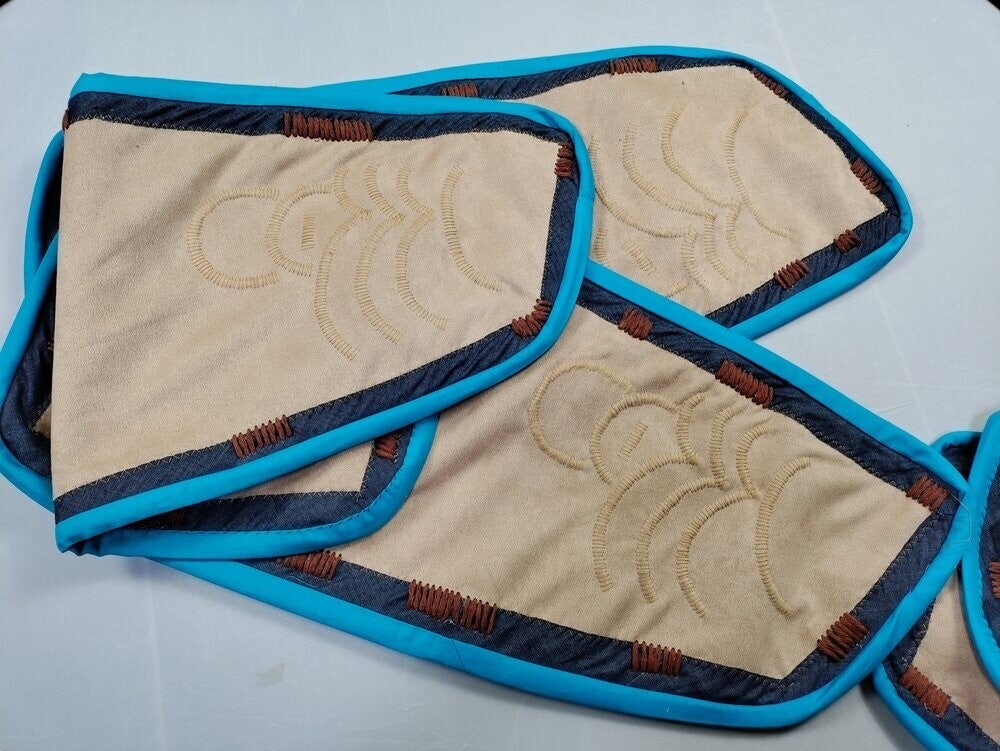
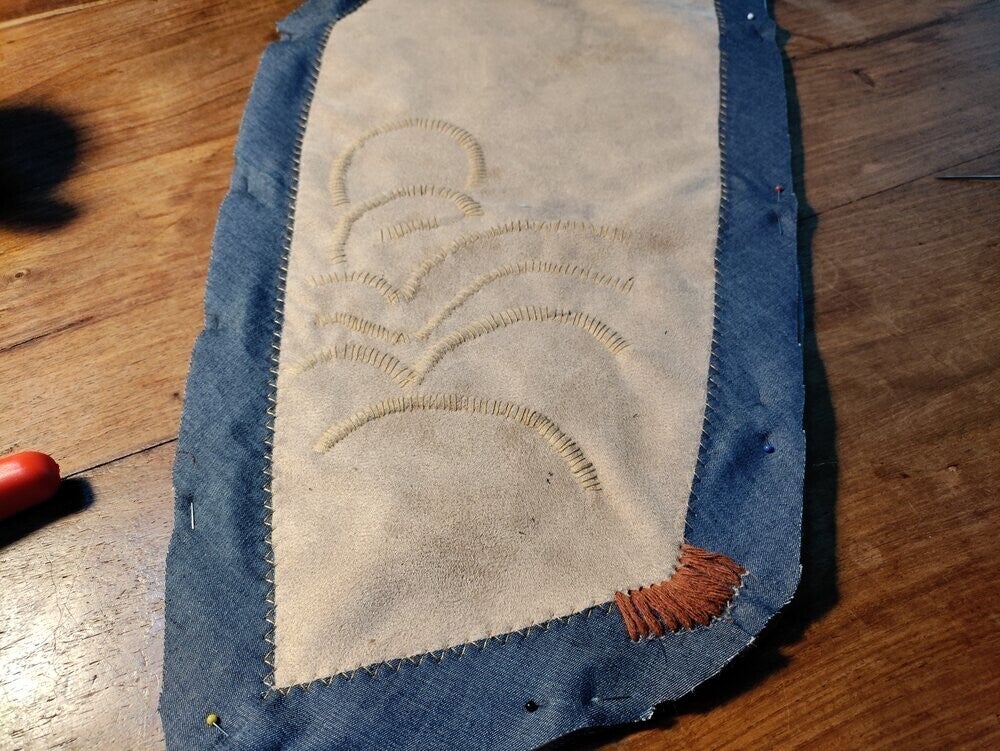
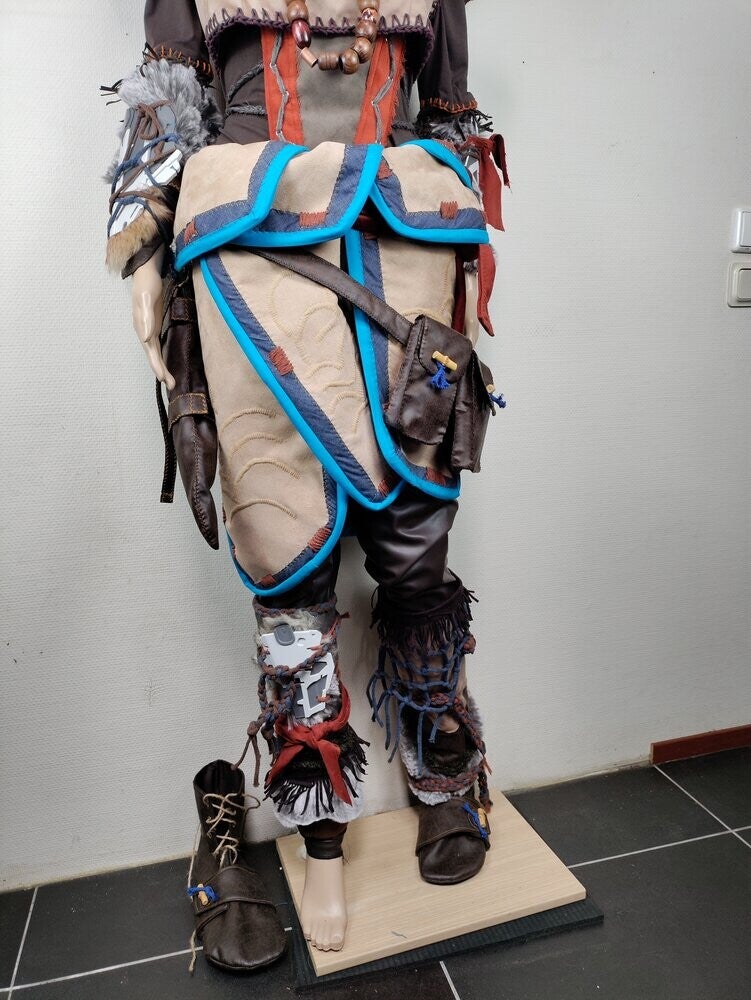
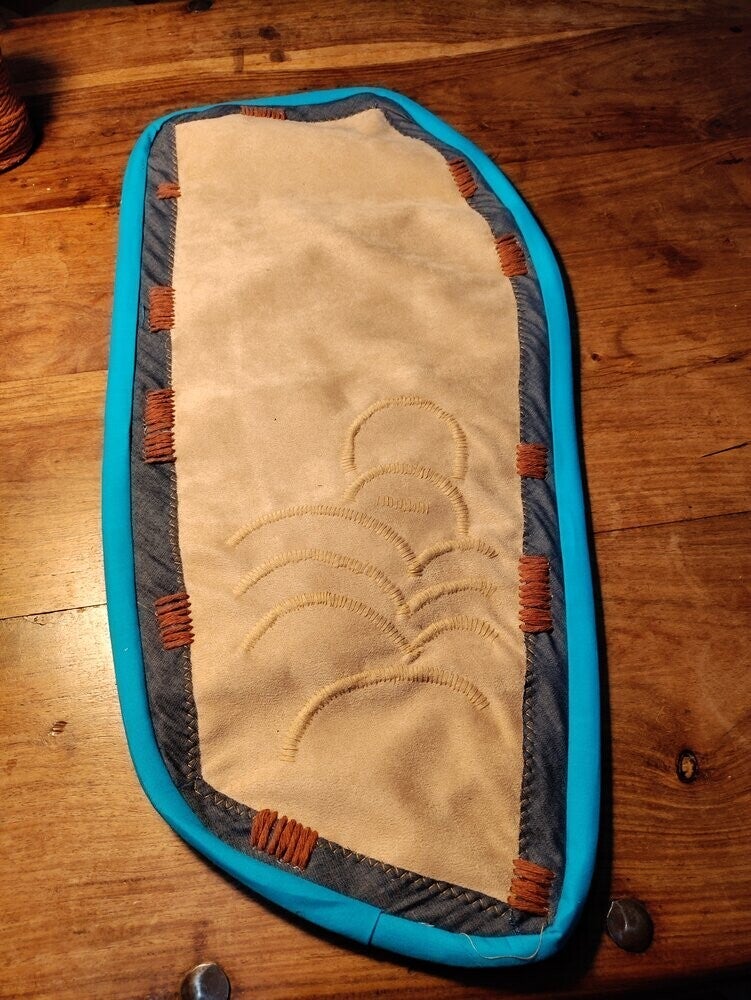
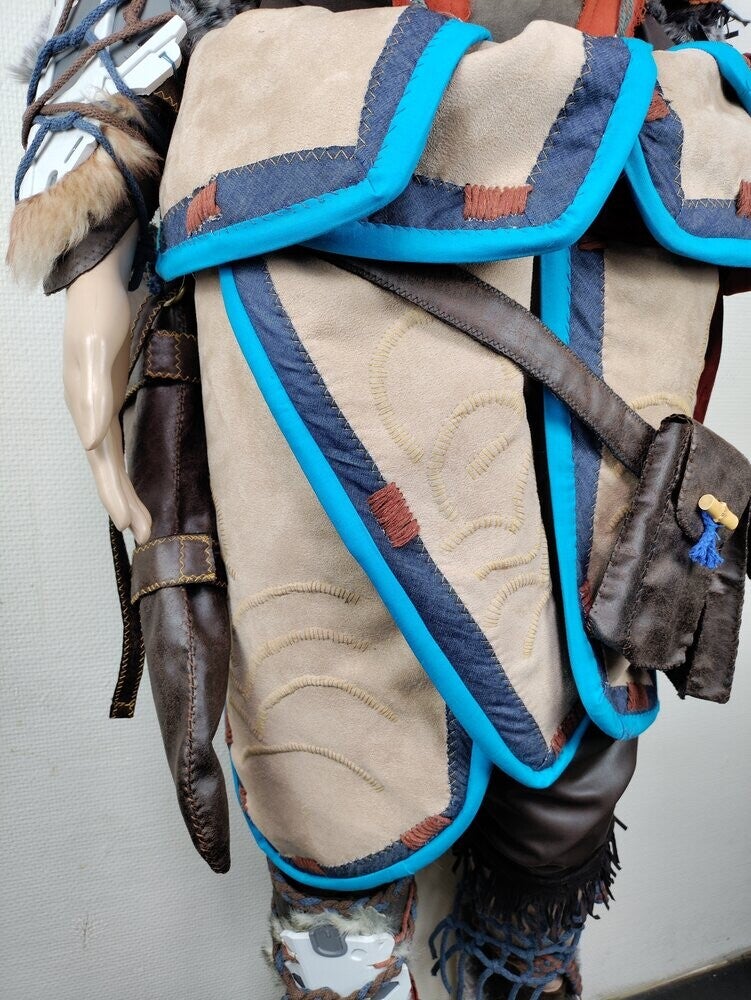
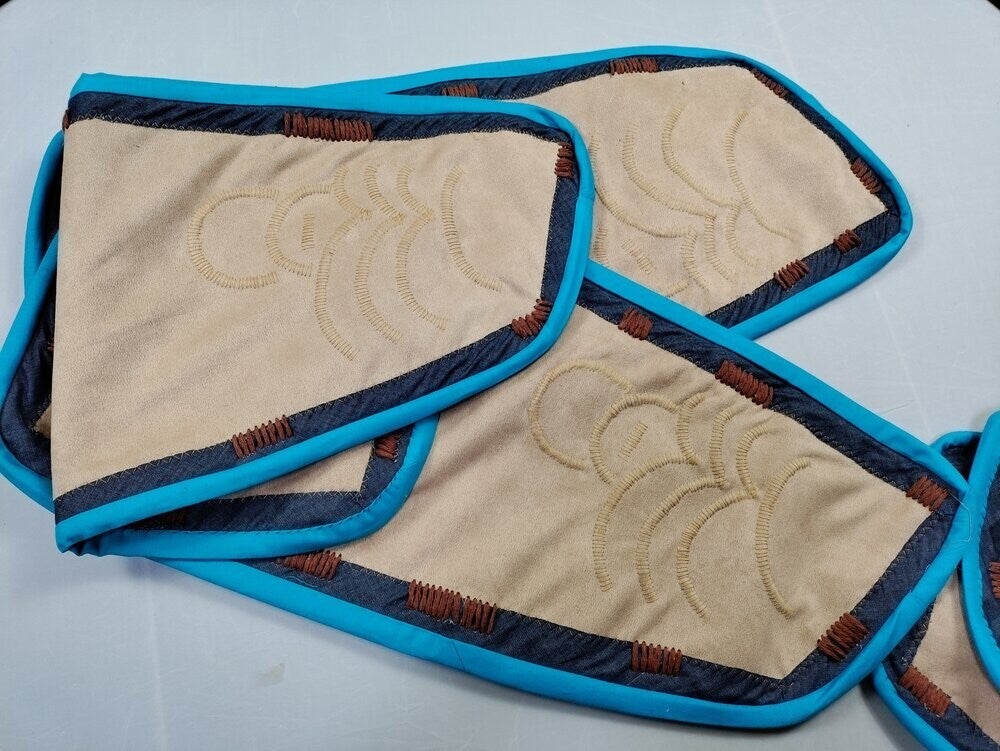
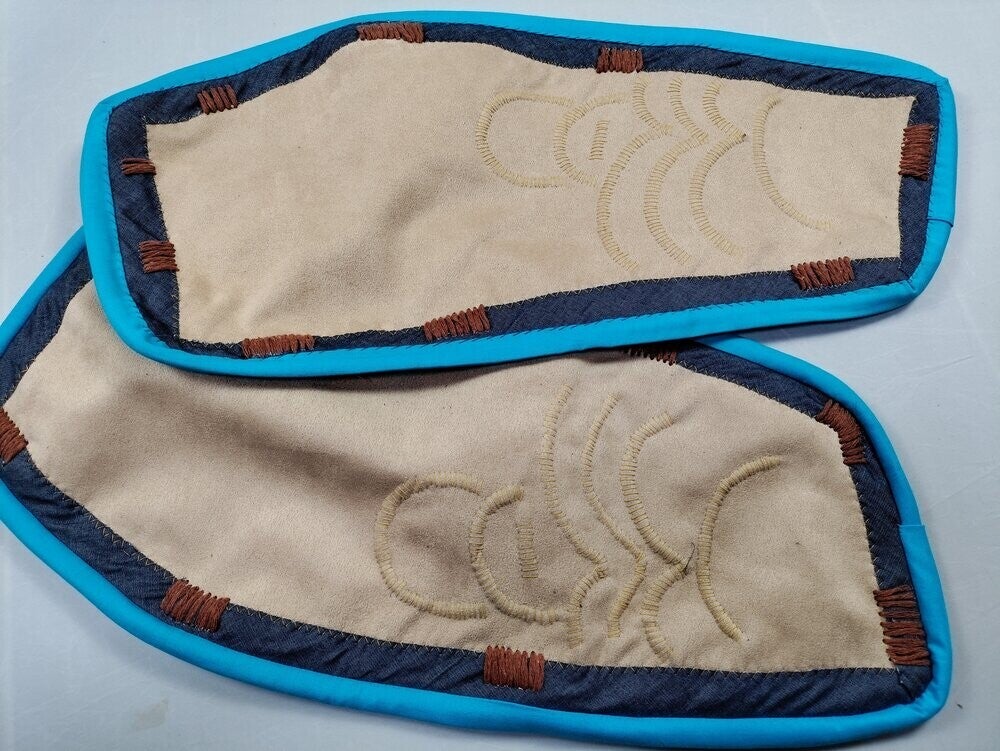
The five skirt panels, or flaps, were another challenge.
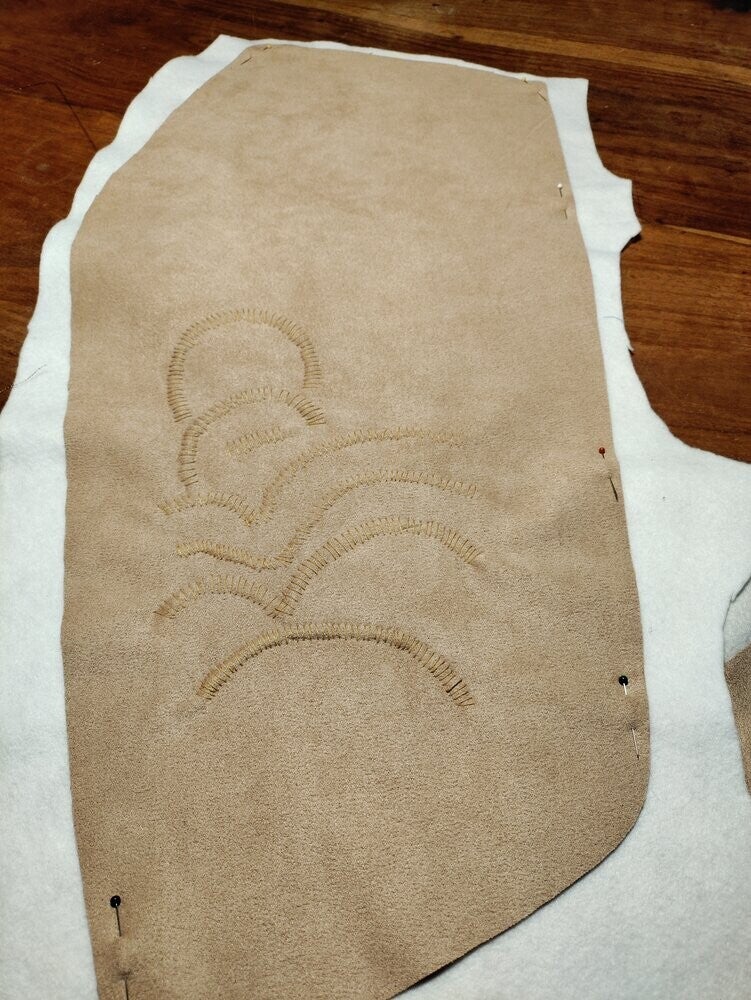
I needed leather or suede that I could actually embroider. Not every type of leather or suede is suitable for this kind of work.
And then came the next question: how was I going to embroider them?
I spent quite some time experimenting with the materials and working out the best way to create the decorative details.
The embroidery had to look right, but it also had to work with the material. Leather and suede behave very differently from ordinary fabric.
It was one of those jobs where you have to try things, make adjustments and sometimes start again.
But these details are important. They give the costume much of its character.
Translating a Game Character into Real Clothing
One of the most interesting parts of this project was working out how to turn a game costume into something that can actually be worn.
A costume designed for a computer game does not always follow the same rules as real clothing.
In a game, a garment may look beautifully fitted, with several layers sitting perfectly together. But how do you construct that in real fabric? How does it stay in place? And how does someone put it on?
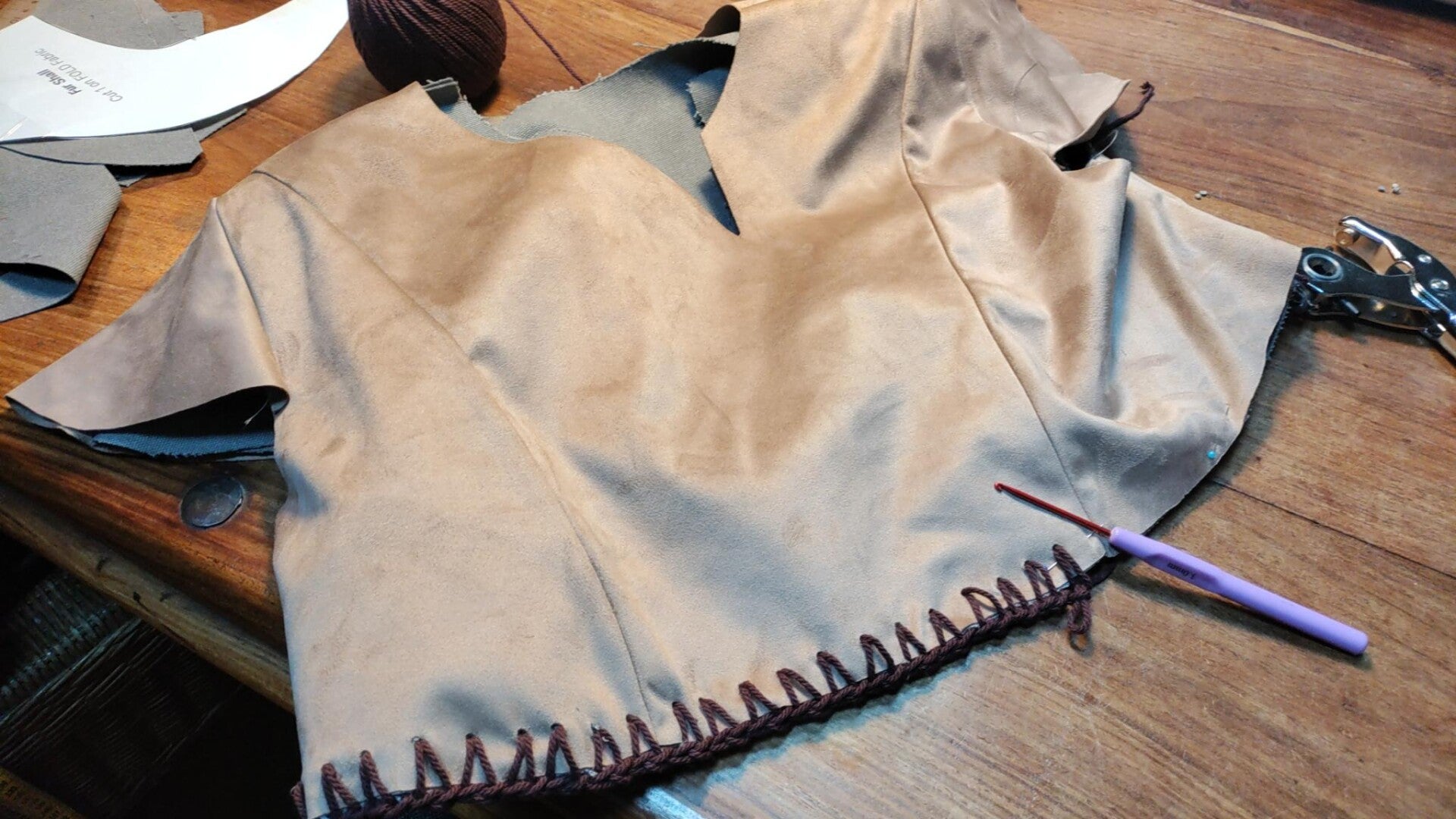
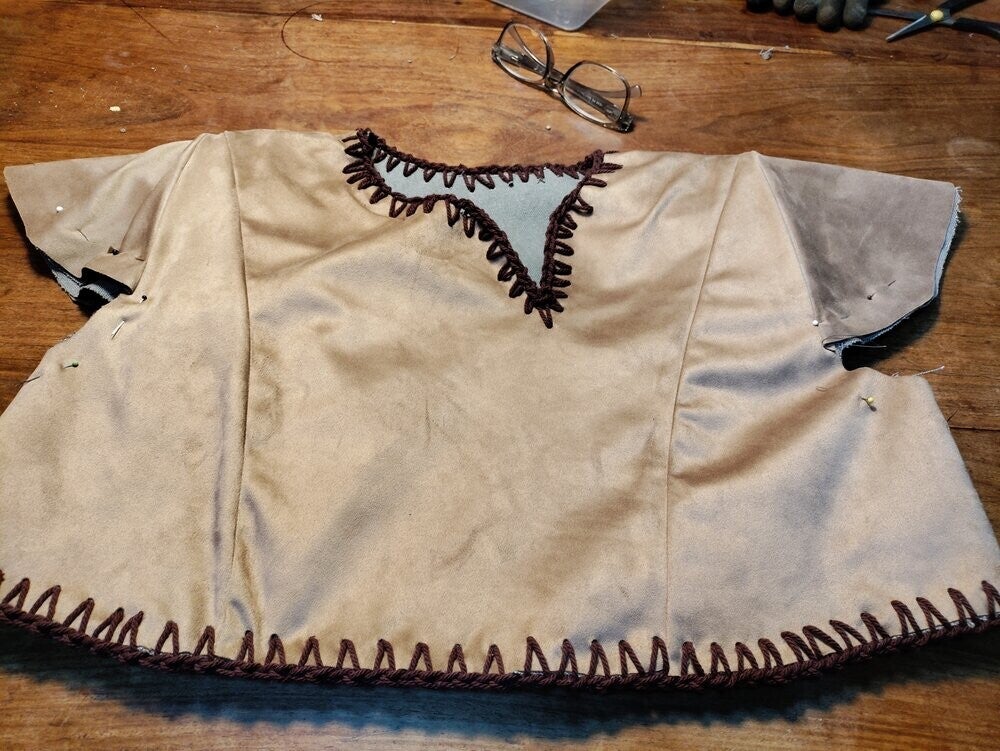
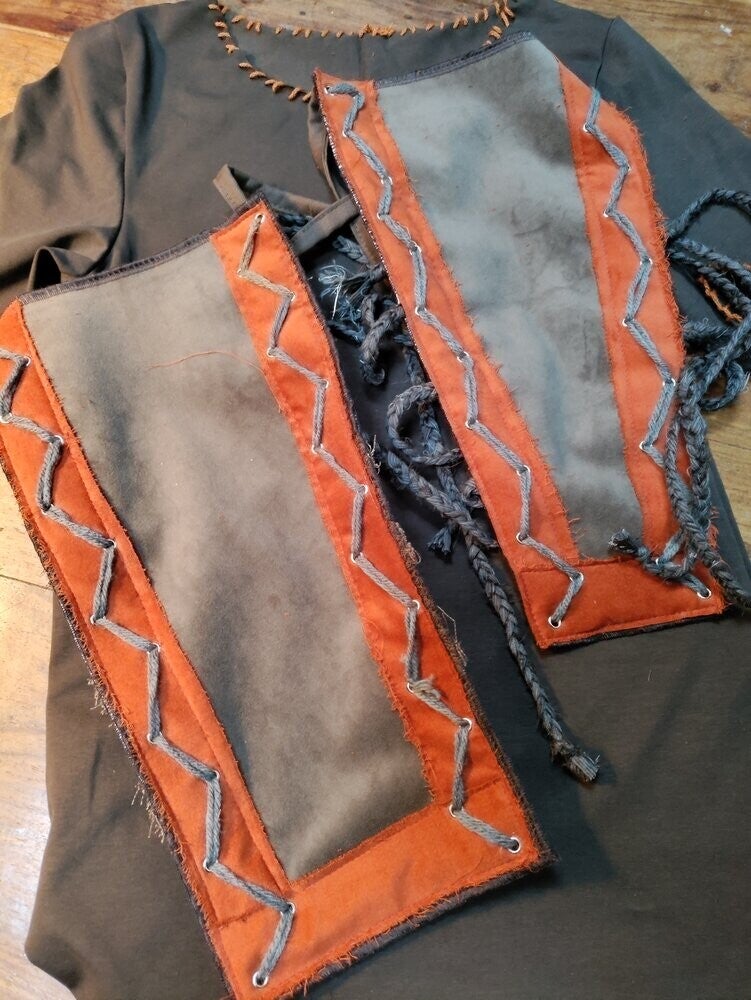
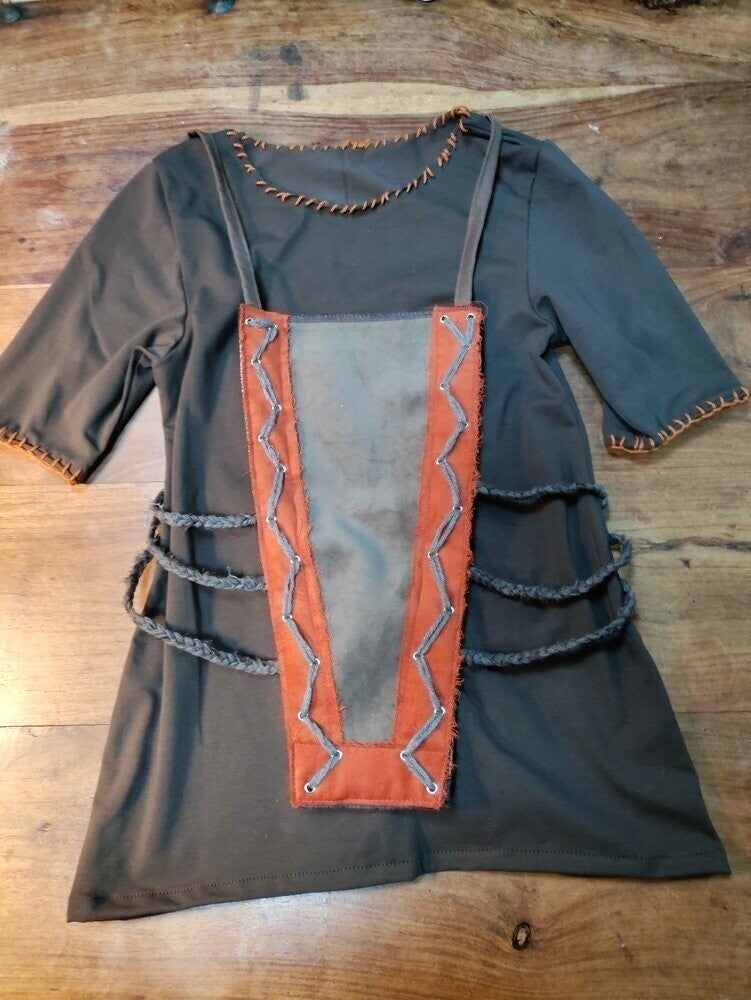
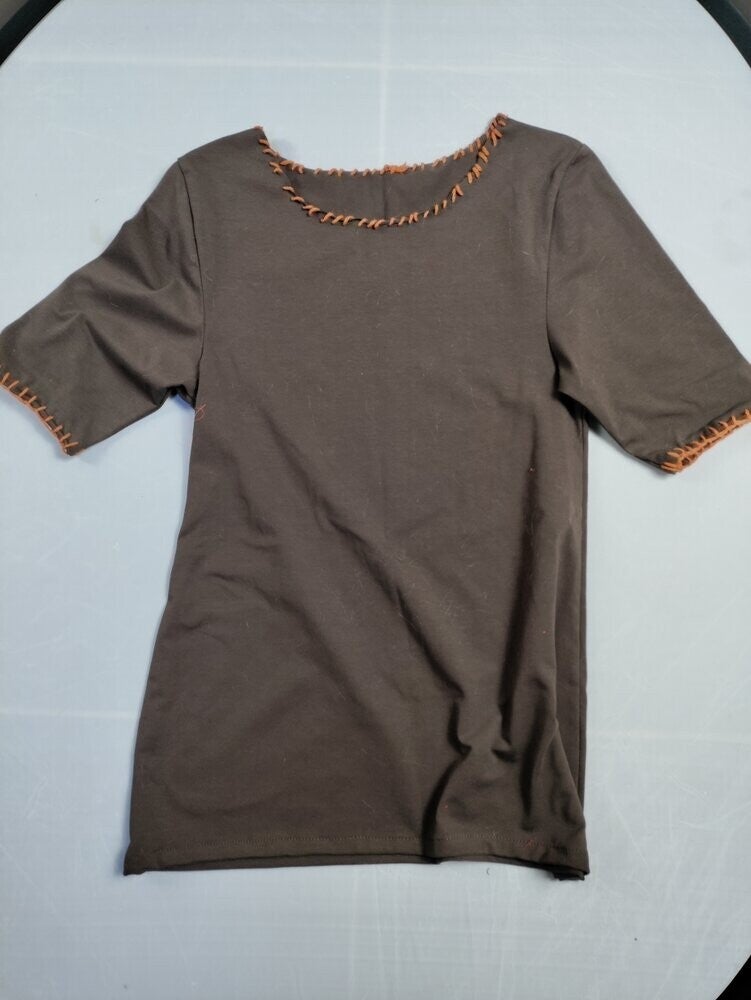
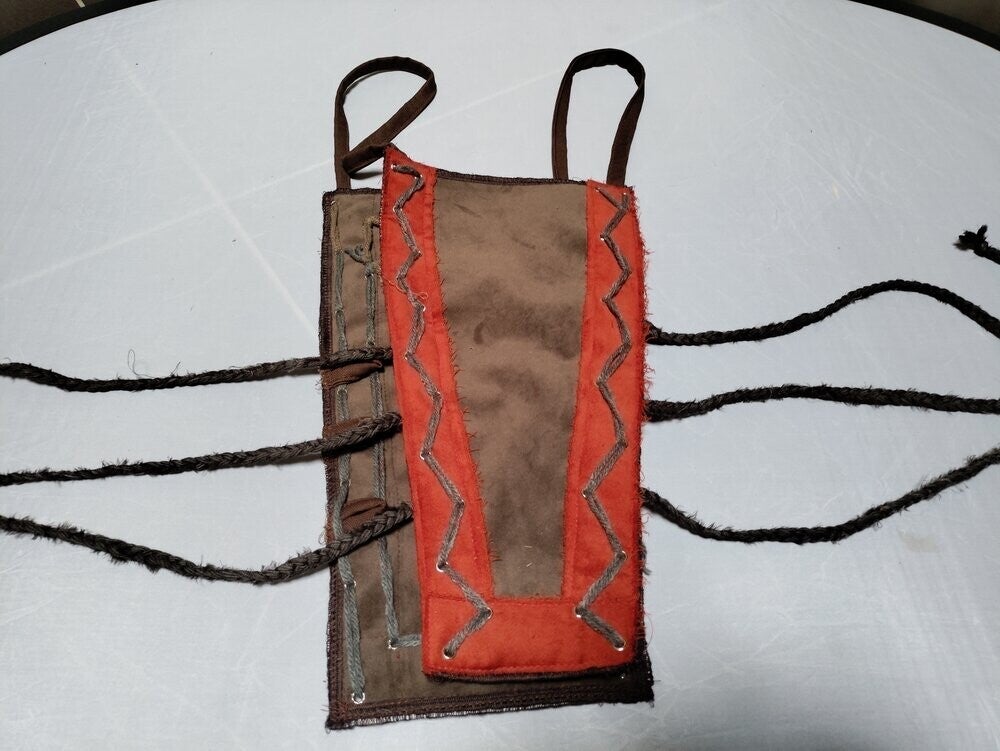
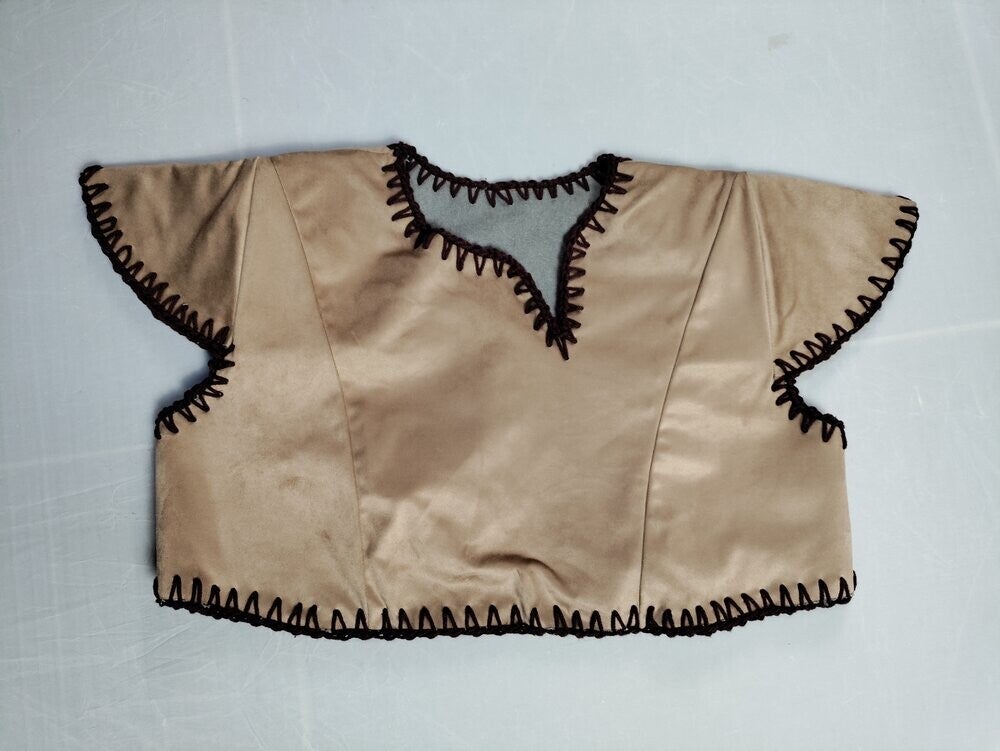
A good example was the small fitted bodice worn over the T-shirt.
In the reference pictures, it looks quite simple and fitted. But working out how to construct it in real fabric, while keeping the correct shape, was another matter.
The same applies to many other costume details. They may look straightforward in a picture, but translating them into wearable clothing requires quite a bit of thought and practical experience.
This is one of the things I enjoy about costume making: solving these little construction puzzles.
How Do You Actually Put It On?
When all the pieces were finally finished, I faced one last practical question.
How was the customer going to put everything on?
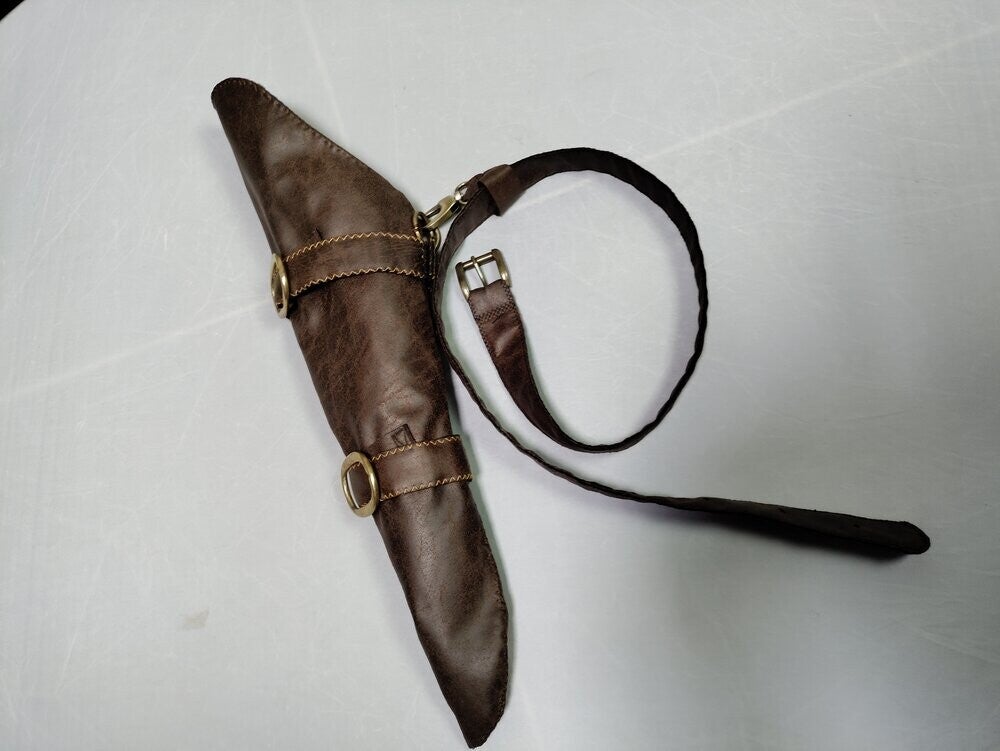
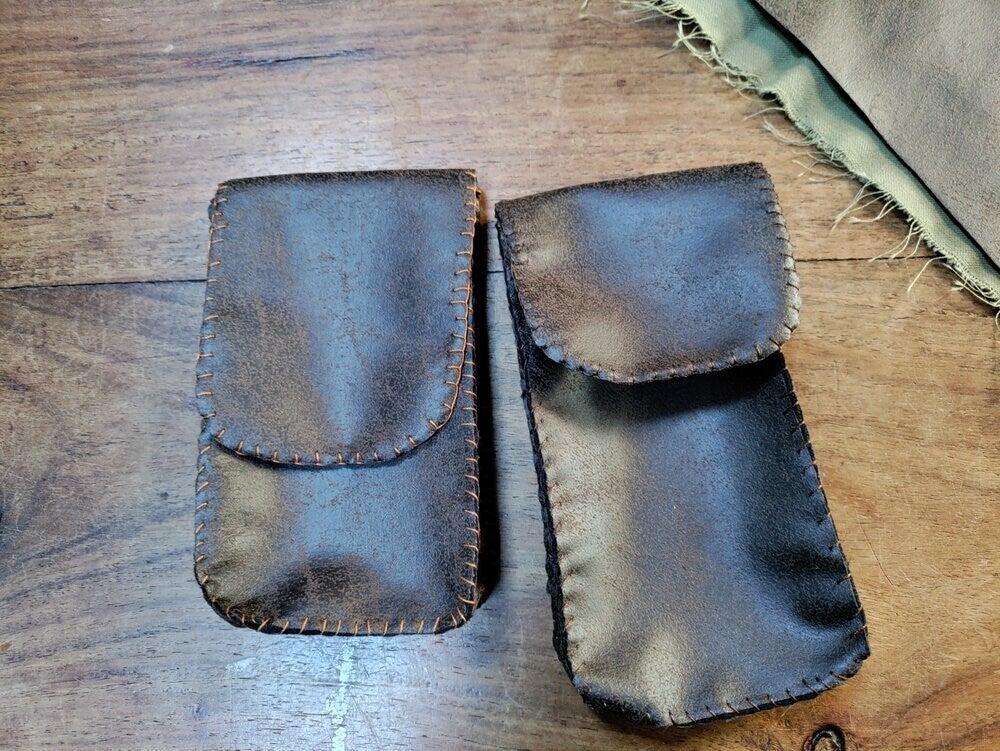
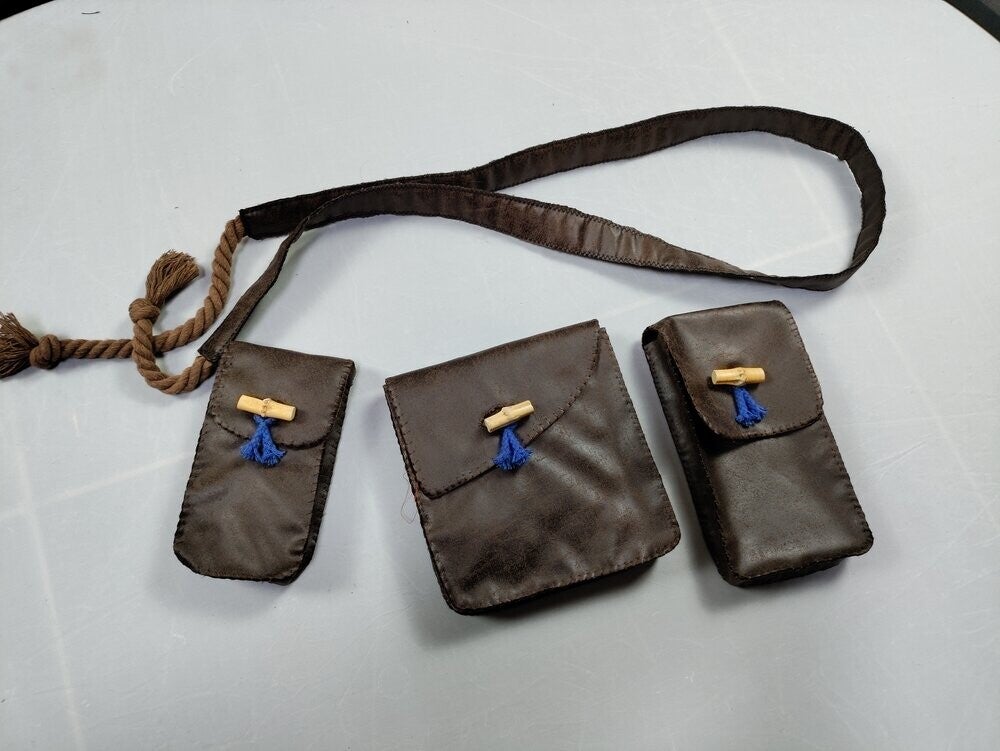
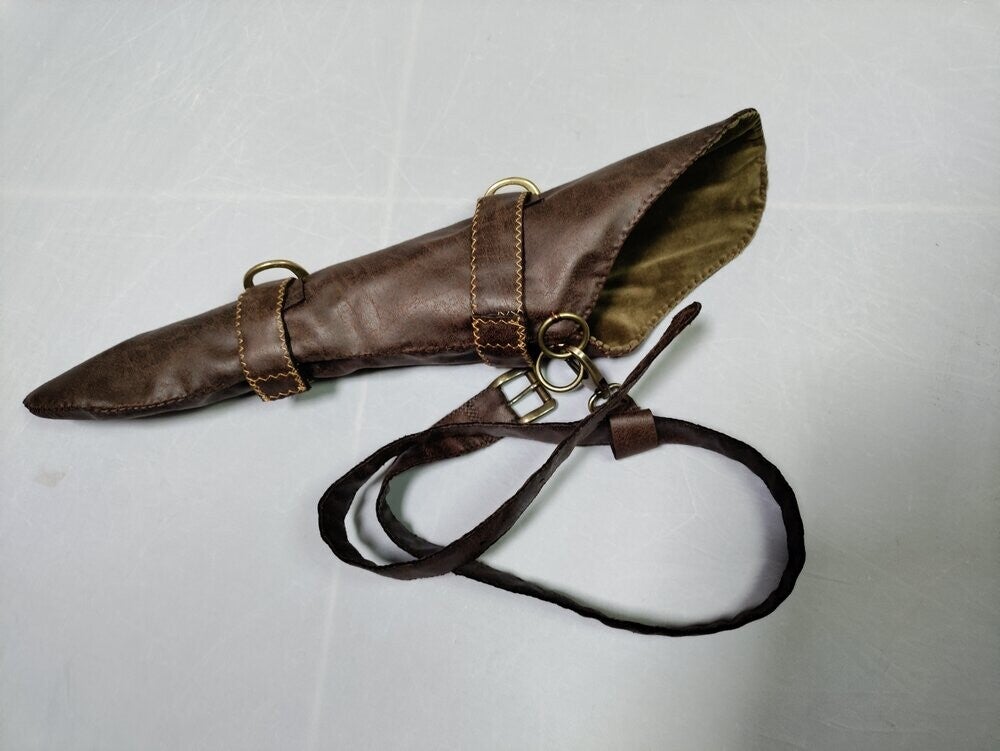
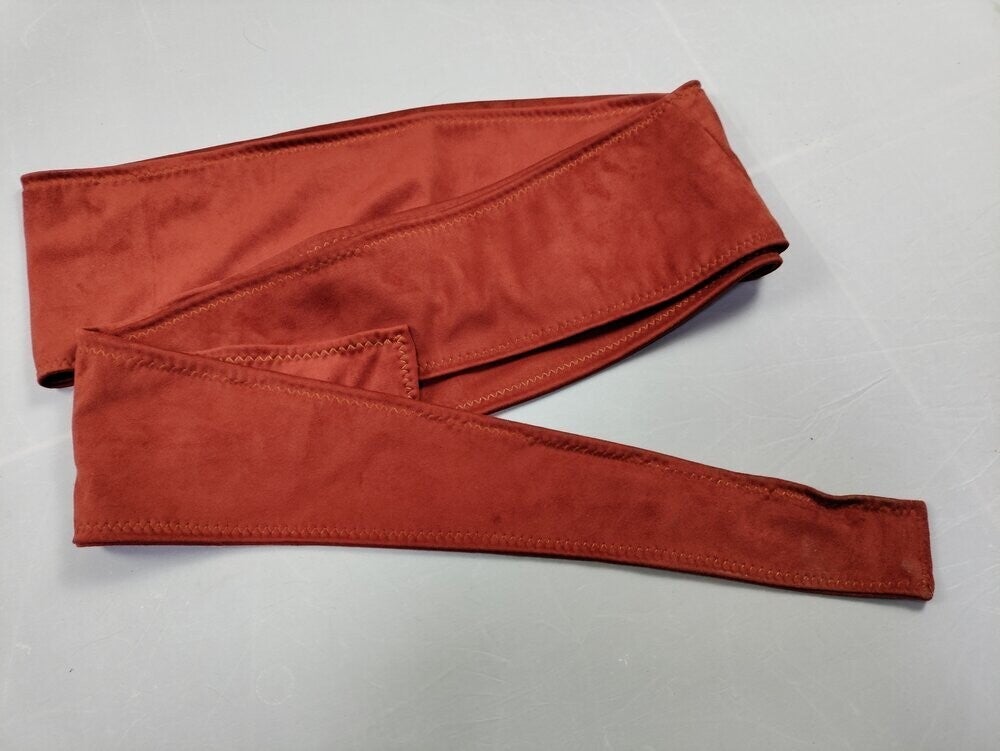
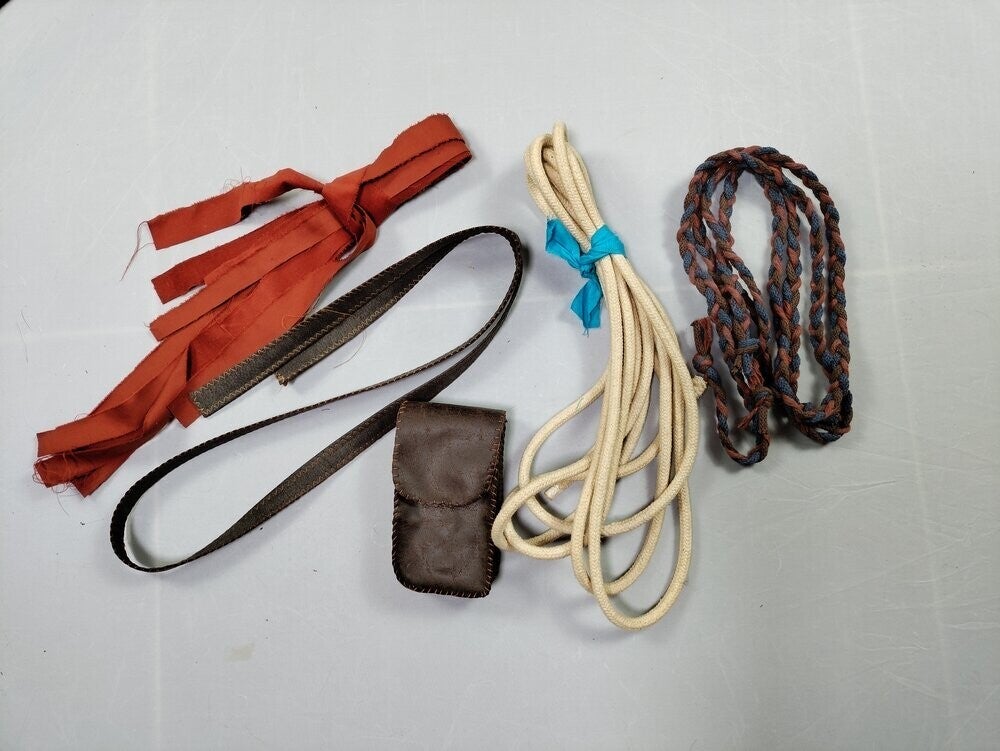
This costume has many separate layers, belts, straps, pockets and accessories. Putting everything on in the wrong order can quickly become confusing.
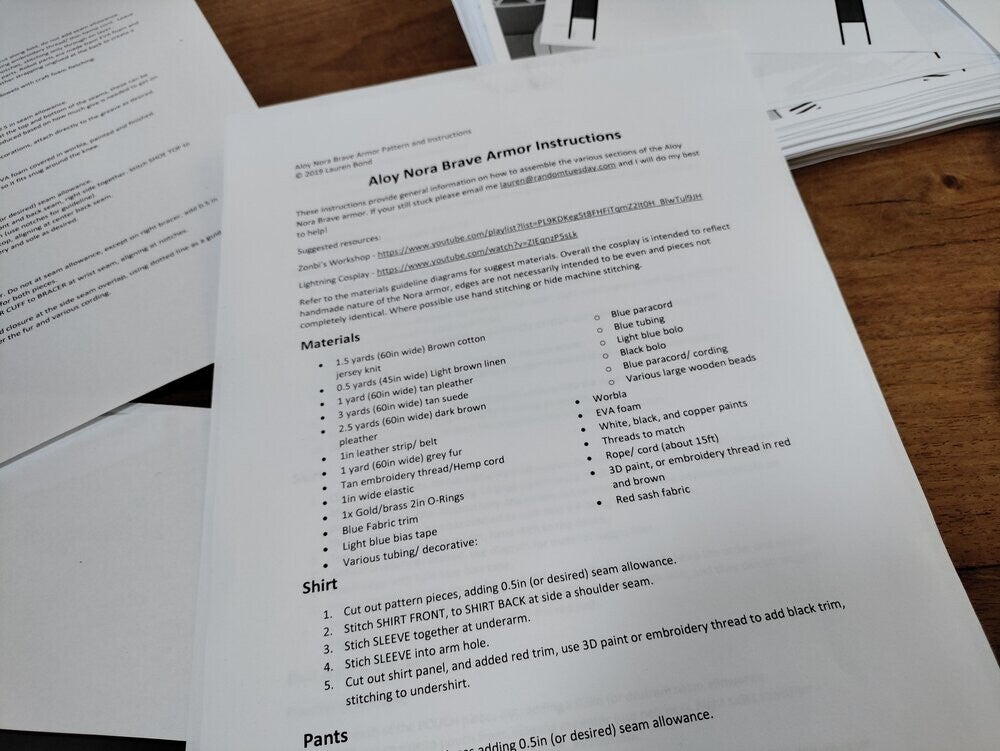
So I made a dressing guide and included it with the costume.
Before writing it, I practised with my mannequin.
What goes on first? Which parts can you put on yourself? Where might you need someone to help? Which belts and accessories have to be attached before putting on the next layer?
Most importantly, what is the correct order?
I tried the different steps until I had a clear and practical sequence.
A handmade costume should not only look good. It should also be possible to wear it comfortably and without too much confusion.
The Big Box Heading to Germany
Finally, after a little over three months, the costume was ready.
Then came the packing.
The box travelling to Germany was big. Very big!
There were so many individual pieces that everything needed careful packing and protection. I also made sure the parcel was fully insured.
And quite honestly, I wanted it to be well insured.
The value inside that box was not just the cost of the materials or the sewing work.
It also contained many hours of embroidery, problem-solving, searching, planning and, of course, the work contributed by my family.
Every bead, every printed part, every little copper detail and every carefully finished piece had its own story.
More Than Just a Costume
Looking at the finished Nora Huntress costume, I see much more than an outfit inspired by a game character.
I see three months of work, a great deal of searching and experimenting, and several family members who each added something special to the project.
That is what makes handmade work so interesting to me. There is always more behind the finished result than you can see in a photograph.
And sometimes, the best part of making a costume is discovering that it has become a family affair.
Made with care, skill and a little help from the family.
Historique Couture – Handmade costumes, made one piece at a time.
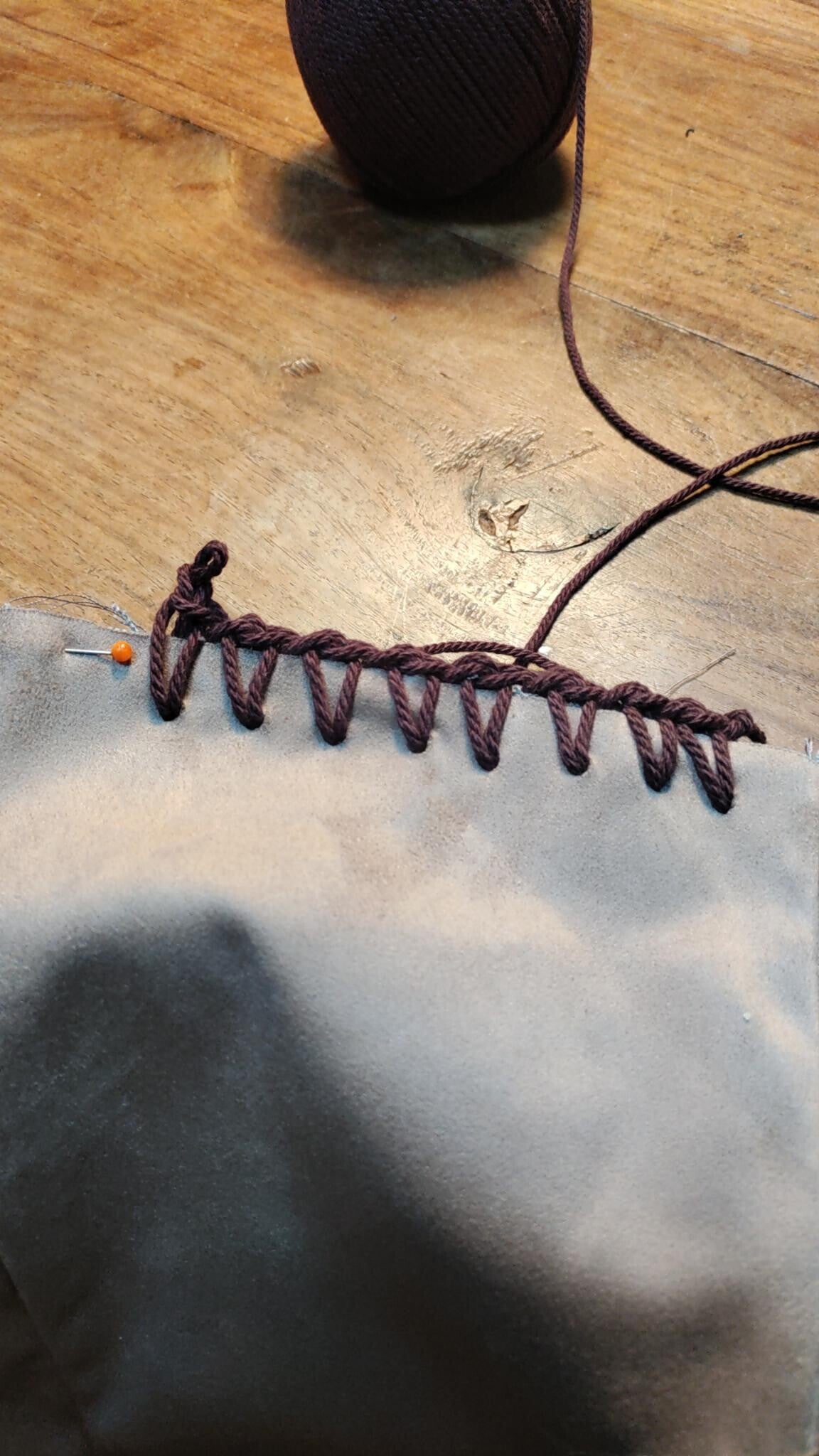
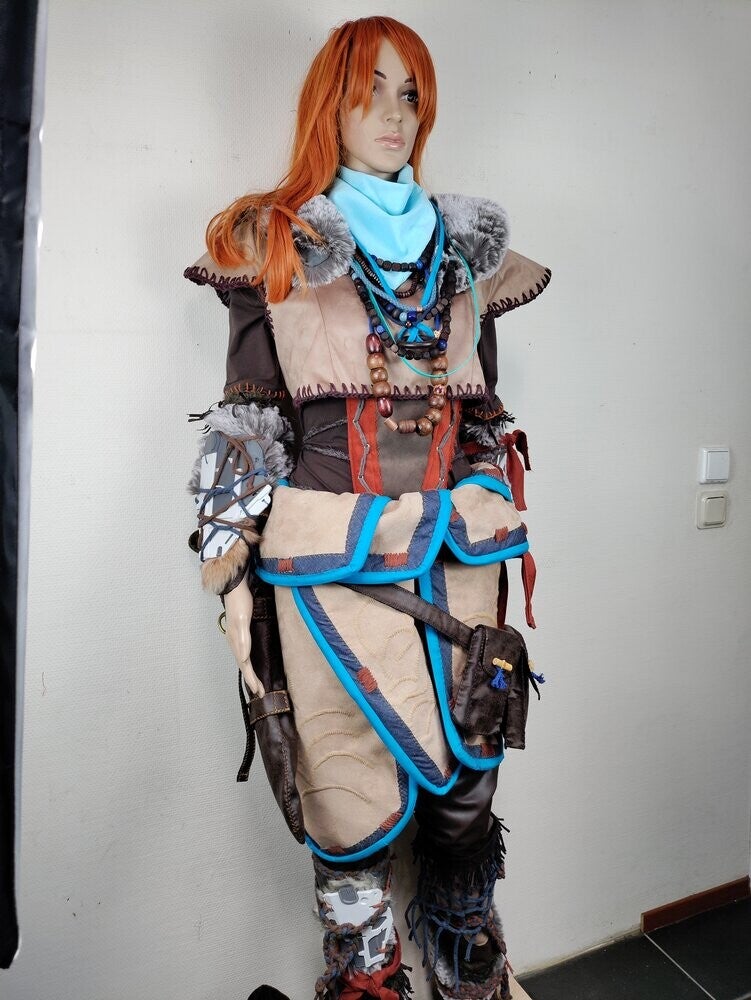
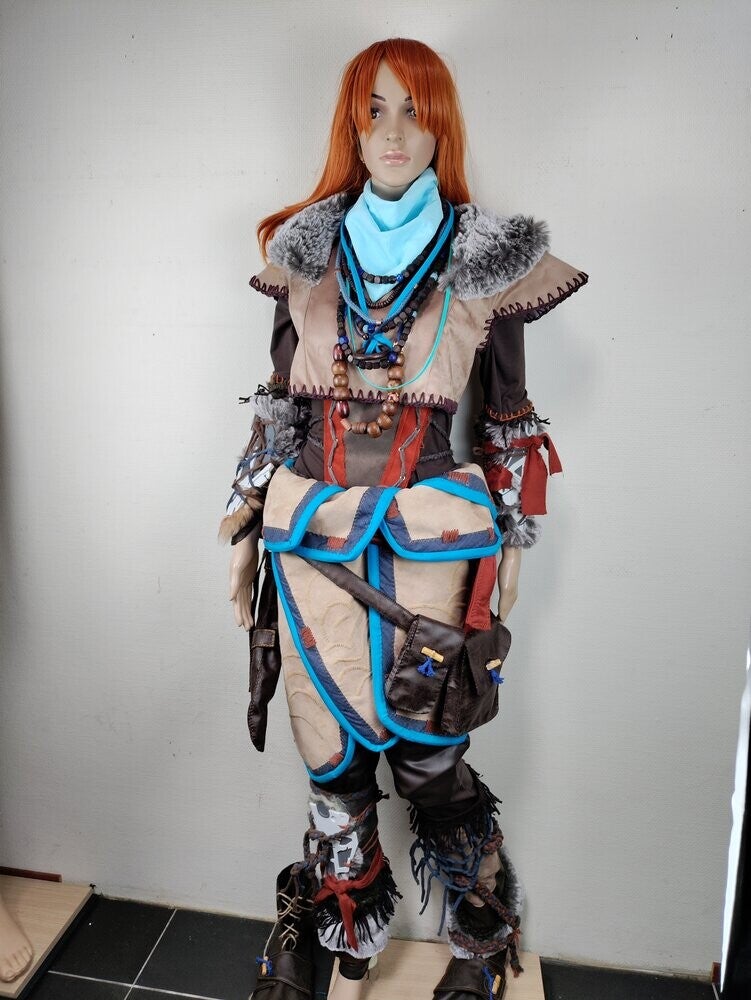
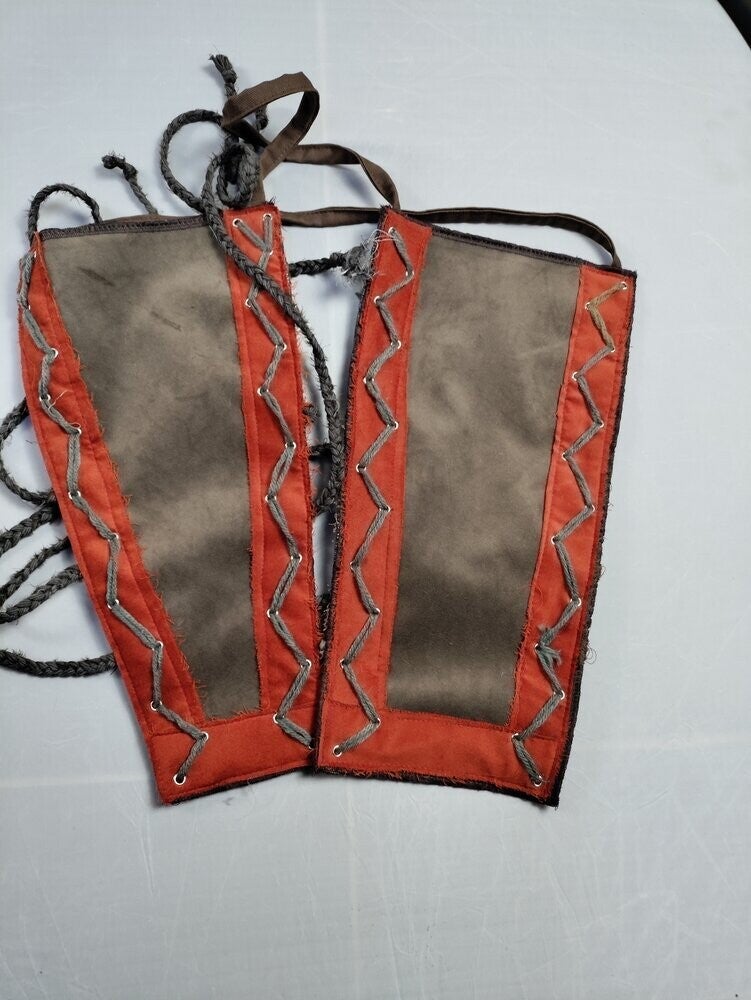
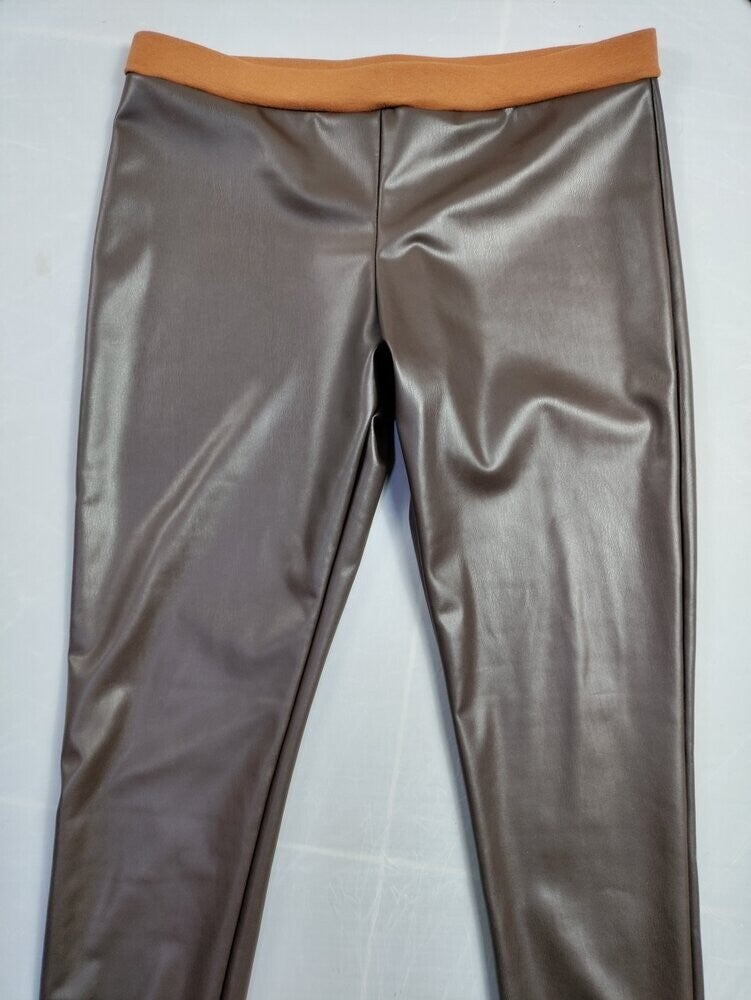
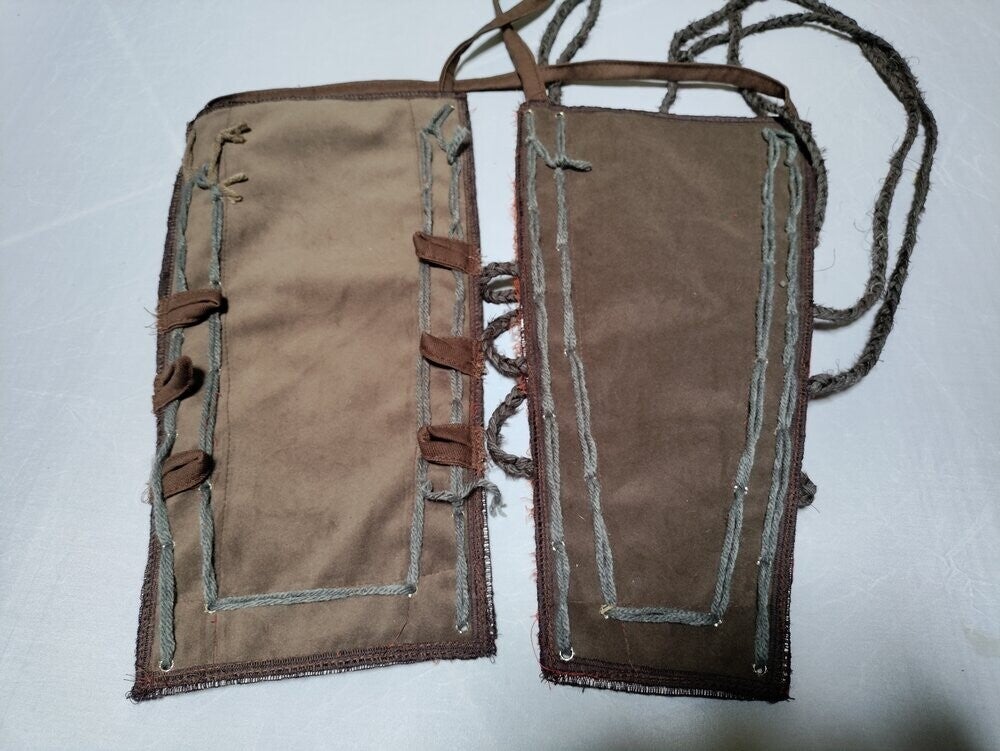
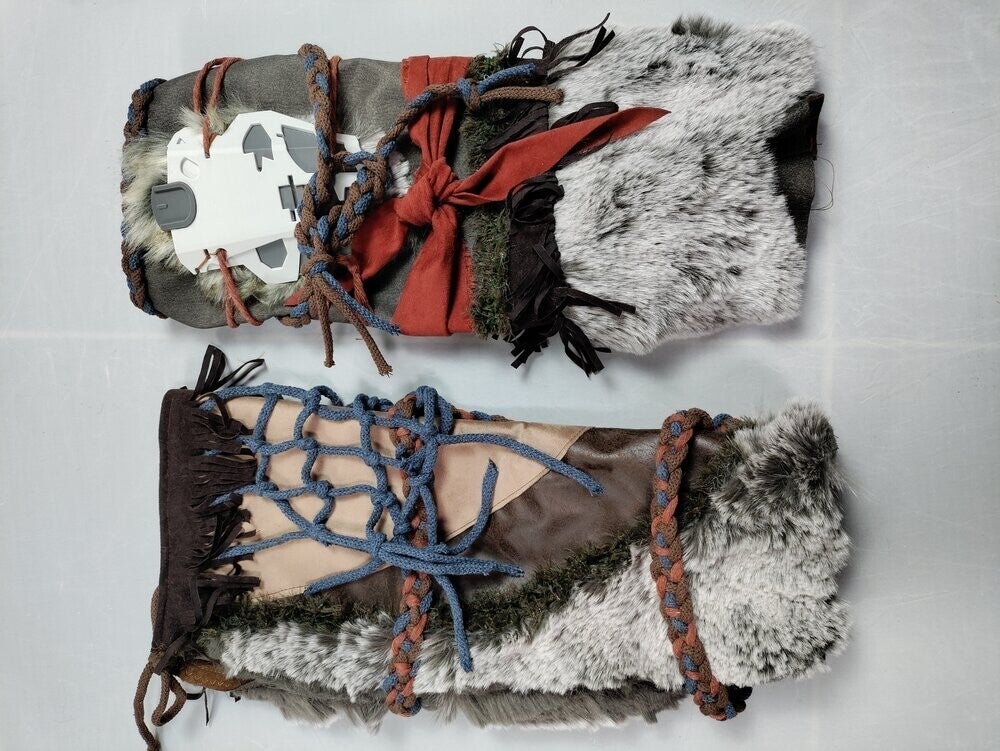
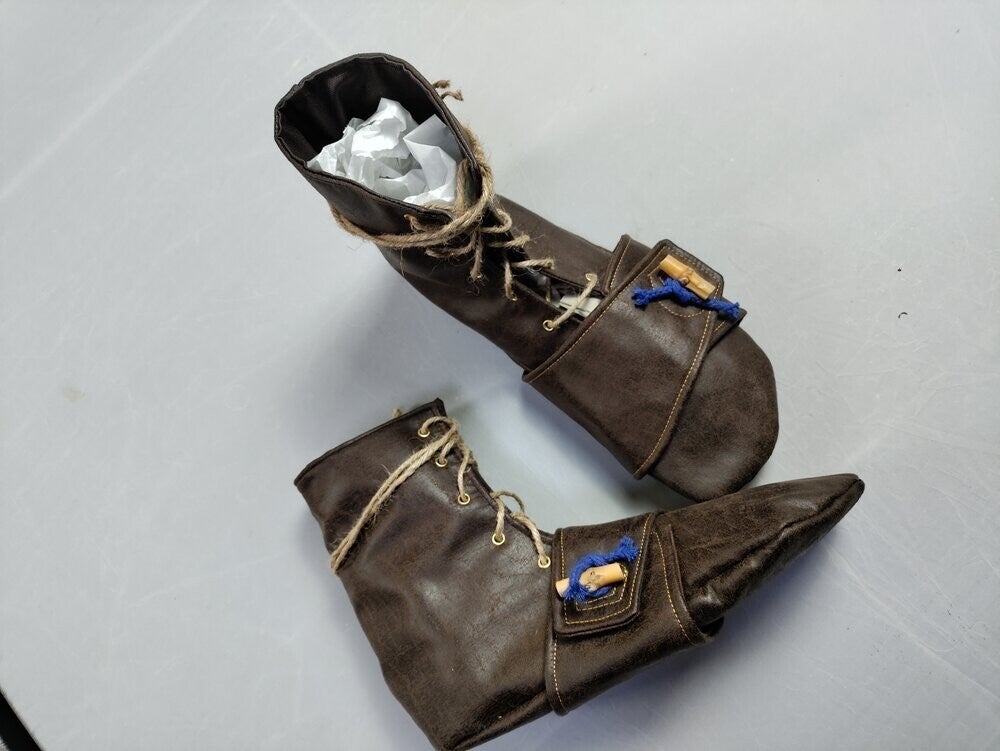
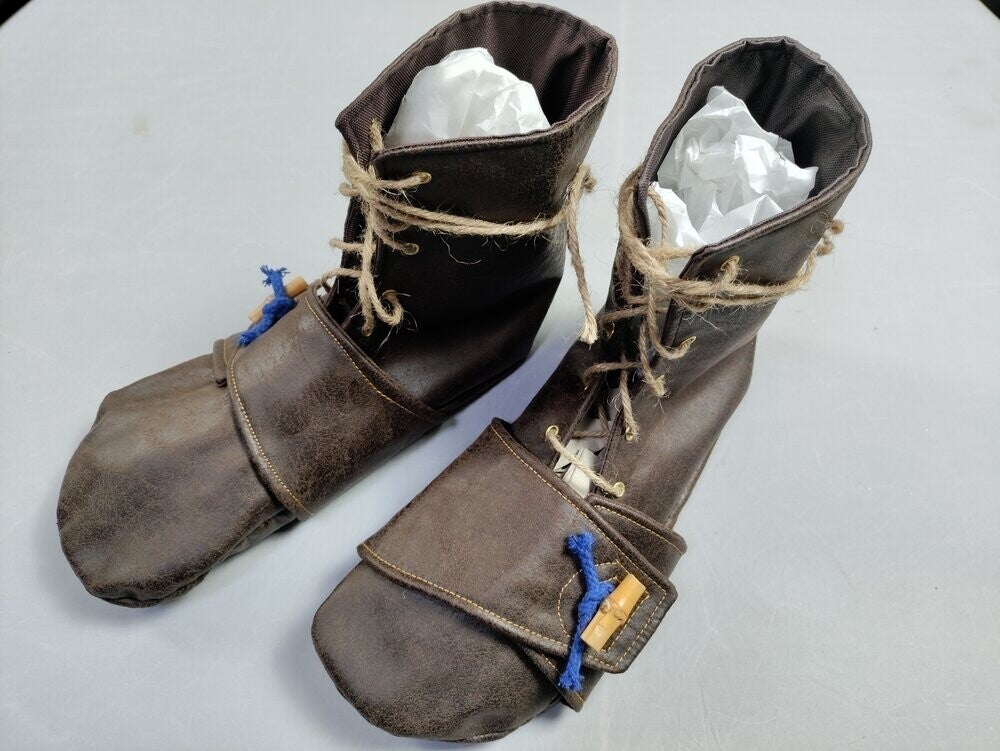
Aloy Nora Huntress work in progress:
Aloy Nora Huntress - The total Costume
Add comment
Comments