Why Make a Muslin Toile Before Sewing? The Couture Secret to Better Fit
There is one important step in professional dressmaking that is sometimes skipped by home sewists: making a test garment before cutting into the beautiful fabric.
In the world of haute couture, this is perfectly normal. Designers and dressmakers often make a test version of a garment first. This is called a toile or a muslin.
Why? Because even the most beautiful sewing pattern may need adjustments. A test garment allows you to check the fit, shape and construction before using your expensive fashion fabric.
Whether you are making a historical costume, a cosplay outfit, a corset, a jacket or an everyday dress, making a toile can save you time, money and frustration.
Let's have a closer look at this traditional couture technique.
What Is a Muslin Toile?
A toile is a test version of a garment. It is made before the final garment, using inexpensive fabric.
The word toile comes from French and is widely used in European couture and dressmaking. In the United States, the word muslin is often used for both the test fabric and the test garment.
The purpose is simple: you make the garment once in inexpensive fabric, check everything and make any necessary adjustments.
You can test:
-
The overall fit.
-
The length and proportions.
-
The shape of the sleeves.
-
The position of darts and seams.
-
The neckline and collar.
-
The construction of complicated details.
-
How the garment moves when you wear it.
Once the toile fits properly, you can use the corrected pattern to cut your actual fabric.
This is particularly important when working with expensive silk, wool, brocade, velvet or other special materials.
Why Do Haute Couture Dressmakers Make a Toile?
In haute couture, making a toile is part of the normal working process.
The final fabric may be extremely expensive, sometimes difficult to replace or even impossible to find again. Cutting it incorrectly can be a costly mistake.
A toile gives the dressmaker the opportunity to experiment without damaging the original material.
It also helps to keep the fashion fabric clean and in perfect condition during construction.
There is another advantage: you can try on the toile as often as necessary without worrying about stretching, marking or damaging delicate fabric.
It is a simple but very effective method.
And you don't have to be a professional couture dressmaker to benefit from it!
What Fabric Should You Use for a Toile?
Traditionally, inexpensive cotton fabric is often used for making toiles.
However, not every test garment should be made from the same type of fabric.
The most important rule is to choose a test fabric with properties that are reasonably close to those of your final fabric.
For example, a soft, lightweight fabric will not behave like heavy wool or stiff brocade.
Here are some useful options.
1. Muslin or Lightweight Cotton
Muslin is a plain-weave fabric, usually made from cotton. It is available in different weights and qualities.
For dressmaking, inexpensive, unbleached cotton is a popular choice.
It is easy to cut, sew, mark and press. It is also relatively inexpensive, which makes it ideal for making test garments.
In some countries, the word muslin refers to a very lightweight, open-weave fabric. In other countries, it is commonly used for a simple cotton test fabric.
Always check the actual fabric before buying it.
2. Calico
Calico is another excellent choice.
It is usually an inexpensive, plain-weave cotton fabric. Depending on the quality, it can be a little firmer than lightweight muslin.
Calico is particularly useful for testing everyday garments, dresses, shirts and jackets.
It is also easy to write on, which is handy when you want to mark adjustments directly onto the fabric.
3. Cotton Sheeting
Don't overlook inexpensive cotton sheets!
Old cotton bed sheets or affordable new ones can provide a surprising amount of fabric.
They are useful for larger test garments, historical costumes and projects that require several metres of material.
Just check the weight and thickness before using them.
4. Canvas and Firm Cotton
Sometimes a design needs a firmer test fabric.
For example, a structured jacket, a historical bodice or a garment with a strong shape may require something more substantial than lightweight muslin.
In that case, use inexpensive canvas, cotton drill or another firm cotton fabric.
These materials are less flexible and hold their shape better.
Remember that the test fabric should help you understand how the final garment will behave.
5. Stretch Fabrics
Making a toile for a stretch garment requires a different approach.
If your final garment is made from stretch velvet, jersey or scuba, ordinary woven cotton is not a suitable substitute.
Choose an inexpensive stretch fabric with similar stretch and recovery.
Otherwise, the fit of your test garment may be completely different from the final result.
A Toile Is Not Just for Jackets!
One of the biggest misconceptions about making a toile is that it is mainly useful for tailored jackets.
That is certainly not true.
I recommend considering a test garment for almost any complicated sewing project.
For example:
Historical costumes
Historical garments often have unusual shapes, complicated construction and very specific proportions. A toile helps you check the silhouette before using expensive wool, silk or brocade.
Cosplay costumes
Cosplay designs are not always based on standard sewing patterns. You may need to combine several patterns, change proportions or create completely new shapes.
A test garment is an excellent way to check whether your interpretation of a character's outfit will work in real life.
Corsets and fitted bodices
Fit is extremely important here. A test version allows you to check the shape, seams, waistline and overall proportions before working with your final materials.
For a corset, choose a sufficiently strong test fabric that can handle the tension involved.
Dresses and skirts
A toile can help you check the waistline, length, volume and overall silhouette.
This is especially useful for unusual designs or garments with complicated draping.
Use a Toile to Practise Sewing Techniques
A toile is not only useful for checking the fit of a garment.
It is also excellent practice material.
Perhaps you are working on a technique you have never tried before. Instead of experimenting on your expensive fashion fabric, practise first on a piece of inexpensive cotton.
Think about:
-
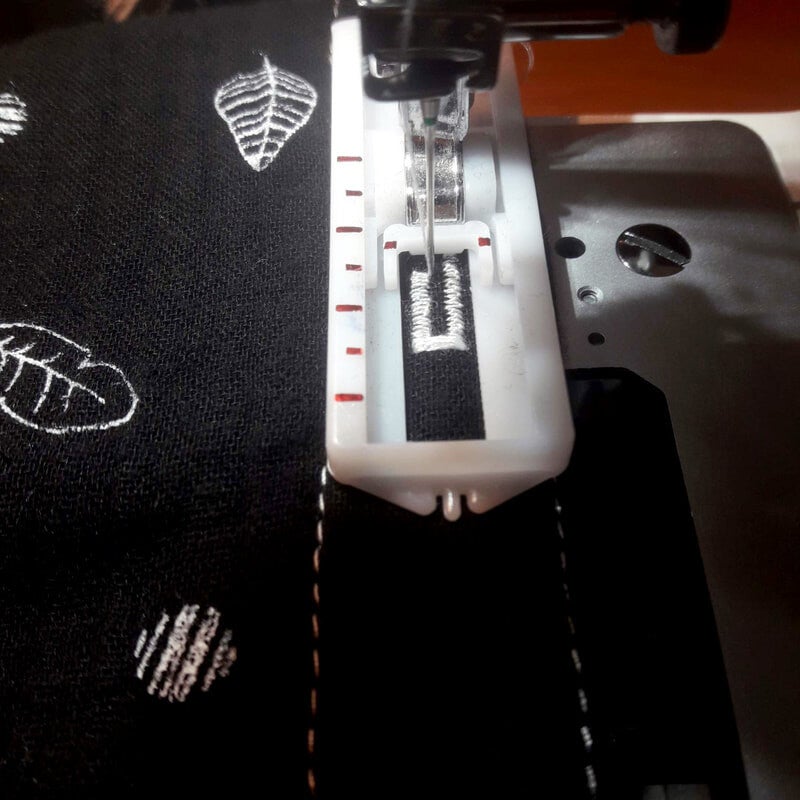
Bound buttonholes.
-
Welt pockets.
-
Pleats and gathers.
-
Collar construction.
-
Decorative stitching.
-
Different types of seams.
-
Complicated folding techniques.
You can also use it to practise buttonholes before making them in the actual garment.
I particularly like this approach when working on a complicated design. It gives you the freedom to experiment and make mistakes.
And making mistakes is part of learning!
Do You Always Need to Make a Complete Test Garment?
No, not necessarily.
Sometimes you only need to test a particular part of a garment.
For example, you can make a sample sleeve to check its shape, or a small section to practise a complicated collar or pocket.
You can also make a partial toile when you only need to check the bodice or waistline.
For a simple project using inexpensive fabric, a complete toile may not be necessary.
But when you are working with expensive materials, unusual shapes or complicated construction, it is usually a very sensible investment.
How to Make a Simple Toile
You don't need expensive equipment to get started.
Follow these basic steps:
-
Cut your test fabric using your sewing pattern.
-
Transfer the important markings, darts and construction lines.
-
Sew the main seams together.
-
Use a long machine stitch or hand-basting to make adjustments easier.
-
Try on the garment and check the fit.
-
Mark any changes directly onto the fabric.
-
Make the necessary adjustments to your sewing pattern.
-
Try the toile again if needed.
Don't worry about finishing every seam or adding decorative details. The purpose is to check the construction and fit, not to create a beautiful finished garment.
When you are happy with the result, transfer the corrections to your original pattern.
Keep your toile if it may be useful for future reference.
A Small Personal Example: Practice Before the Real Thing
Sometimes I use inexpensive printed cotton as practice material.
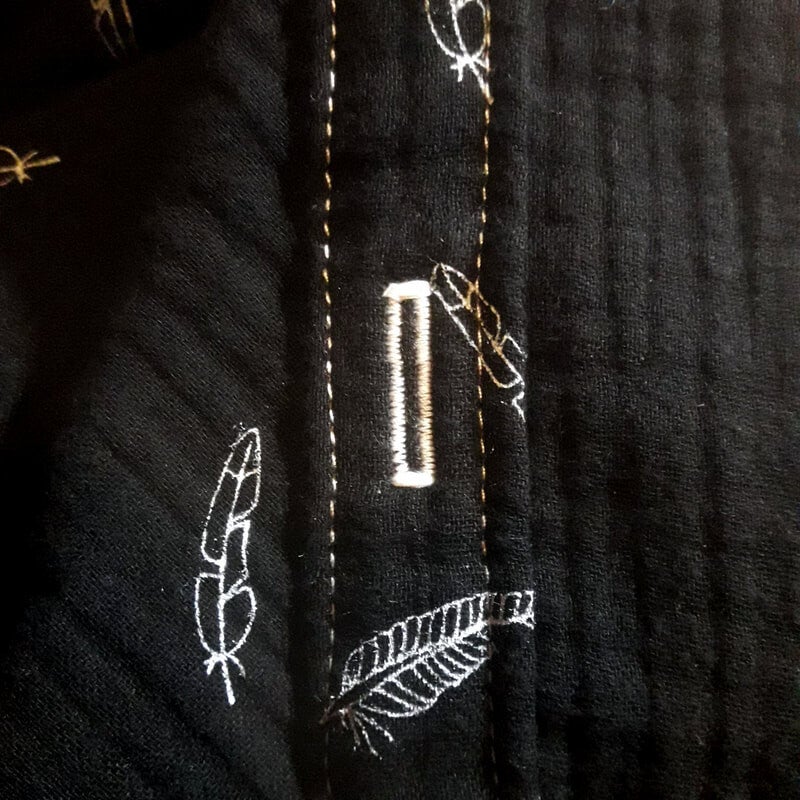
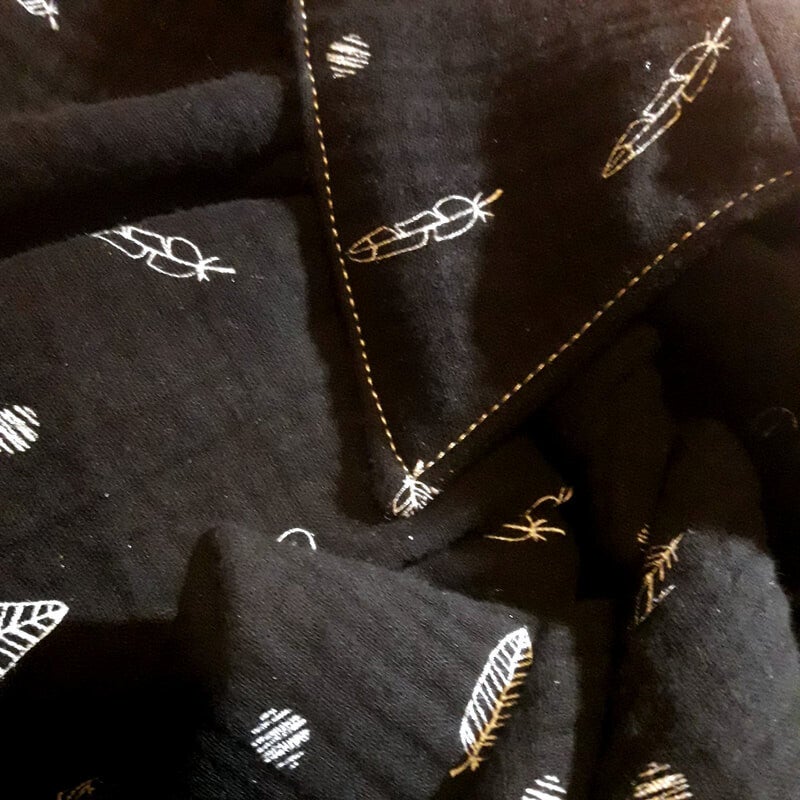
For example, when making a shirt, I may want to test the collar, buttonholes and overall fit before working with the final fabric.
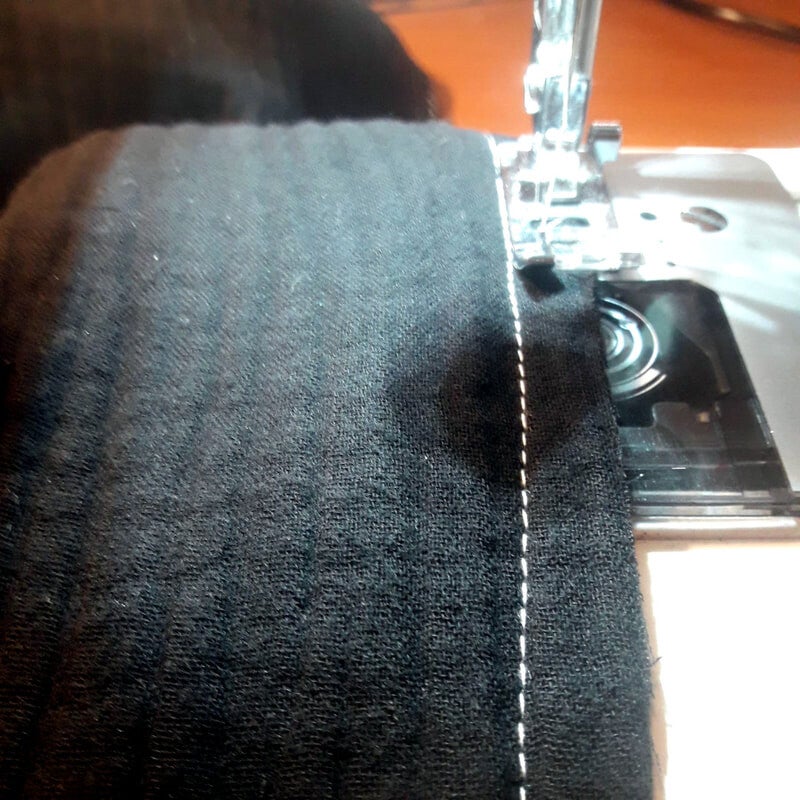
I once made a shirt from black cotton with a white print for this purpose. We had some doubts about the fit, so it was useful to test the pattern first.
The result turned out well!
And there was no need to throw the test garment away. It became a comfortable shirt for wearing at home.
This is another advantage of using attractive but inexpensive cotton for test garments. If the result is good enough, you may end up with something perfectly wearable.
Is Making a Toile a Waste of Time and Fabric?
I would say exactly the opposite.
Making a toile is an investment in the final garment.
It may seem like extra work, especially when you are enthusiastic about starting your beautiful new project.
But think about the alternative.
You spend hours sewing a dress, jacket or costume. You have used expensive fabric, beautiful lining and perhaps special buttons or decorative details.
Then you discover that the sleeves are uncomfortable, the waistline is wrong or the garment simply doesn't fit.
What a disappointment!
With a toile, you have already discovered most of these problems before cutting into your final fabric.
It is also a wonderful way to improve your sewing skills. You learn more about pattern construction, fabric behaviour and fitting.
And that knowledge stays with you.
Final Thoughts: Make It Part of Your Sewing Routine
Making a toile is one of those traditional dressmaking techniques that deserves to be used much more often.
It is not old-fashioned or unnecessary. It is simply a sensible way to work.
Whether you sew for pleasure or professionally, a little preparation can make a big difference.
Buy a few metres of inexpensive cotton, keep some fabric remnants for practice and don't be afraid to experiment.
Your beautiful fashion fabric deserves a little preparation before you cut into it!
Happy sewing!
Frequently Asked Questions
What is a muslin toile in sewing?
A muslin toile is an inexpensive test version of a garment. It is made before the final garment to check the fit, proportions and construction.
What is the best fabric for making a toile?
Inexpensive cotton, calico and cotton sheeting are popular choices. The best fabric depends on the final garment. For stretch garments, use a similar stretch fabric.
Is a toile the same as a mock-up?
Yes, the terms are often used interchangeably. A toile is the traditional European couture term, while mock-up is commonly used in English-speaking sewing communities.
Do I need to make a toile for every sewing project?
No. It is especially useful for complicated patterns, fitted garments, expensive fabrics and designs that require substantial alterations.
Can I use an old bedsheet to make a toile?
Absolutely! Clean cotton bedsheets can be excellent for making test garments, provided the fabric has a suitable weight and structure.
Why do couture designers make test garments?
Because they want to check the fit and construction before cutting expensive fashion fabrics. It helps prevent mistakes and protects valuable materials.
Add comment
Comments