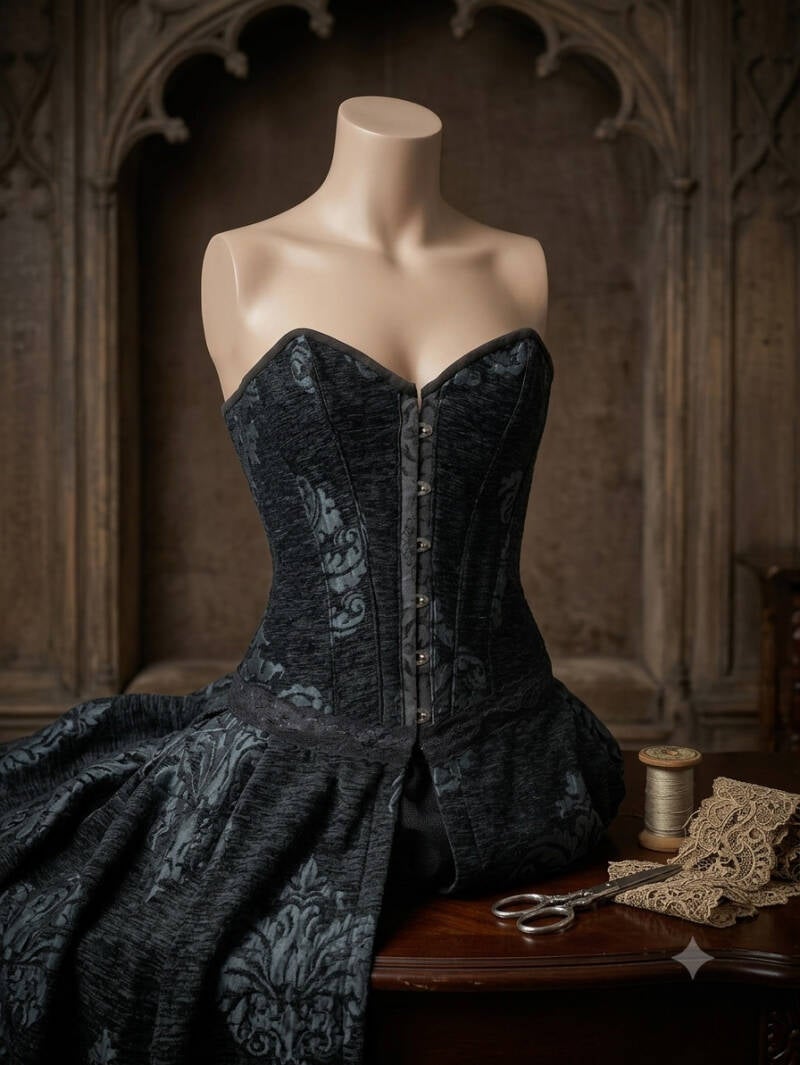
Is Corset Making Difficult? Yes – and That Is Exactly What Makes It So Special
When people first see a corset, they usually notice its elegance. The graceful silhouette, the sculpted shape, and the timeless beauty are what immediately catch the eye. What often remains invisible is the extraordinary amount of craftsmanship hidden beneath the fabric.
If someone asks me, "Is corset making difficult?", my answer is immediate:
Yes. Absolutely.
Not because it cannot be learned, but because a well-made corset is one of the most technically demanding garments in the world of sewing.
Corsets Leave No Room for Error
Many garments are forgiving. A seam that is slightly off or a hem that is not perfectly straight often goes unnoticed.
Corsets are different.
Every seam contributes to the final three-dimensional shape. A difference of only a few millimeters can affect symmetry, comfort, balance, and fit. Since every panel works together to shape the body, precision becomes essential rather than optional.
A corset rewards accuracy—and exposes every mistake.
Pattern Drafting Is an Art in Itself
Following a commercial corset pattern is already a challenge.
Creating one from scratch is another level entirely.
Corset makers must understand anatomy, body proportions, posture, and how flat pieces of fabric transform into a structured three-dimensional garment. Every body is unique. Ribcage shape, waist placement, bust volume, hip curve, torso length, and posture all influence the final pattern.
Most custom corsets require several mock-ups before the final version is achieved.
Developing an eye for proportion is something that comes only through experience.
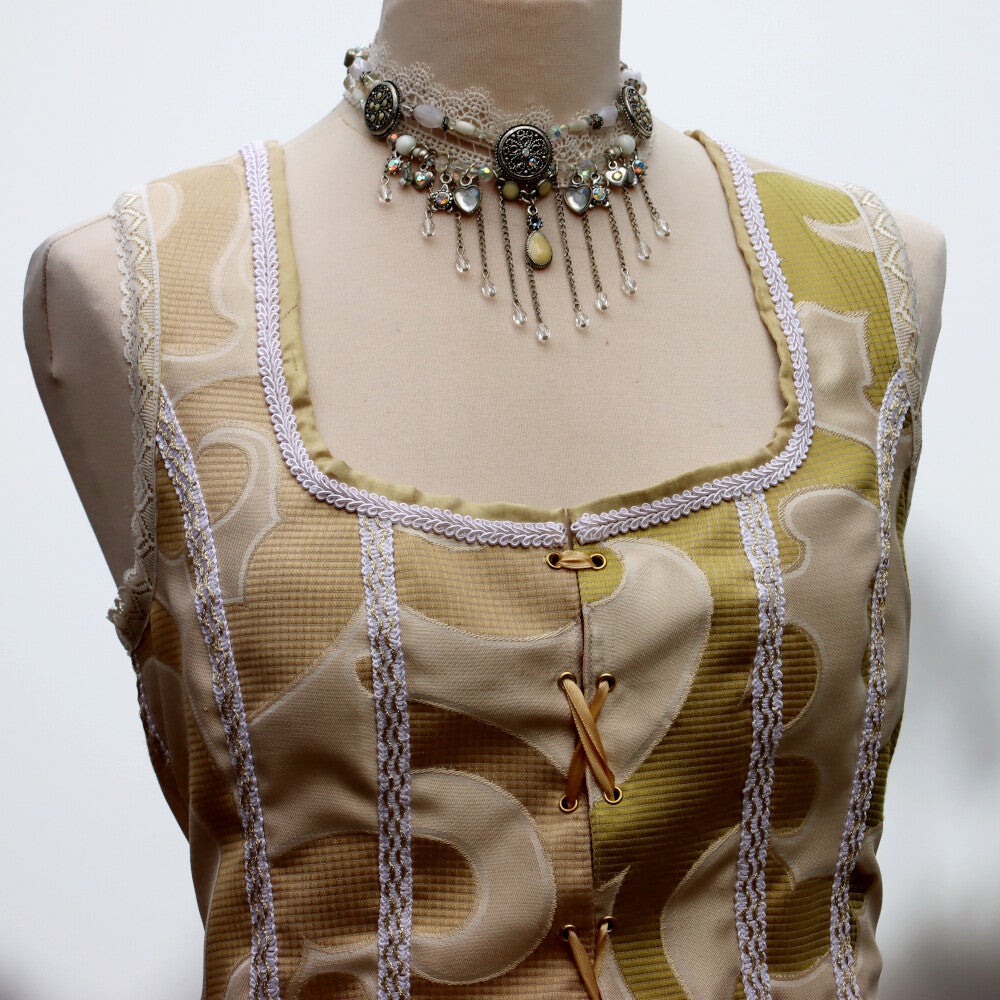
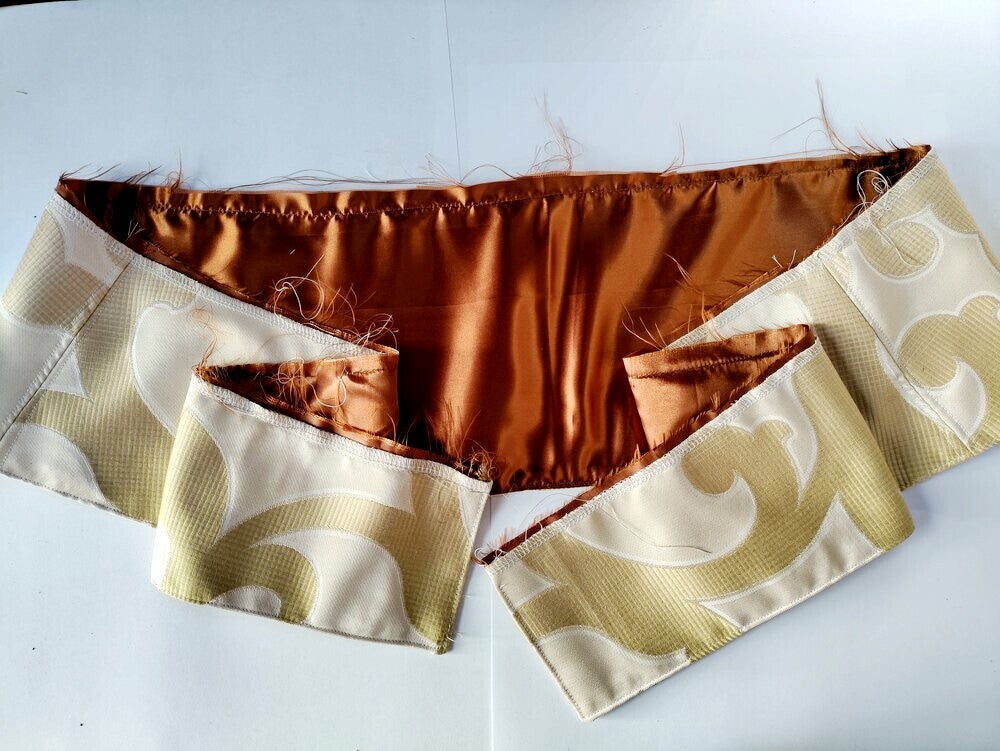
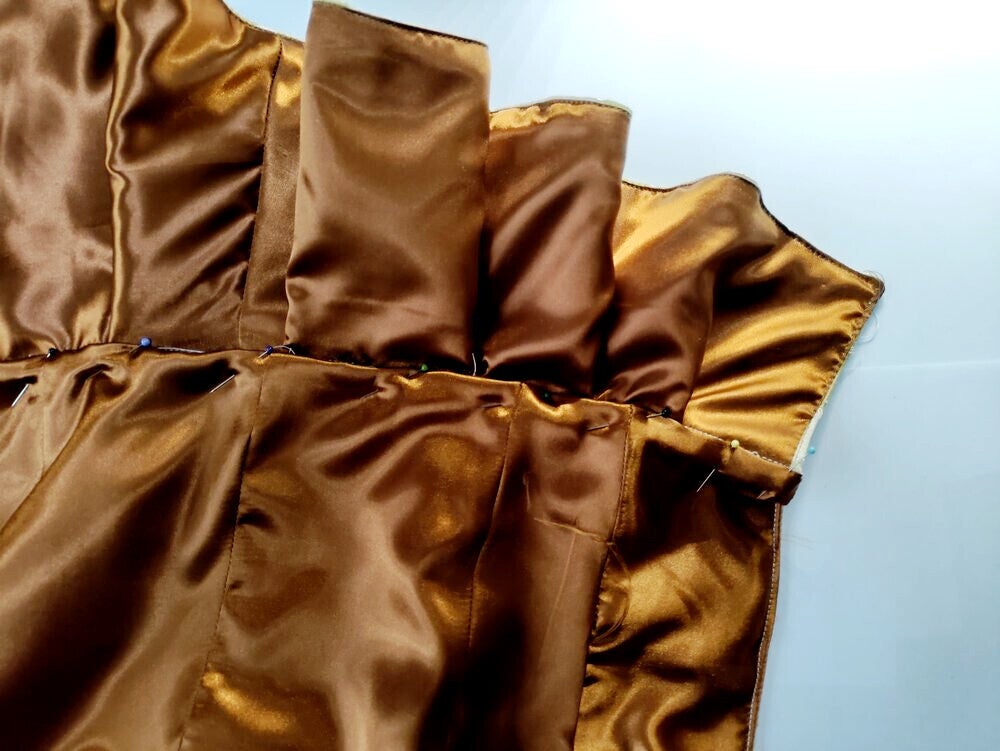
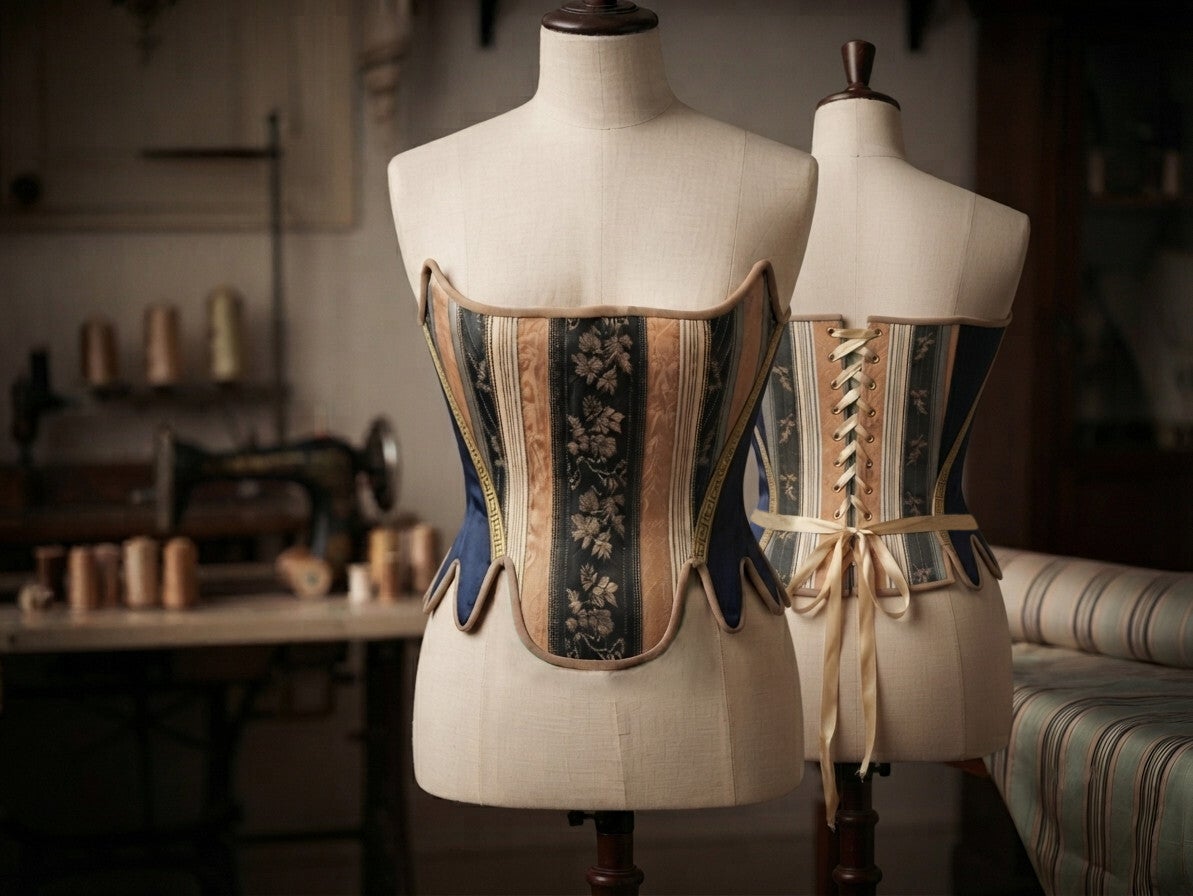
Advanced Sewing Skills Are Essential
A corset is far more than a collection of stitched panels.
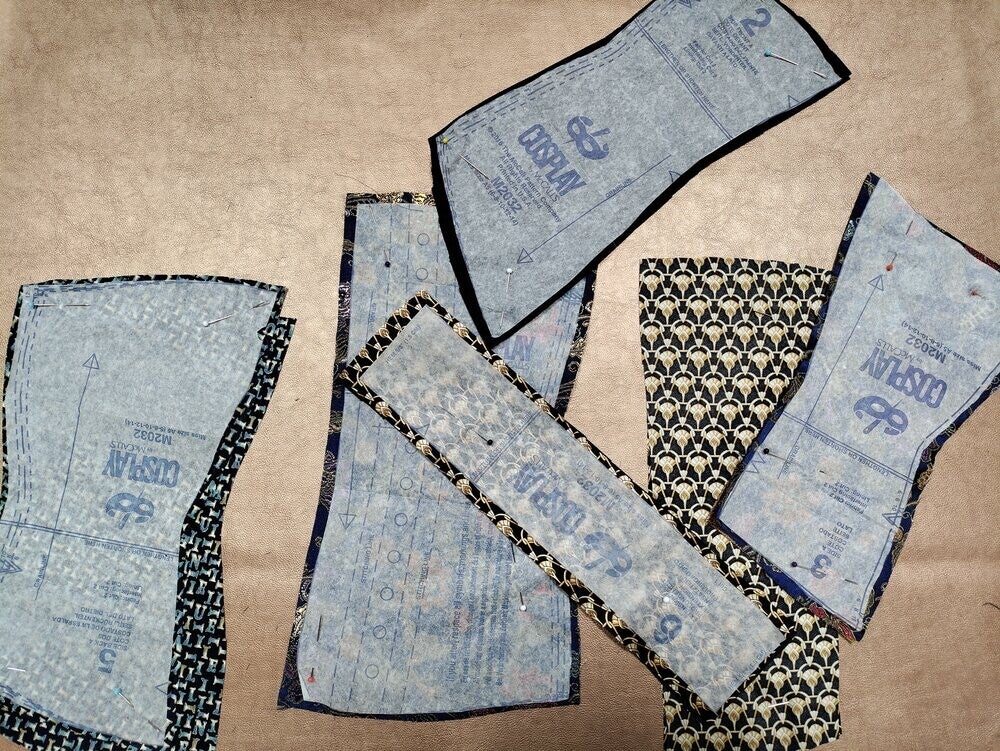
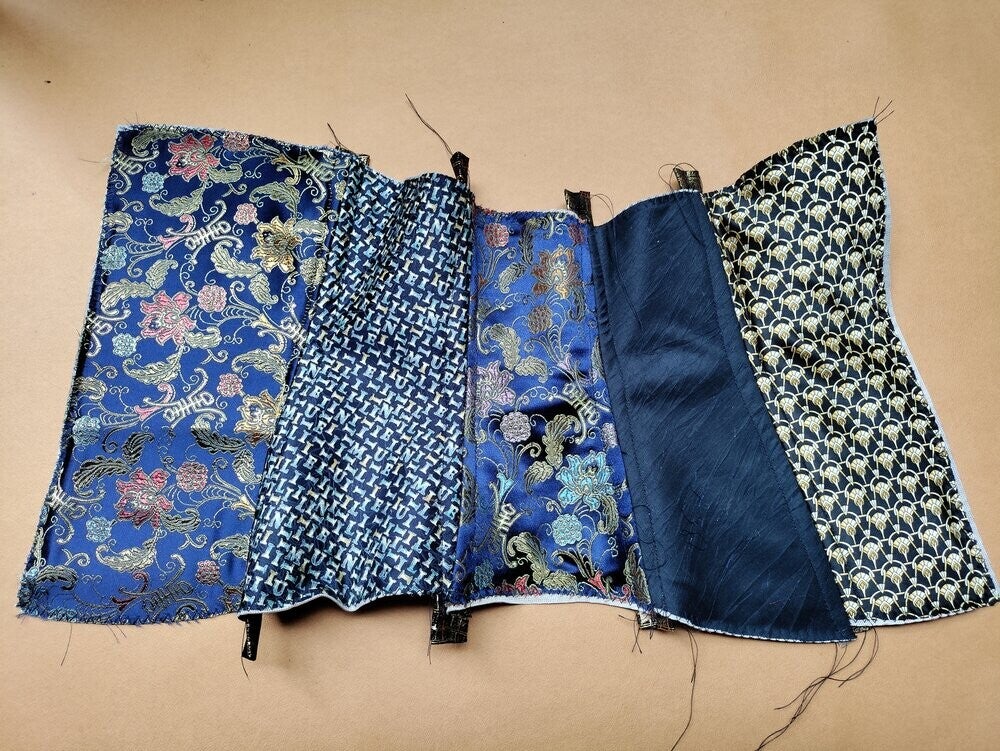
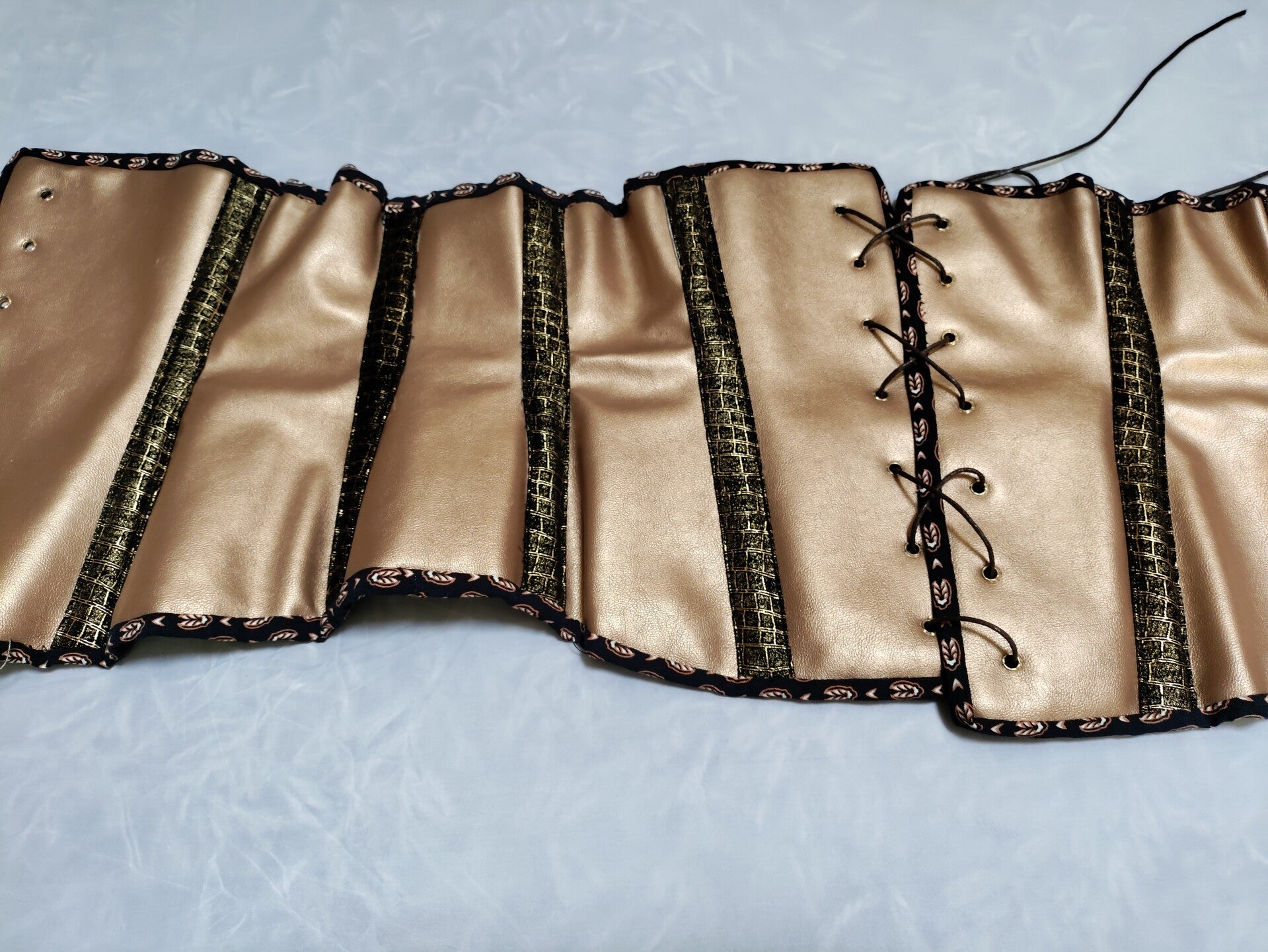
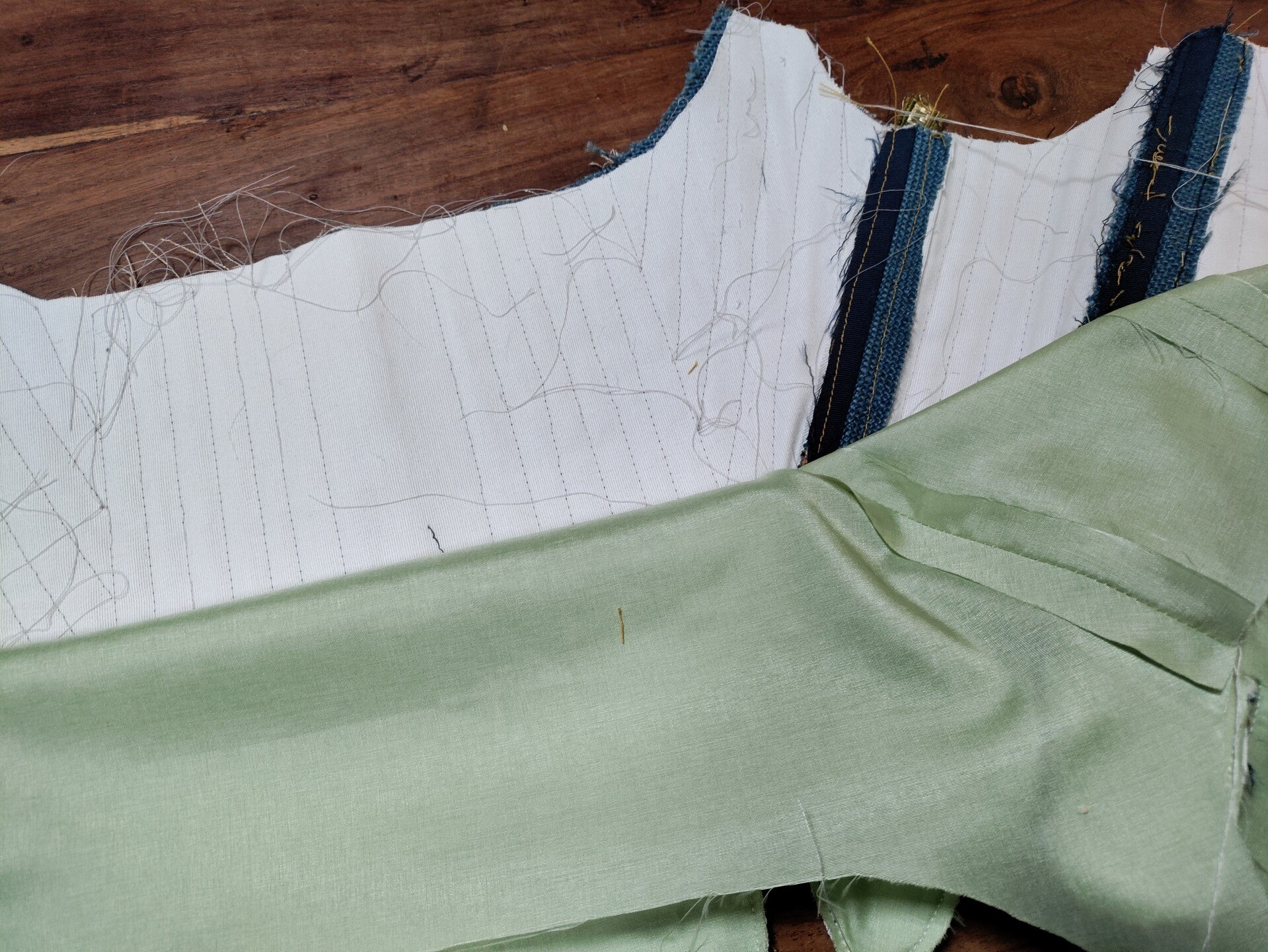
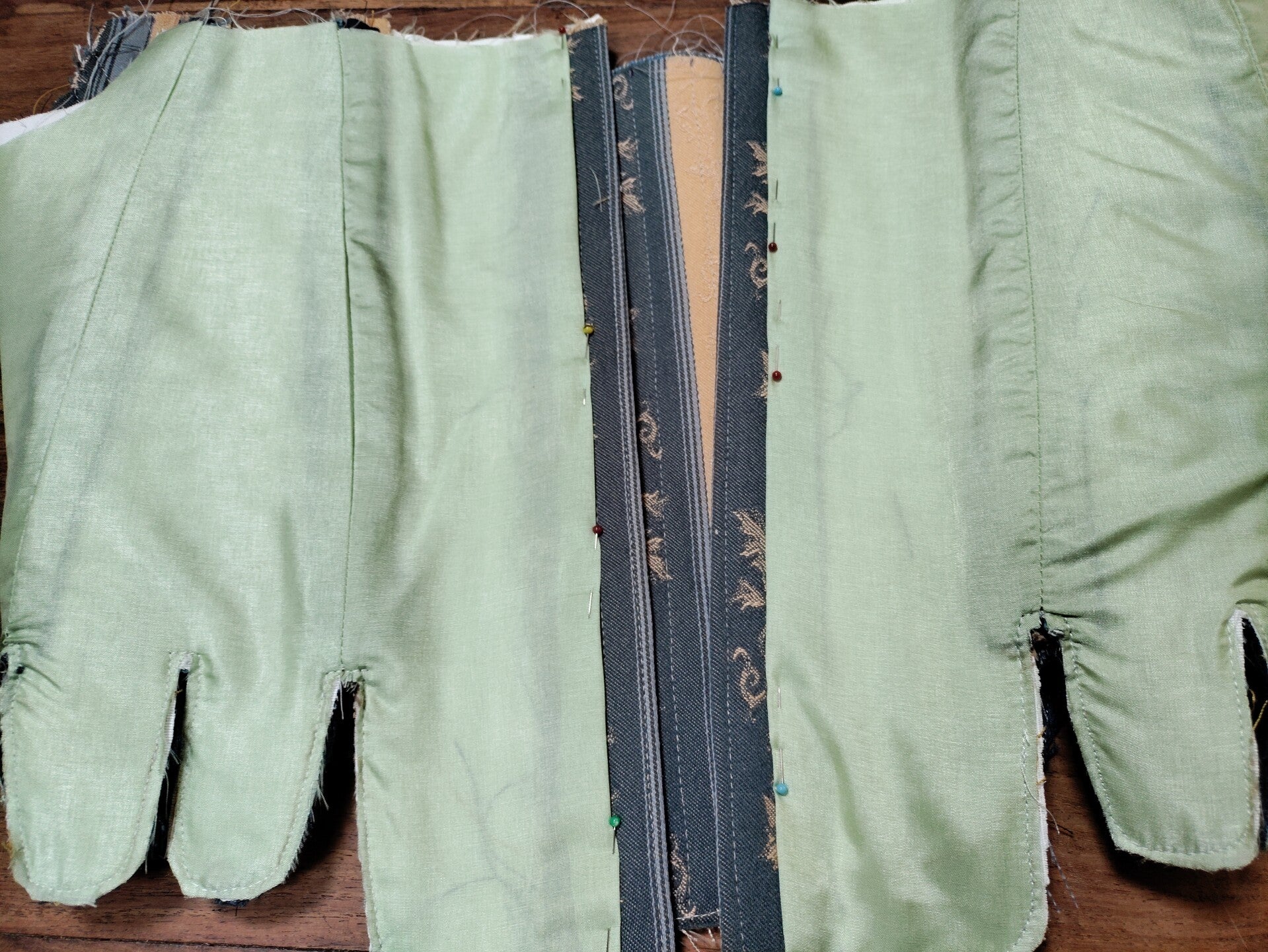
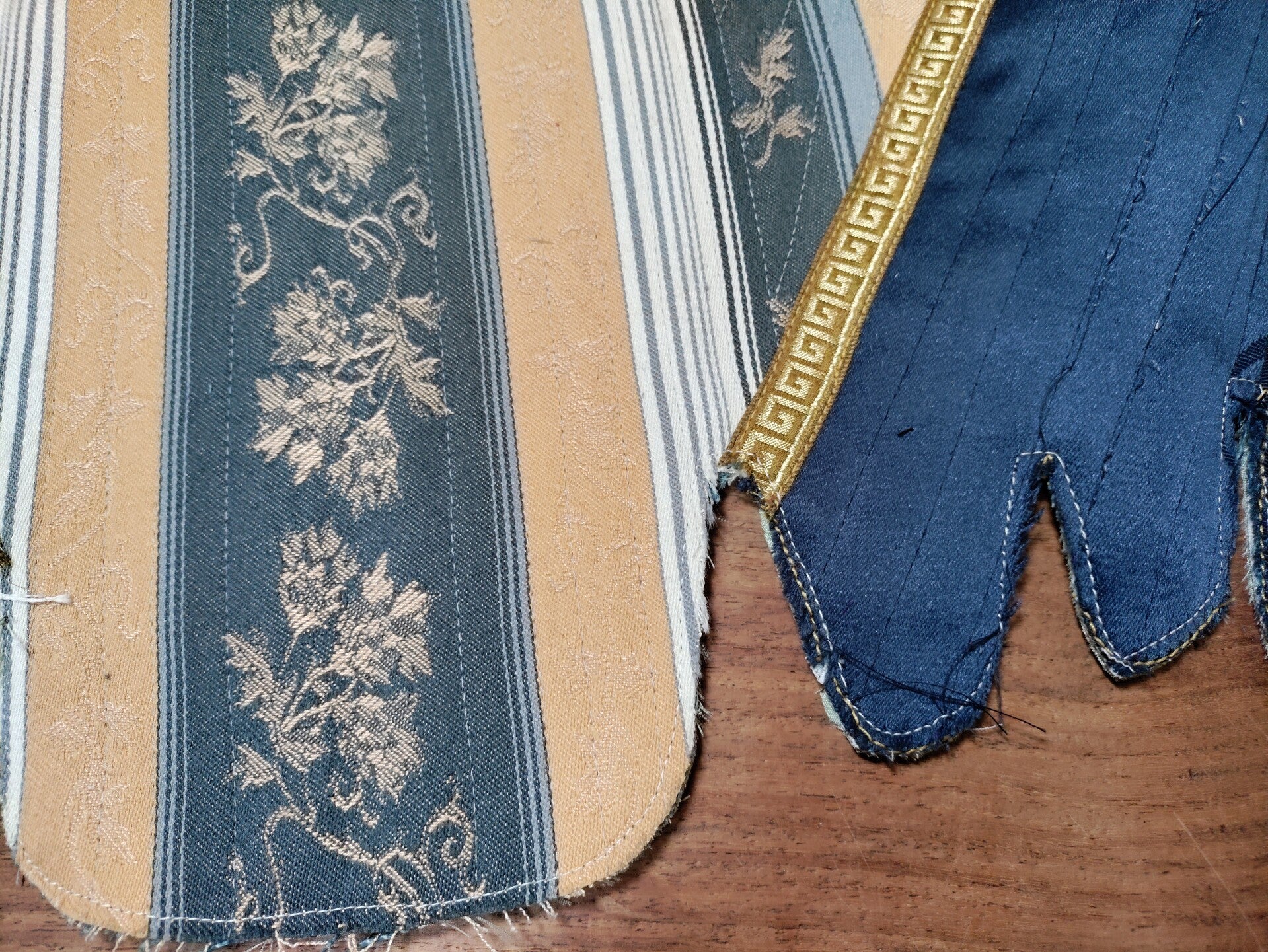
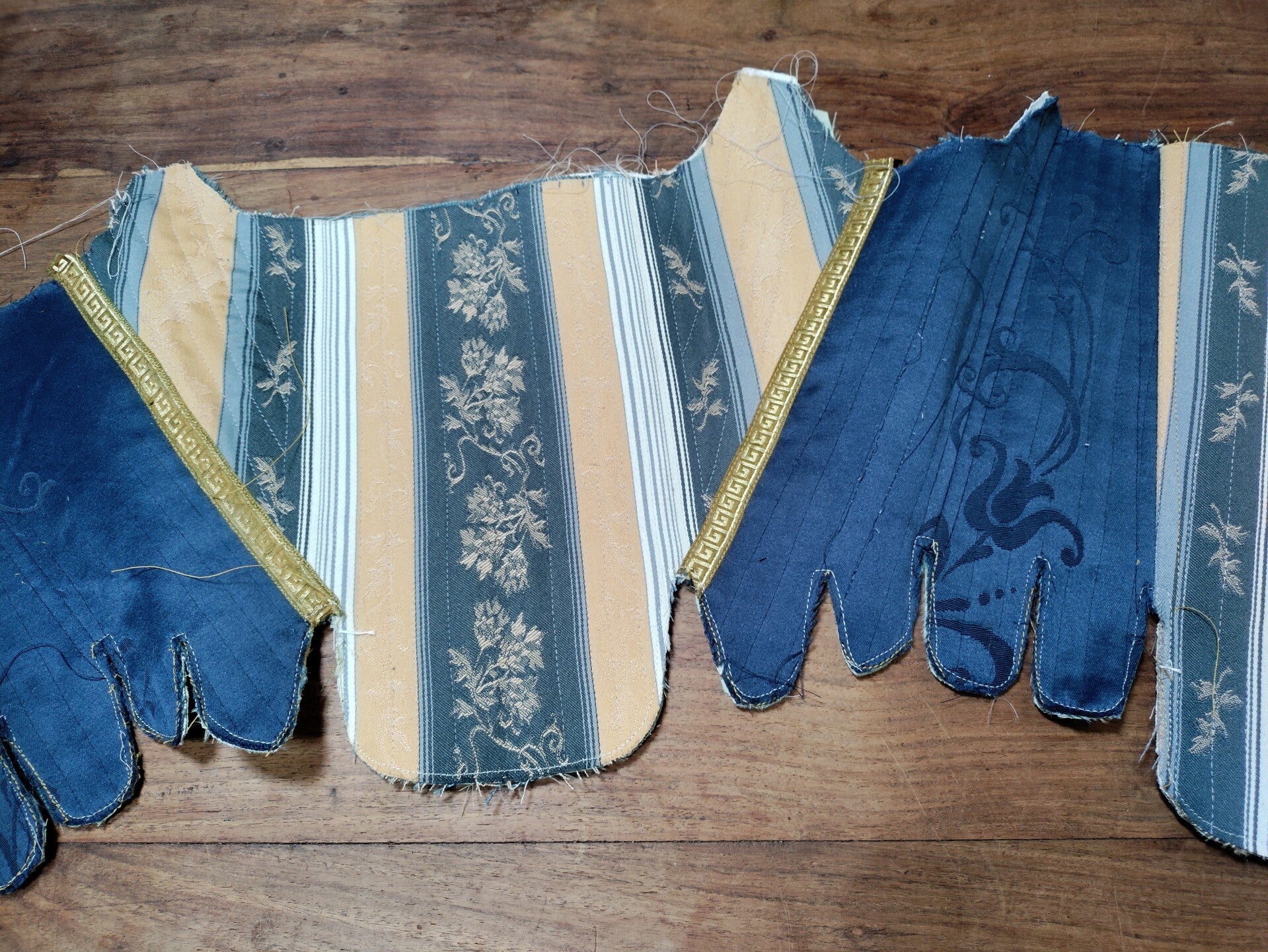
Nearly every construction step requires advanced sewing techniques, including:
- sewing with extreme accuracy;
- matching seams perfectly;
- constructing internal support layers;
- pressing without distortion;
- creating strong boning channels;
- precise topstitching;
- controlling heavy fabrics without shifting.
These techniques cannot simply be improvised. They require practice, repetition, and patience.
Working with Heavy Fabrics and Multiple Layers
A quality corset often consists of several structural layers:
- fashion fabric;
- coutil or another strength layer;
- lining;
- reinforcement pieces;
- boning channels;
- waist tape;
- bias binding.
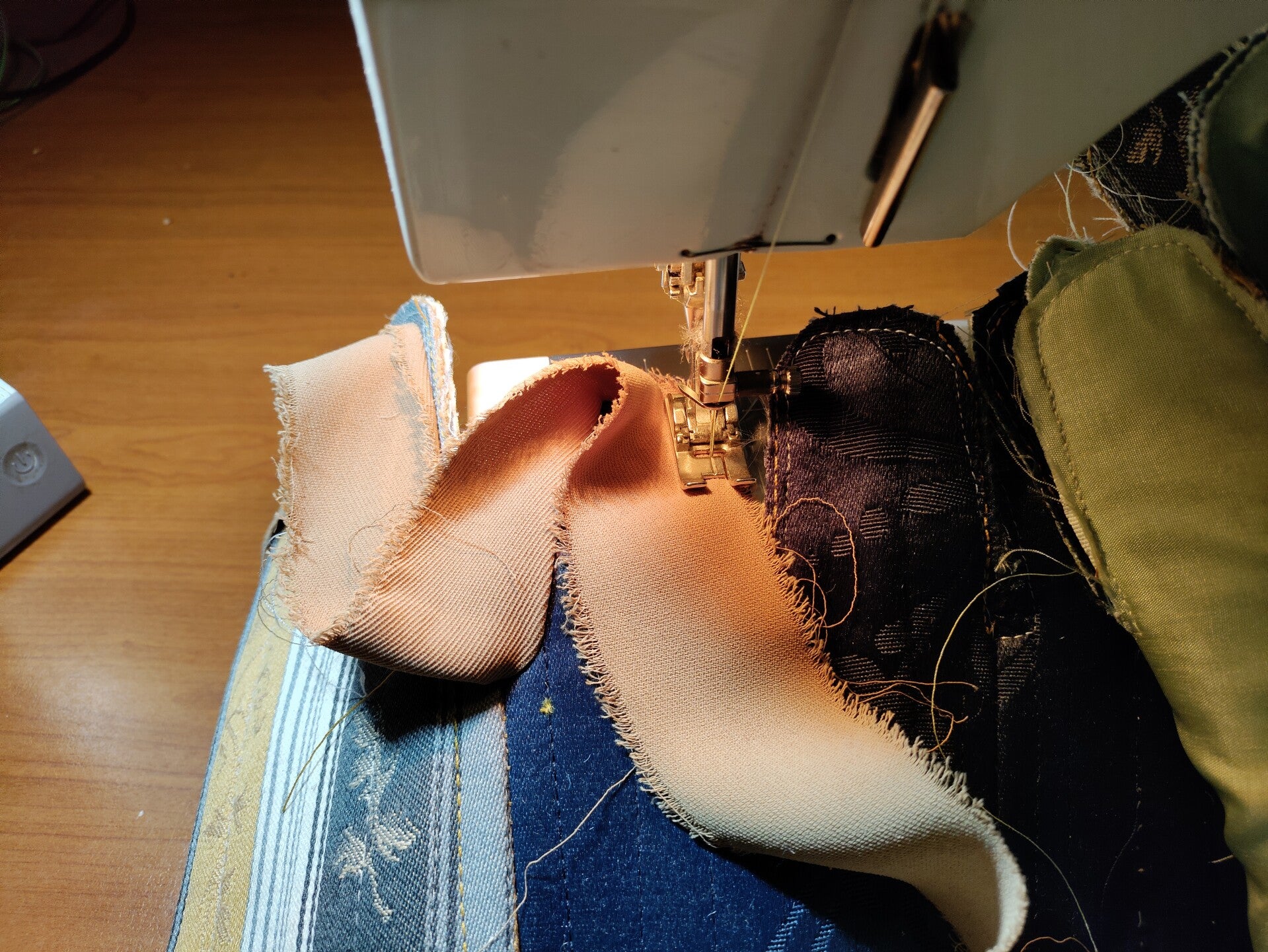
In some areas, the sewing machine must stitch through six, eight, or even more layers.
Keeping those layers perfectly aligned demands skill, the correct machine setup, appropriate needles, strong thread, and careful handling.
This is where experience becomes visible.
Fabric Knowledge Matters
Not every beautiful fabric belongs in a corset.
In fact, many attractive fabrics perform poorly under tension.
A corset maker needs to understand:
- fiber properties;
- weave structure;
- stretch characteristics;
- durability;
- recovery after stress;
- compatibility between different materials.
This is why coutil has remained the traditional foundation fabric for high-quality corsetry. Its tightly woven structure provides exceptional stability while resisting stretching over time.
Choosing the right materials is just as important as sewing them together.
Boning Requires Accuracy
Many people imagine that boning is simply inserted into prepared channels.
The reality is much more demanding.
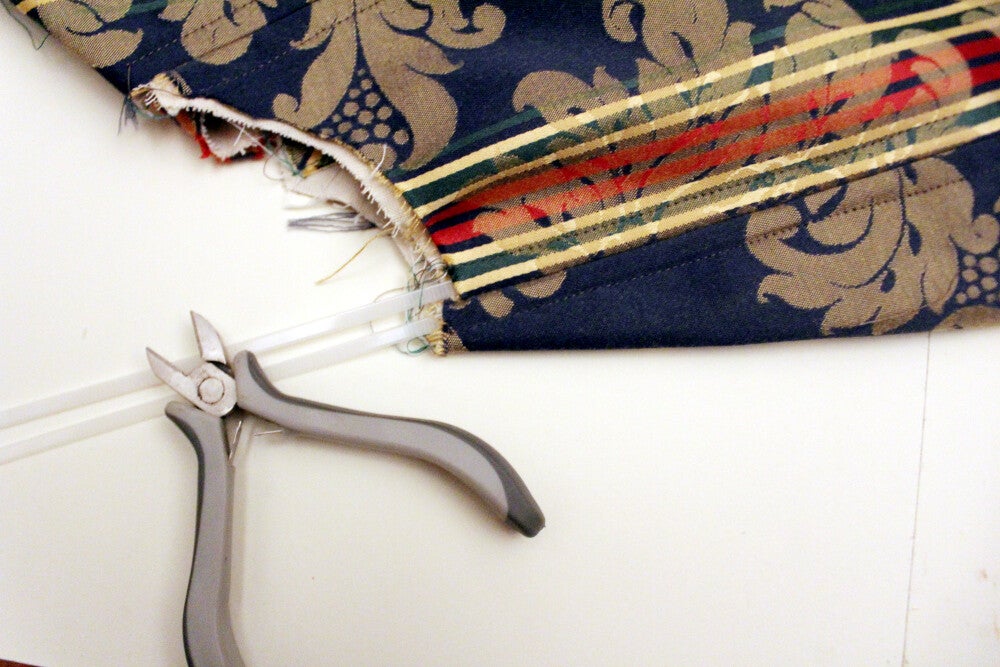
Each steel bone must be:
- cut to the exact length;
- carefully finished;
- fitted with smooth tips or caps;
- placed in the correct channel;
- securely enclosed.
Boning that is too short provides insufficient support.
Boning that is too long can damage both the corset and the wearer.
Understanding when to use spiral steel, flat steel, or synthetic boning is part of the craft.
Applying Bias Binding Is Surprisingly Challenging
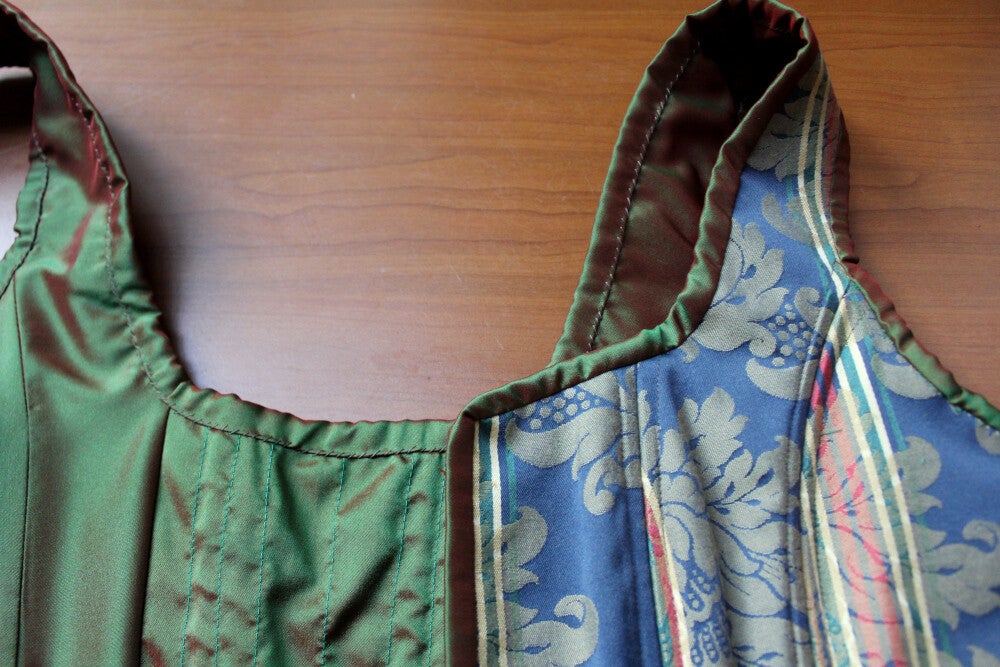
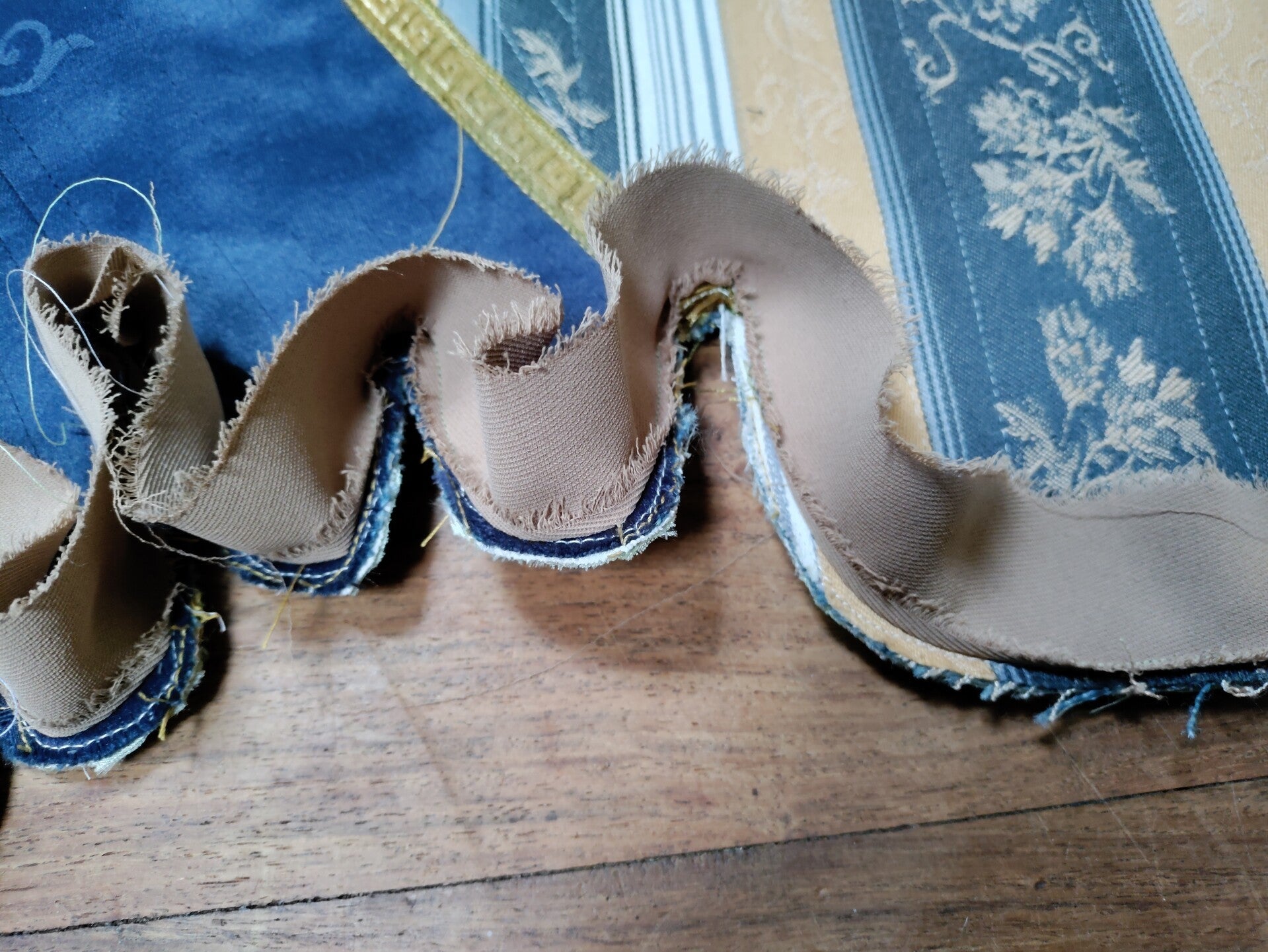
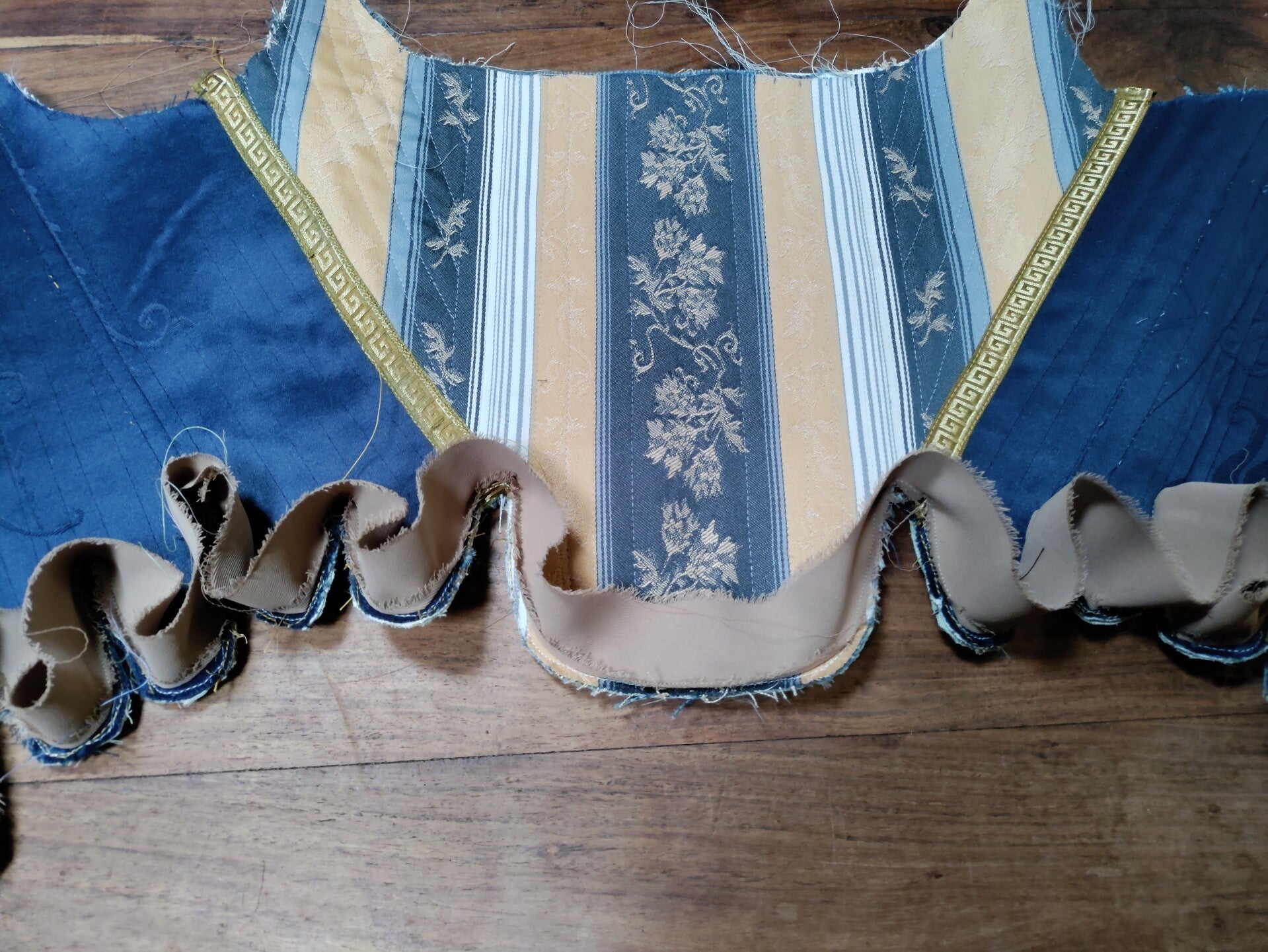
The top and bottom edges of a corset often contain numerous fabric layers while following complex curves.
Bias binding must wrap these edges smoothly without wrinkles, gaps, or distortion.
A beautifully finished edge reflects the maker's attention to detail and level of experience.
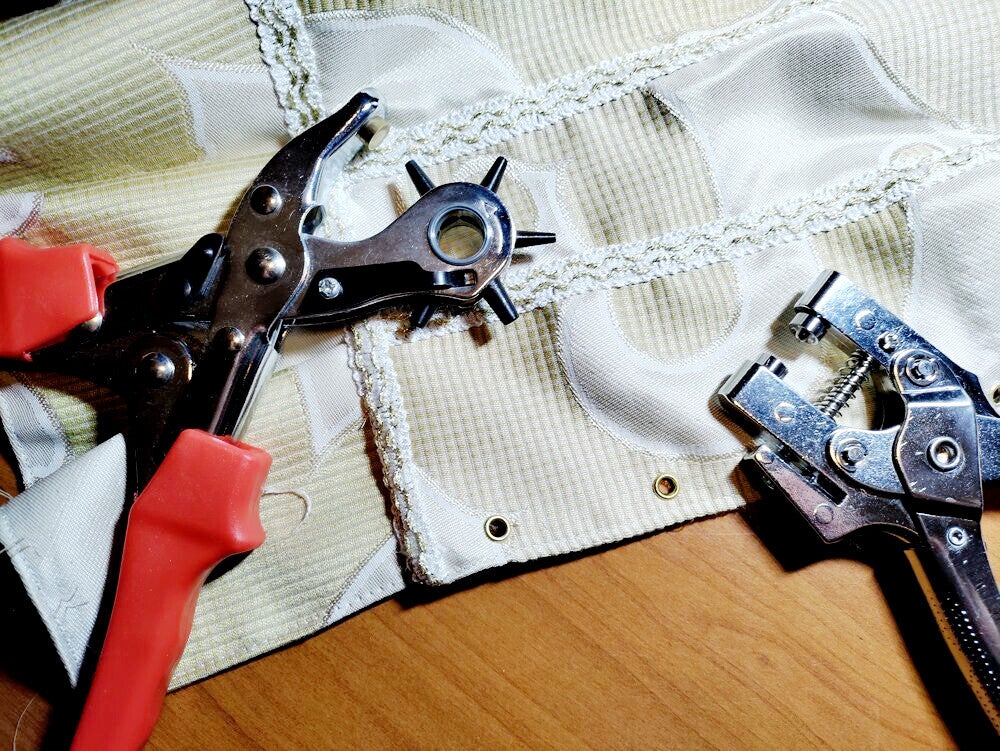
Setting Grommets Requires Precision
The lacing area experiences enormous stress.
Every hole must be measured carefully and spaced consistently.
Metal grommets must be installed securely so they can withstand repeated tightening over many years.
Traditional historical corsets often use hand-worked eyelets instead, demanding even greater skill and many additional hours of work.
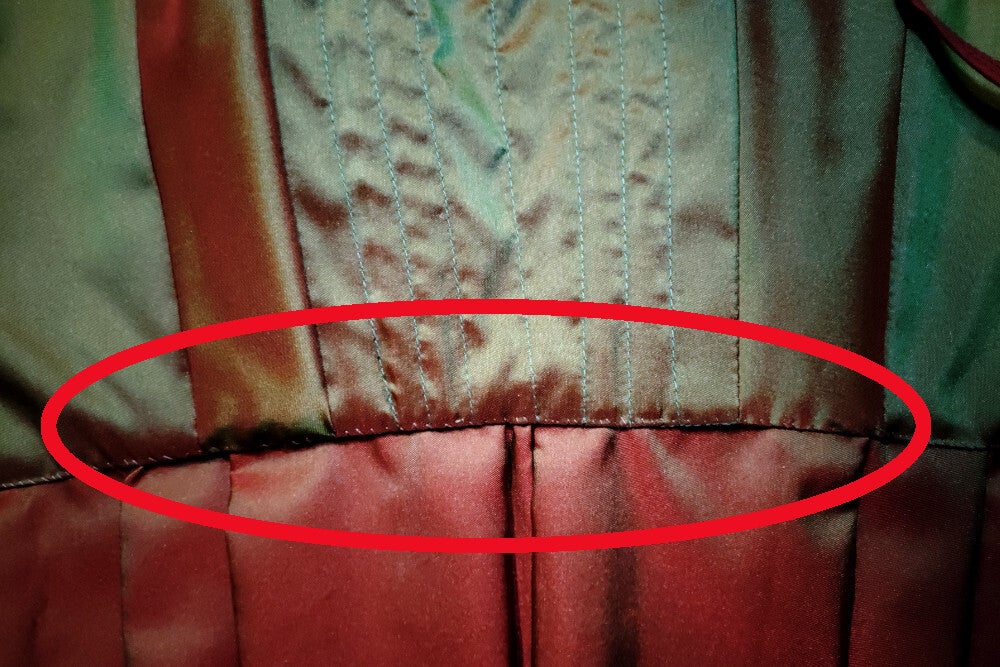
Waist Tape: The Hidden Structural Hero
Inside many professionally made corsets lies an internal waist tape.
Although invisible to the wearer, it carries much of the tension generated during tight lacing.
Positioning this tape correctly is critical. Even a slight misplacement can affect comfort, durability, and overall fit.
It is one of those hidden details that separates professional corsetry from ordinary garment construction.
Fit Is the Greatest Challenge
Strength alone is not enough.
A corset must also feel balanced and comfortable.
Pressure should be distributed evenly across the body without creating painful pressure points. Supporting the figure while allowing natural movement requires extensive fitting experience.
Professional corset makers often spend as much time refining the fit as they do sewing the final garment.
A Corset Must Last
Unlike many modern garments, a well-made corset is expected to endure years of regular use.
Every time it is laced, significant mechanical forces act upon the seams, boning, fabric, and hardware.
Every construction detail must therefore work together flawlessly:
- strong seams;
- durable reinforcement;
- carefully selected fabrics;
- accurately placed boning;
- reliable grommets;
- secure finishing.
A corset is not simply sewn—it is engineered.
Patience Is the Most Valuable Tool
Perhaps the greatest lesson in corset making is patience.
Experienced makers willingly undo hours of work if one seam is not perfect, because they understand that every construction decision influences the entire garment.
Corsetry teaches precision, discipline, perseverance, and respect for craftsmanship.
A Living Traditional Craft
One of the most fascinating aspects of corsetry is the way centuries-old knowledge continues to shape modern work.
Many construction techniques developed during the nineteenth century remain the gold standard today. While modern sewing machines and materials have improved efficiency, they have not replaced the maker's eye, judgment, or experience.
True corset making remains a dialogue between tradition and innovation.
Far More Than Sewing
A skilled corset maker is simultaneously:
- a pattern designer;
- a structural engineer in textiles;
- a fabric specialist;
- a precision machinist;
- a fitting expert;
- a problem solver;
- a craftsperson dedicated to detail.
Each discipline contributes to the finished garment.
Why That Makes Corsetry So Rewarding
Perhaps that is why corset making continues to inspire so many makers around the world.
It is a craft that values patience in an age of speed. It celebrates details that many people never notice, and it preserves techniques passed down through generations of dedicated artisans.
Every perfectly stitched seam, every carefully placed steel bone, every neatly finished edge, and every precisely installed eyelet tells the same story: this is not merely clothing. It is craftsmanship made visible.
A fine corset is never created by accident. It is built slowly, one stitch at a time, through hundreds of deliberate decisions guided by knowledge, experience, and passion.
So, is corset making difficult?
Without hesitation, yes.
Not because it should discourage anyone from learning, but because its complexity is exactly what makes it such a deeply rewarding craft. Every new project teaches something new. Every fabric behaves differently. Every body presents a unique challenge. And that lifelong journey of learning is perhaps the greatest beauty of corsetry itself.
-
 Made to Measure Medieval Corset, XS - XXXL €355.00 FREE shipping
 -
 Custome Made Medieval Corset, XS-XXXL €355.00 FREE shipping
 -
 Made to Measure Baroque Corset, XS-XXXL €495.00 FREE shipping
 -
 Artisan Historic Corset Couture €345.00 FREE shipping
 -
 Elizabethan Edwardian Corset Exclusive with Big Sleeves Blouse €525.00 FREE shipping
 -
 Gothic Baroque Corset Dress €395.00 FREE shipping
 -
 Halloween Horror Gothic Corset €175.00
 -
 Victorian Corset Hip Supports €295.00 FREE shipping
 -
 Edwardian Floral Corset Victorian Silk €515.00 FREE shipping
 -
 Custom Made Tudor Stay Set Slimming Corset XS - XXXL €595.00 FREE shipping
 -
 Floral Corset Victorian Silk €525.00 FREE shipping
 -
 Luxury Baroque Brocade Corset €195.00
 -
 Marie Antoinette Rococo Corset €315.00 FREE shipping
 -
 Artisan Medieval Luxury Corset €235.00
 -
 Reversible Silk Corset – Gender Inclusive €415.00 FREE shipping
Add comment
Comments