The Joy of Sewing on a Vintage Sewing Machine
Autumn is coming. The days are getting shorter, the evenings are getting darker, and there is something wonderful about having a quiet hobby for those long evenings at home.
For me, one of the most interesting hobbies is something that has been sitting in sewing rooms for generations: the old-fashioned sewing machine.
Not the modern machine with a touchscreen, twenty buttons and a computer inside.
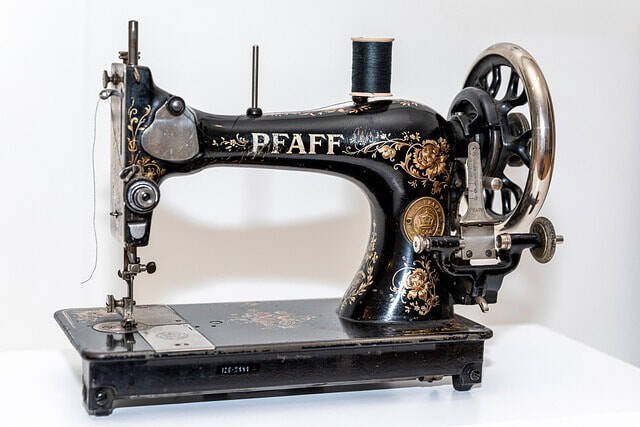
I mean the heavy cast-iron sewing machines that work without electricity.
And yes, I have two of them.
Two old sewing machines in my atelier
In my atelier, I have two vintage sewing machines. They are heavy, solid and wonderfully mechanical.
They still work very well.
Of course, sewing on one of these machines is a completely different experience from sewing on my modern Bernina. My Bernina is fast, precise and wonderfully convenient. I can select stitches on a screen and let the machine do many things for me.
The vintage machines are different.
They have their own rhythm.
You turn the handwheel or use the pedal, and you are completely connected to the machine. There is no electric motor helping you. You control the speed yourself.
At first, it takes a little practice.
But once you find the rhythm, it can be surprisingly relaxing.
A wonderful autumn hobby
Perhaps this is why I particularly like the idea of vintage sewing machines in autumn.
When the evenings become longer and darker, you can sit down with an old machine and spend some time learning how it works.
You can often buy one very cheaply. In Dutch thrift shops, or kringloopwinkels, these machines can sometimes be found for around €25 - 100 euro, although prices vary and beautiful or rare machines can cost more.
They are often incredibly heavy. That is part of their charm!
Many were made with a cast-iron frame and built to last for decades. Some are now more than a hundred years old and are still capable of sewing.
That is quite something.
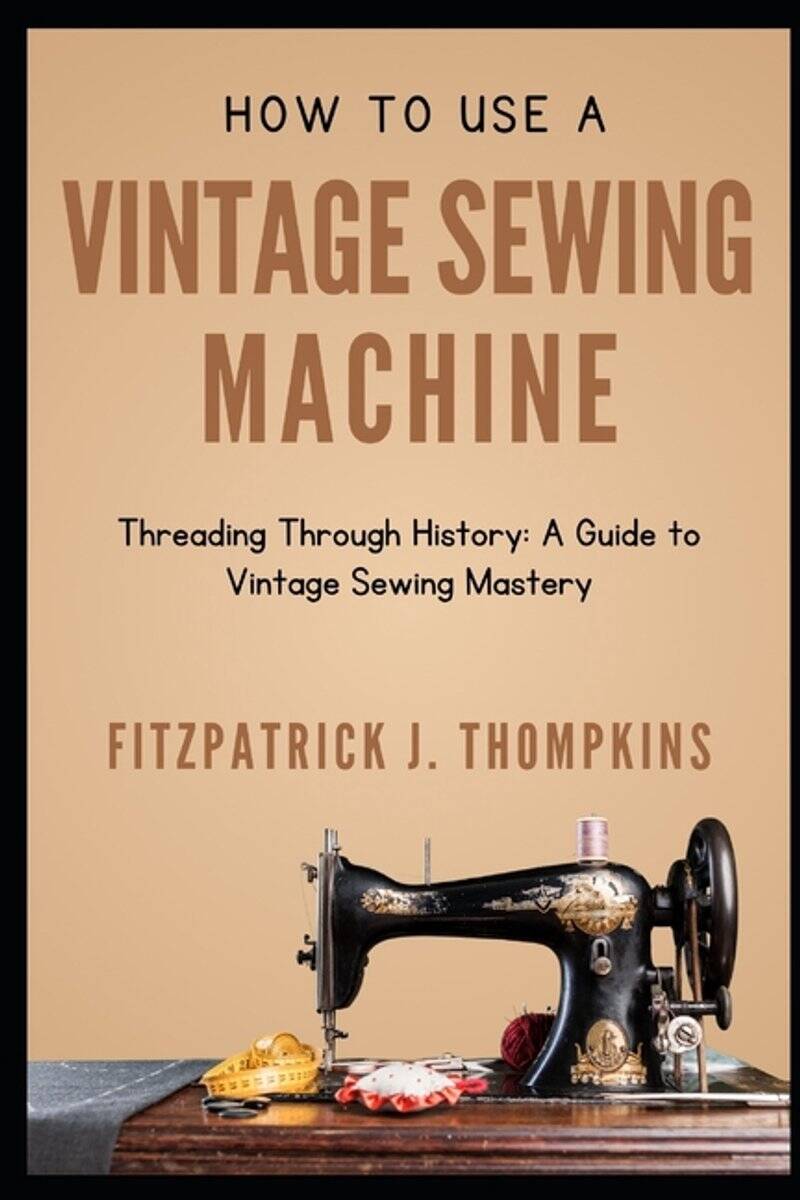
And there are books and online resources that can help you clean, oil, adjust and understand these old machines. For me, that is part of the hobby too.
You are not simply buying a sewing machine.
You are learning about a piece of mechanical history.
No electricity required
One of the most fascinating things about these machines is also the simplest:
They do not need electricity.
A treadle machine is operated with your feet. Other vintage machines can be turned by hand.
That means you can sew without plugging anything in.
I do not see this only as a practical advantage. I also like the feeling of independence that comes with it.
You can mend a garment, make something useful or simply practise your sewing skills with a machine that does not depend on a modern electrical system.
There is something very satisfying about that.
It is also a lovely way to understand how people sewed before modern sewing machines became part of everyday life.
And surprisingly, men love them too!
There is another thing I have noticed.
Vintage sewing machines are not only interesting to women who sew.
Men often love them too.
Perhaps it is the mechanical side of these machines. The gears, the wheel, the metal construction and the way everything works together are fascinating.
They look almost like small pieces of industrial history.
So if you have a husband, partner, son, brother or friend who says, “Sewing is not really my thing,” perhaps show him an old cast-iron machine.
He may suddenly become very interested in how the mechanism works!
They can be surprisingly strong
Another reason I like vintage sewing machines is their strength.
Of course, you should always check the condition of a machine before trying to sew heavy materials. Not every old machine is suitable for every type of fabric.
But some vintage machines are remarkably strong.
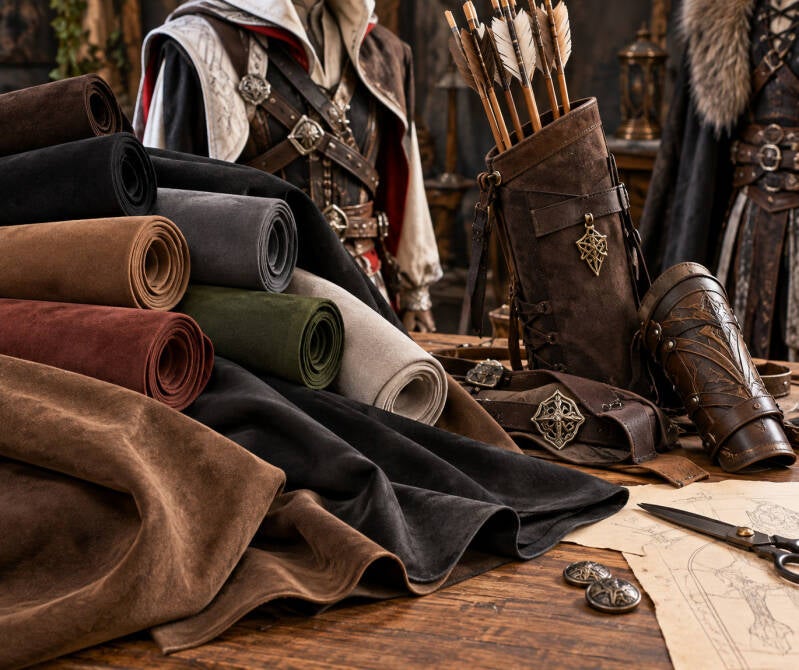
Depending on the model and condition, they can handle heavier fabrics and even leather. This makes some of them interesting for things such as bags, historical clothing, LARP equipment and cosplay.
And that is where vintage sewing becomes particularly fun for me.
I make historical costumes and cosplay in my atelier, and I am always interested in tools that can do something a little different.
Imagine making a tough leather detail, a sturdy bag or part of a cosplay costume on a machine that was already old before many of us were born.
There is something rather charming about that.
Vintage does not mean outdated
I certainly do not want to suggest that everyone should replace their modern sewing machine with a hundred-year-old one.
I would never give up my Bernina!
For professional sewing, a modern machine gives me speed, precision and many useful possibilities. It is an important tool in my atelier.
But the old machines offer something different.
They teach you to slow down.
They make you pay attention.
You feel the fabric moving underneath the presser foot. You hear the mechanism working. You control the rhythm with your hands or feet.
There is no screen to distract you.
Just you, the fabric and the machine.
A small piece of sewing history
Perhaps that is what I like most about these machines.
They are not simply old objects.
They are part of sewing history.
Generations of people used machines like these to make dresses, shirts, household textiles, children's clothing and working clothes. They repaired things instead of throwing them away. They made things because they needed them.
Today we can buy almost anything ready-made.
That makes it even more interesting to return sometimes to the old way of doing things.
Take an old machine home.
Clean it carefully.
Oil it.
Learn how the mechanism works.
Find the right needle and thread.
And then make something.
It does not have to be a grand project. A simple bag, a repair, a piece of historical clothing or even a small cosplay detail is enough.
The pleasure is in discovering what this old machine can still do.
My two old friends
My two vintage machines are still part of my atelier.
They will never replace my modern sewing machines, but I would not want to lose them either.
They remind me that sewing does not have to be complicated.
Sometimes the most satisfying sewing is simply a piece of fabric, a good needle, strong thread and a machine that has been doing its job for a very, very long time.
So, as the autumn evenings arrive, perhaps have a look around your local thrift shop.
You might find a heavy, dusty and slightly mysterious old sewing machine waiting for a new home.
And for €25 or so, it may turn out to be the beginning of a surprisingly enjoyable new hobby.
Old machines may be slow, heavy and a little stubborn — but they still know how to sew. And sometimes, that is all you need.
Add comment
Comments